Meta has quietly shipped the technology needed for facial recognition glasses
The technology needed to recognize people through Meta’s smart glasses is already sitting on millions of phones, according to new research by an independent security engineer known as Buchodi.
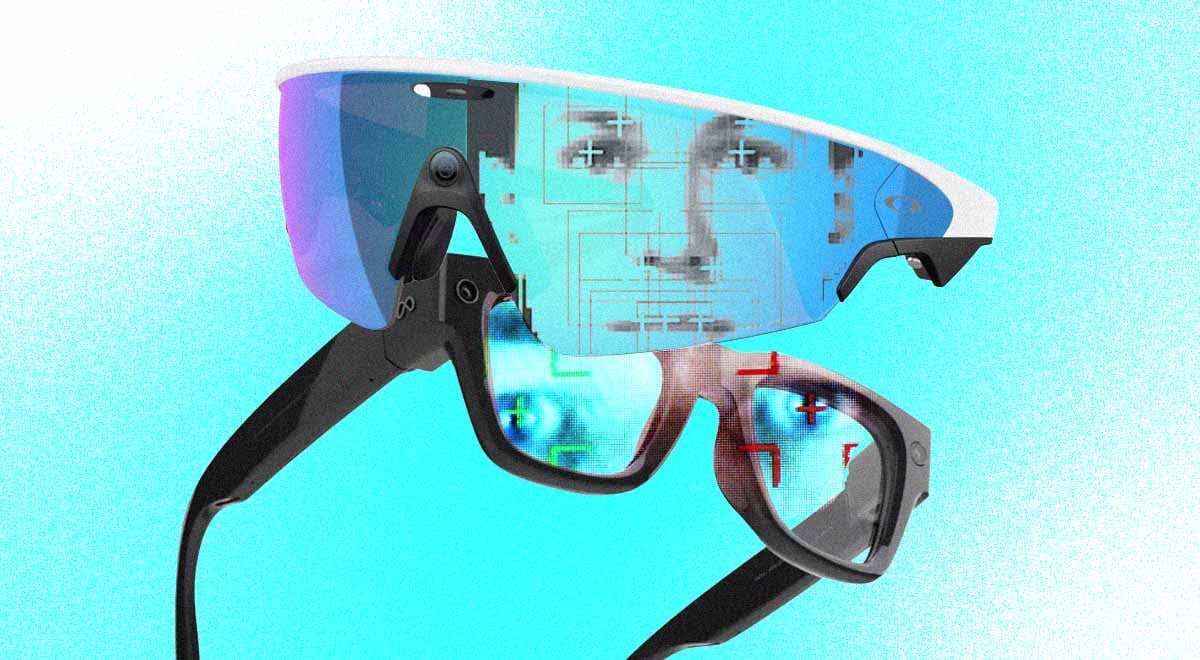
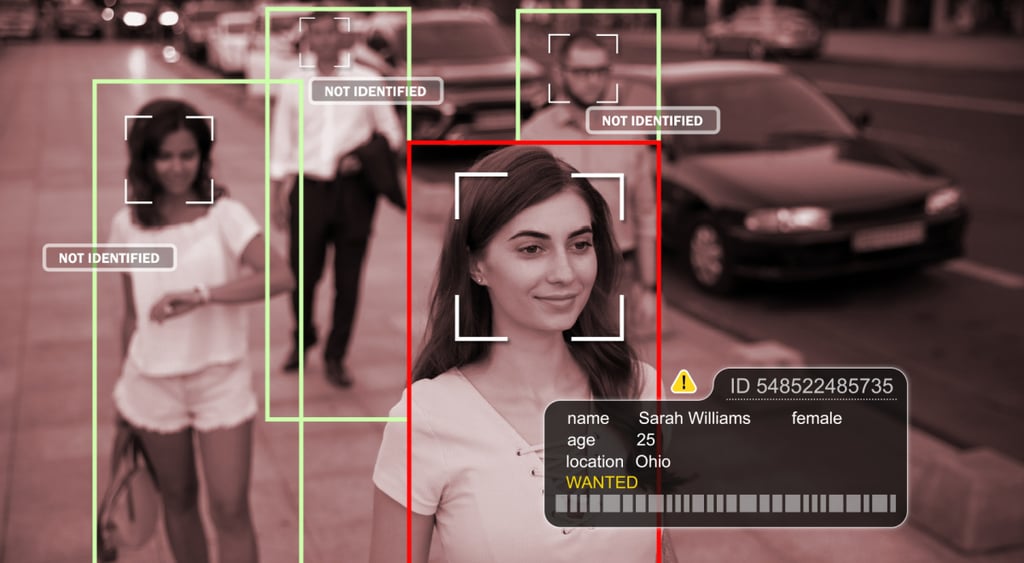
Image by Cybernews

 Follow us
The technology needed to recognize people through Meta’s smart glasses is already sitting on millions of phones, according to new research by an independent security engineer known as Buchodi.
- Meta has built a complete facial recognition system into its smart-glasses app. A security researcher found three AI models, biometric storage, and notification tools already downloaded to users’ phones.
- The feature is not currently active for regular users. The researcher was able to trigger the pipeline manually and test it successfully, but the user-facing interface doesn’t appear on standard accounts.
- This is a shift after Meta abandoned facial recognition in 2021. The company previously deleted over a billion faceprints and paid large biometric privacy settlements. With Meta dominating the AI-glasses market, the return of this capability poses privacy and regulatory concerns.
Key Takeaways by nexos.ai, reviewed by Cybernews staff.
The engineer confirmed that they found a complete face-recognition pipeline embedded in the company’s companion app, Stella, but that it wasn't active for public use.






The findings, first reported by Wired, suggest that while Meta has not activated facial recognition , the code, AI models, databases, biometric storage systems, and notification tools required to identify people viewed through the glasses are already present on users’ devices.





“Meta’s smart glasses companion app ships a complete, dormant face-recognition pipeline on a stock account."Buchodi, security engineer
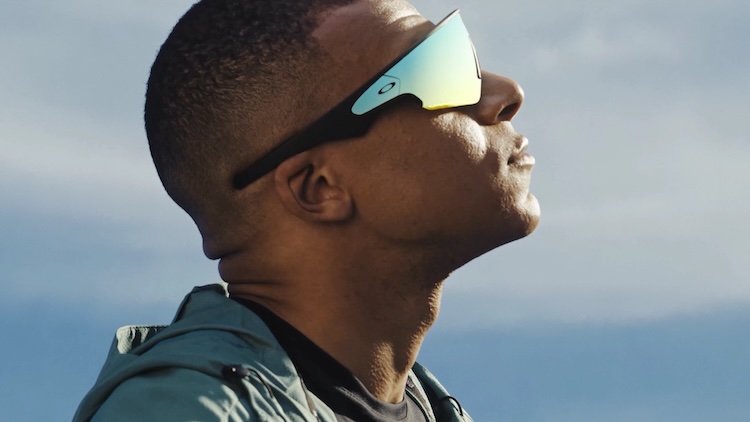
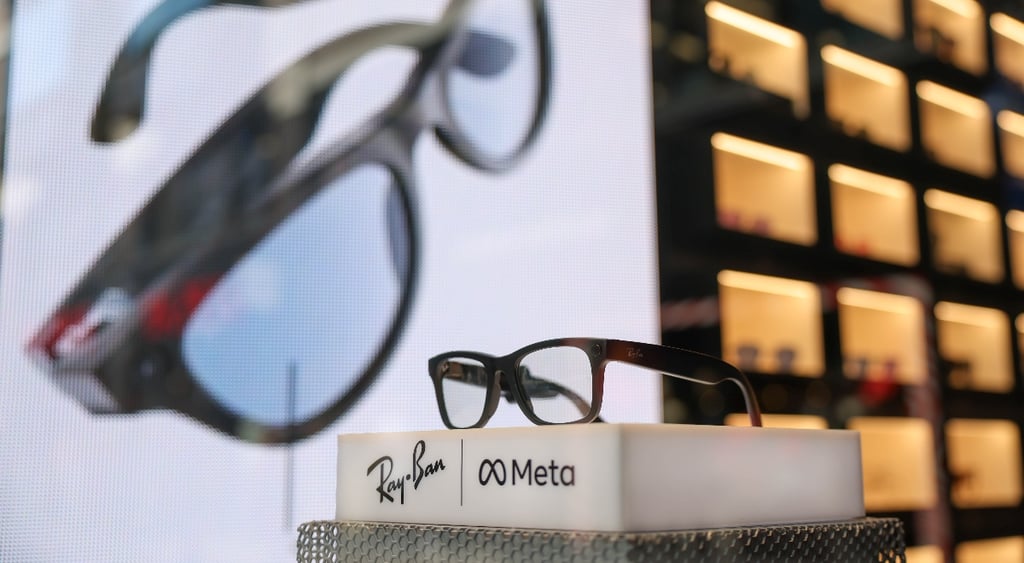
“Meta’s smart glasses companion app ships a complete, dormant face-recognition pipeline on a stock account,” Buchodi wrote after reverse engineering the Android companion app required to use Ray-Ban Meta and Oakley smart glasses.
Three facial recognition models already available to users
According to Buchodi’s analysis, Meta’s servers are delivering three machine-learning models to user devices.
One model detects faces, another crops and aligns them, and a third converts faces into 2,048-dimensional biometric embeddings – digital faceprints that can be searched and compared against a database of people known to a user.
Wired separately reported that the same three AI models have already been deployed from Meta’s servers and downloaded to users’ phones, even though the feature itself remains inactive.
Buchodi says he was able to trigger the recognition pipeline manually and run it end-to-end using a test image.
“What I can demonstrate: the machinery is present, it is wired together."Buchodi, independent security engineer.
“What I can demonstrate: the machinery is present, it is wired together,” he wrote.
“Several facial extraction and facial fingerprinting models are present, and I was able to run the recognition pipeline end-to-end on a test image, and it detected a face, generated a 2048-dimension biometric embedding, searched a local index, and on a match, fired an Android notification stating to the user, ‘Person Recognized.’”
Facial prints stored locally
The researcher also uncovered a local database schema designed to store biometric face embeddings and to compare them using a “cosine similarity search,” a technique commonly used in facial recognition systems.
When the software encounters an unknown face, it stores both a cropped image of the person’s face and a corresponding biometric fingerprint in a folder called “NameTagsPending.”
Buchodi claims records survive device reboots and can later be matched against identities if a database entry becomes available.
“The most literal reading is ‘faces pending a name,’” Buchodi wrote, referring to the folder’s title.
The app also contains a dedicated notification channel named “NamesTags recognition” that displays alerts reading “person recognized” whenever a match occurs.
Dead philosopher test
To verify the system worked, Buchodi added a single face print derived from a public-domain image of a well-known, if not immediately identifiable, French philosopher, Michel Foucault.
After triggering the pipeline with Foucault's image, the app generated a notification identifying him by name.

Buchodi is careful to emphasize that he found no evidence that Meta is currently using the system to identify people for ordinary users.
“On a stock unenrolled account, the user-facing UI does not appear,” the engineer confirmed.
“So this is not ‘Meta is secretly identifying the people you look at,” Buchodi wrote.

“It is: the complete apparatus to do exactly that is sitting on the device, assembled and functional, gated by Meta.”
Is big tech returning to facial recognition?
The findings suggest that Meta may be exploring the use of facial recognition on its devices, something it publicly abandoned five years ago.
In 2021, Meta deleted more than a billion faceprints tied to Facebook's photo-tagging system after years of regulatory scrutiny and privacy controversies.
The company later paid $650 million to settle an Illinois biometric privacy lawsuit and agreed to a separate $1.4 billion settlement with Texas over allegations it unlawfully collected biometric data from users.
But as Meta continues to expand its wearable computing market – it has sold more than seven million smart glasses and reportedly controls over 80% of the AI-glasses market – it risks similar data and privacy concerns.
According to the New York Times, the company is also working on a model of glasses – called “super sensing” internally – that would continually run cameras and sensors to keep a record of someone’s day, similar to how AI notetakers summarize video call meetings.
"A race to embed surveillance infrastructure"
Richard Kersey, an engineering leader, privacy expert and founder, told Cybernews that Meta's inclusion of facial recognition code appears less about engineering and more about establishing surveillance capabilities before regulation catches up.
"They know the regulatory window is closing, and they're racing to embed surveillance infrastructure into hardware before legislators catch up. They have billions of users and a near-zero marginal cost to collect biometric data – not because it's the right architecture, but because they can."
"Meta knows the regulatory window is closing, and they're racing to embed surveillance infrastructure into hardware before legislators catch up."Richard Kersey, software engineer, privacy expert and founder.
However, in a statement to Wired, Meta said the technology represented an “ongoing exploration” of potential features rather than a product intended for release.
The company noted that no consumer rollout has occurred and no final decision has been made regarding deployment.
Meta added that any future implementation would be communicated transparently and reiterated that it is not building a centralized facial recognition database.
Has your password leaked?
Elsewhere, Apple is reportedly developing smart glasses for release as early as next year, while Snap plans to launch a new version of its Specs glasses this year.

Google is also re-entering the smart glasses market more than a decade after retiring Google Glass amid privacy concerns and weak consumer adoption.
Unlock more exclusive Cybernews content on YouTube.