Check these websites to learn about Flock cameras in your area
You’ve been flocked.
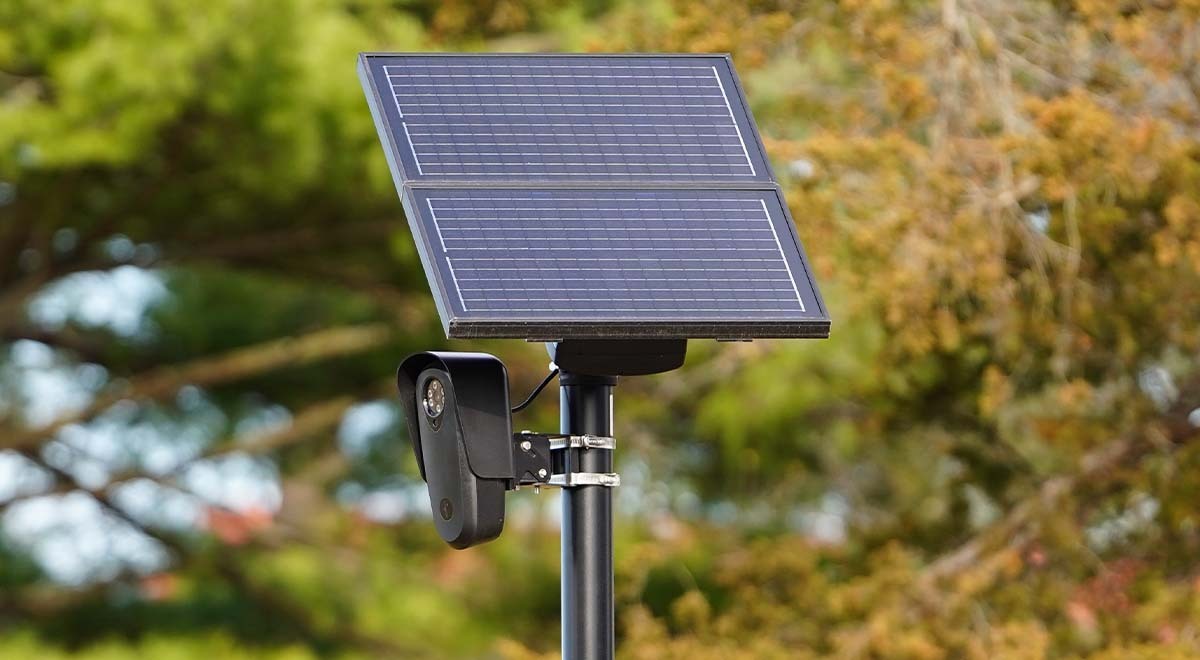
Image by Aaron of L.A. Photography via Shutterstock

 Follow us
- New websites let users map Flock ALPR cameras and check whether police searched their license plate.
- Flock’s AI cameras collect vehicle details, store them in the cloud, and alert police when hotlisted cars appear.
- Privacy advocates warn the network, estimated at 120,000 cameras across 49 states, could expand routine surveillance.
- Reported misuse, false alerts, and contract cancellations show growing tension between public safety and privacy.
Key Takeaways by nexos.ai, reviewed by Cybernews staff.
An increasing number of websites allow you to check if there are Flock Safety’s Automated License Plate Recognition (ALPR) cameras in your area, and whether you have been “flocked.”
License plate recognition systems have been used in the US since the late 1990s to fight crime, but the growing use of the Flock ALPR system in recent years has sparked concerns that it could enable a new level of surveillance.
Unlike traditional license plate readers, Flock uses AI to capture and analyze details of every car that comes into view, extending far beyond the plate number. It can record a car's model and color and recognize details as small as bumper stickers.
The information is uploaded and stored in a central cloud. The system then matches the data against a searchable database used by law enforcement agencies and issues an alert whenever a car on a “hotlist” is captured by Flock’s cameras anywhere in the US.






With an estimated 120,000 Flock cameras installed across 49 states, it may be hard to escape their sights.




Stay updated with our latest stories and follow us on social media
Be the first to discover new stories, ideas, and updates from our team.
Here’s how to find Flock cameras in your area
Privacy advocates have launched multiple websites mapping Flock cameras across the US.
- DeFlock is an open-source project for identifying and documenting ALPRs, created and maintained by volunteers and the OpenStreetMap community.
It includes a map of camera locations and enables searching by ZIP code, city, and address, providing a detailed view of ALPRs in the area.
DeFlock’s “Route” functionality provides analysis of ALPR camera exposure along the chosen itinerary and identifies less-exposed alternatives.
- The map and route-planning tool are also available on the FlockHopper website. Similar to DeFlock, the website generates an alternative route with fewer cameras on the way.
- All Eyes on Flock provides detailed statistics about the number of Flock cameras in individual cities, vehicles captured, and hotlist hits.
The website’s data is sourced directly from Flock Customers’ Transparency Portals. In some cases, the number of searches conducted and the search audit results are provided.
- The website Have I Been Flocked? allows users to enter their license plate number to check whether it was searched in the Flock system database. The data comes from audit logs made public by some local governments.
However, the website doesn’t reveal if a vehicle passed one of Flock's cameras.
The website says it doesn’t save, store, or log the license plate numbers or search terms entered, and the data is “immediately discarded by the application itself” after the search is performed.
Why does it matter?
While an extensive network of Flock cameras is undoubtedly bad news for the criminals, there is an increasing number of reported abuse cases.
A recent investigation by The Washington Post found that at least 46 officers were accused of misusing the system to track women they are interested in or their ex-partners.
Three more law enforcement officers were arrested in Georgia in August 2026, over allegedly using the Flock system for stalking people they had relationships with.
There are also growing concerns about false-positive flagging. For example, the Los Angeles Police Department’s (LAPD) audit has revealed a 32.3% false-positive rate for stolen-vehicle alerts.
While some American towns and cities are falling out with Flock cameras – at least 54 voted to cancel, non-review, or reject contracts – enforcement remains strict in others.
The City of Madison Heights, Michigan, threatened a cannabis dispensary with unspecified sanctions for erecting a sign that blocked the Flock camera it was required to install.