Herz P1 Smart Scale vs Hume Body Pod: which smart scale is better?
Being behind major reports like The Mother of All Breaches and RockYou2024, our in-house cybersecurity experts and journalists provide unbiased, real-world testing and in-depth analysis.
We maintain complete transparency by openly sharing our testing methodologies with our audience.
Learn more
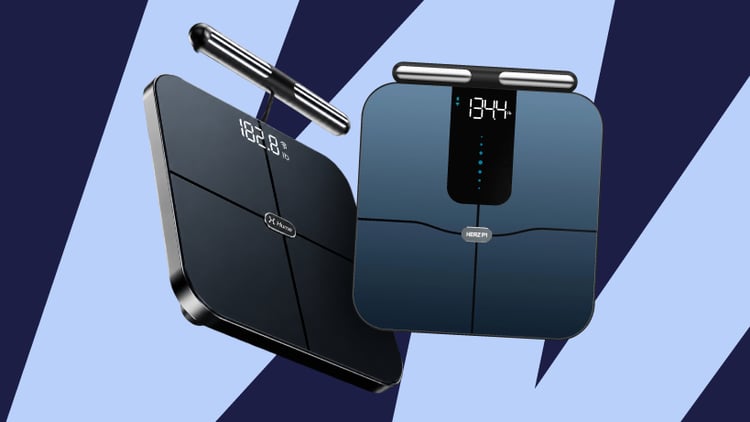
When smart scales go beyond the basic foot-only setup, they are generally considered to be more precise. That’s why you’ll find a handle treated as a highly valued component in the category, with both Herz P1 and Hume Body Pod featuring one.
Because they take readings through your lower and upper body, these scales may build a more complete picture of your body composition. Herz P1 is also the cheaper option of the two, making it appealing if you’re after advanced body composition features at a lower price.
However, these two devices don’t inspire the same level of confidence. Hume Body Pod comes with a more established health-platform feel and a clearer long-term wellness focus. By contrast, Herz P1 looks appealing on paper, especially if you’re after advanced body composition features at a lower price, but there’s much less reliable information available about the device and its broader user experience.
So, we compared them to give you a clearer picture and make the buying decision easier.
| Device | Hume Body Pod | Herz P1 Smart Scale |
|---|---|---|
| Sensors | Eight-electrode system | Eight-electrode system |
| Key metrics | Weight, body fat, visceral fat, muscle mass, muscle balance, water levels, etc | Weight, body fat, visceral fat, muscle mass, muscle balance, water levels, etc |
| App | Native, Hume | Third-party, Unique Health |
| Battery | Rechargable | 4 AAA batteries |
| Current price | $183.04 | $129.99 |
| Best for | Longevity insights | Shoppers on a budget |

Design and everyday use
At a glance, Herz P1 Smart Scale and Hume Body Pod appear similar, especially since they use an 8-electrode setup with a handle. This type of design may provide more complete body composition readings because the scale measures both the upper and lower body rather than relying solely on foot sensors.
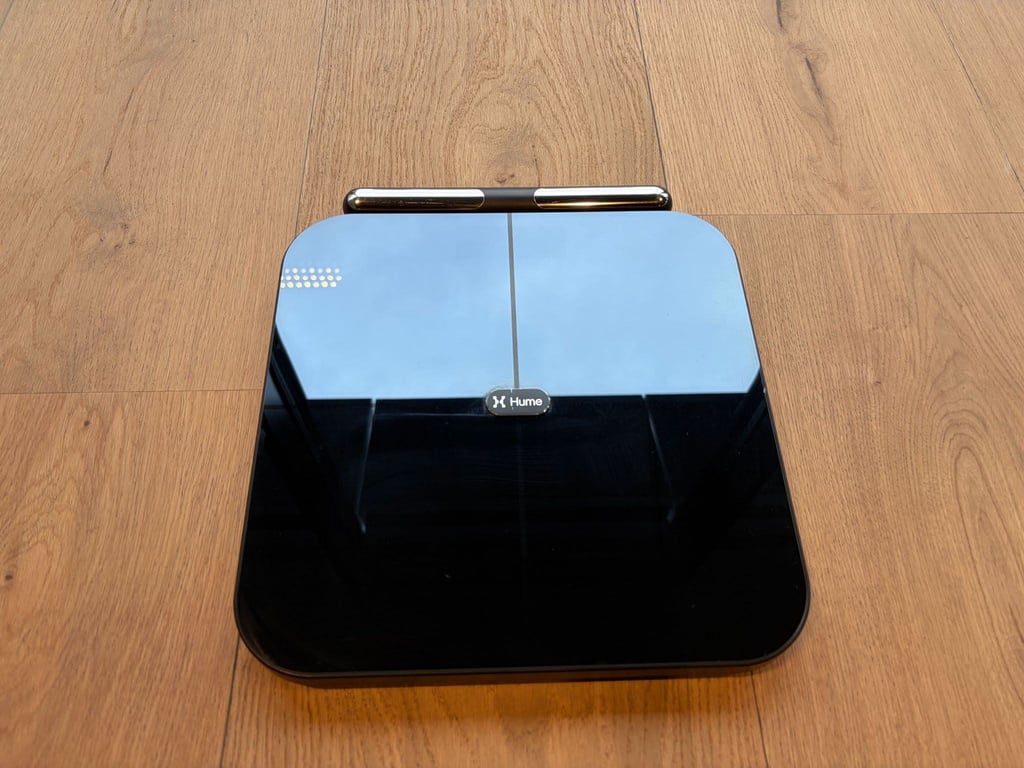
In our testing, Hume Body Pod felt like the more refined device. It has a premium look and comes across more like an at-home body composition station than a simple bathroom scale.
Herz P1 follows a very similar idea, although you can guess it is slightly cheaper. In day-to-day use, it covers the basics well and offers the kind of setup that should feel familiar to anyone who has used a smart scale before. That said, it didn’t feel quite as polished or as premium as Hume overall.
And lastly, the Hume Body Pod companion app (Hume) boasts a cleaner, more intuitive interface than the app used by Herz P1 (Unique Health). Not only does it offer more insights, which we’ll cover later, but it also has a more modern look to it.
Body composition tracking features
Hume Body Pod is built around body composition tracking, and in our testing, it clearly tried to give users a broader health picture than just weight and BMI. It tracks a long list of health metrics, including body fat, muscle mass, body water, visceral fat, bone mass, metabolic rate, and more.
One of its more useful strengths is the way it presents body composition as something you can follow over time, rather than just a set of one-off measurements.
Herz P1 Smart Scale also aims high in this category. It is marketed as tracking 56 health and fitness metrics, and from our testing, it is clearly designed to appeal to users who want advanced readings without moving into the highest price tier.
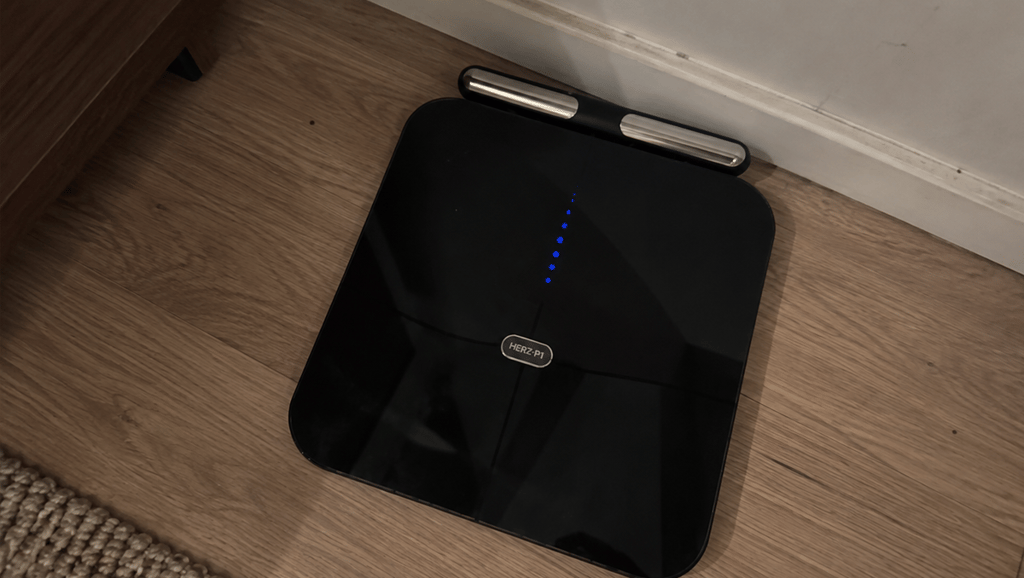
Hertz P1 covers the key body composition areas most people care about, such as body fat, muscle mass, BMI, body weight, and metabolic information, and the handle-based design helps it feel more serious than a basic foot-only scale.
The biggest difference is not the metrics, but how cohesive the experience feels. Hume Body Pod does a better job of making its features feel connected. Herz P1 offers similar metrics, but no guidance.
Accuracy and measurement technology
Both use bioelectrical impedance analysis (BIA) technology. This is what you’ll find in all at-home smart scales, not just Hume Body Pod and Herz P1 smart scale.
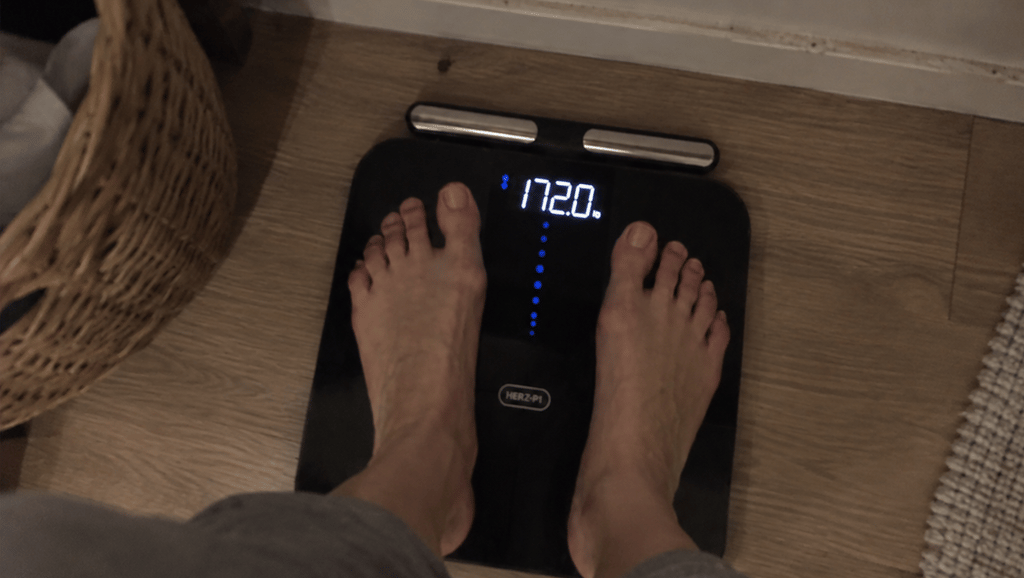
It works by sending safe electrical currents throughout the body. Water-rich lean mass conducts that current faster, while fat tissue creates more resistance.
Both of these scales are clearly trying to move beyond the limitations of standard smart scales, and the handle-based 8-electrode design is a big part of that. Since they measure through the upper and lower body, they are generally better positioned to estimate body composition than scales that only use foot electrodes.
They are not perfect and should not be used as clinical data — you would need to get a DEXA scan for that. But for tracking purposes, both of these scales can be useful when treated as trend-tracking tools rather than as sources of actual measurements.
For instance, the same person might see different body fat percentages using Hume Body Pod and Herz P1 Smart Scale, however, this is normal and expected for smart scales. They use algorithms to estimate your body composition, that’s why they differ brand to brand. So, we do not recommend using these numbers as actual measurements, but if you want to track changes, these products can help you with that.
App experience and health insights
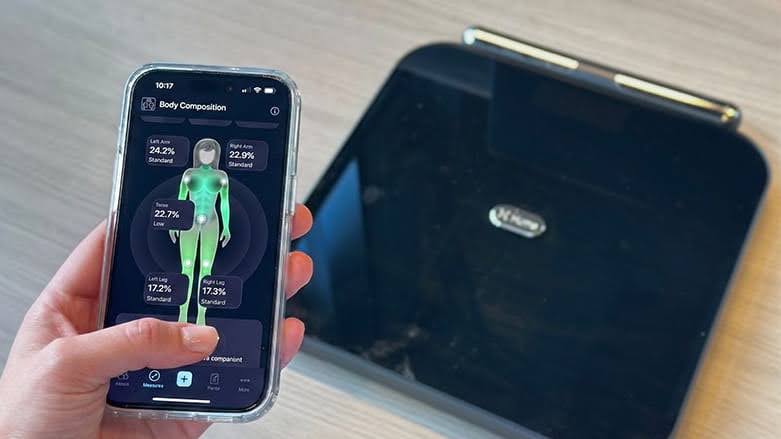
Both scales feature LED displays, but because full functionality relies on their apps, you will need to get your phone out for full details. Hume Body Pod pairs with the Hume app, whereas Herz P1 Smart Scale uses Unique Health.
Hume app has been created exclusively for Hume products, while Unique Health is not developed by Herz P1 and can be used with a wide range of other smart scales.
For tracking trends, both are fine, but if you want something more goal-oriented, Hume is a clear winner here. This is because the Hume app is tailored for longevity insights, while Unique Health is for general tracking only.
With Hume, you’ll receive your metrics and explanations of what they mean and what you can do next to optimize your health for longevity. Besides that, the Hume app also appears more modern and better put together.
For those who want to go beyond the smart scale, both offer fitness trackers: Hume has their own fitness band, while Herz P1 offers a smart ring. But only Hume Body Pod and Hume Band connect to the same Hume app. Herz P1 smart ring requires a different app (QRing), but again, it is not their native app. Since you need two separate apps, the data can’t be linked together like it is on the Hume app.
Subscription costs and overall pricing
This is where the comparison becomes less straightforward.
Hume Body Pod is the more premium product, and it feels that way. But premium devices often come with extra costs, and Hume’s broader health-insight approach may be most useful to people who are comfortable buying into a more app-centered ecosystem.
If you want the fullest version of the experience, the long-term cost may end up being higher than the upfront hardware price alone suggests, although Hume can be used without any additional subscription fees.
Herz P1 is more attractive from a pure value perspective. It gives you the kind of hardware setup that many buyers specifically look for in a body composition scale — 8 electrodes, handle-based readings, app connectivity, and a broad list of metrics — without pushing as far into premium pricing. That makes it easier to justify if you mainly care about getting advanced scale features without spending too much.
Still, value is not only about paying less. Hume Body Pod costs more, but it also feels more convincing as a long-term device. Herz P1 may save you money upfront, but the experience is not as helpful if your goal is to increase your fitness levels.

Brand reputation
While we don’t often scrutinize brand reputation when reviewing products, in this case, it is impossible to ignore the cold facts: Hume Body Pod has a way more established brand image than Herz P1.
There is simply more information available about Hume Body Pod. It is easier to understand what the product is meant to do and what kind of user experience you should expect. There are also more reviews, comparisons, and discussions online, which makes the buying decision feel less like a gamble.
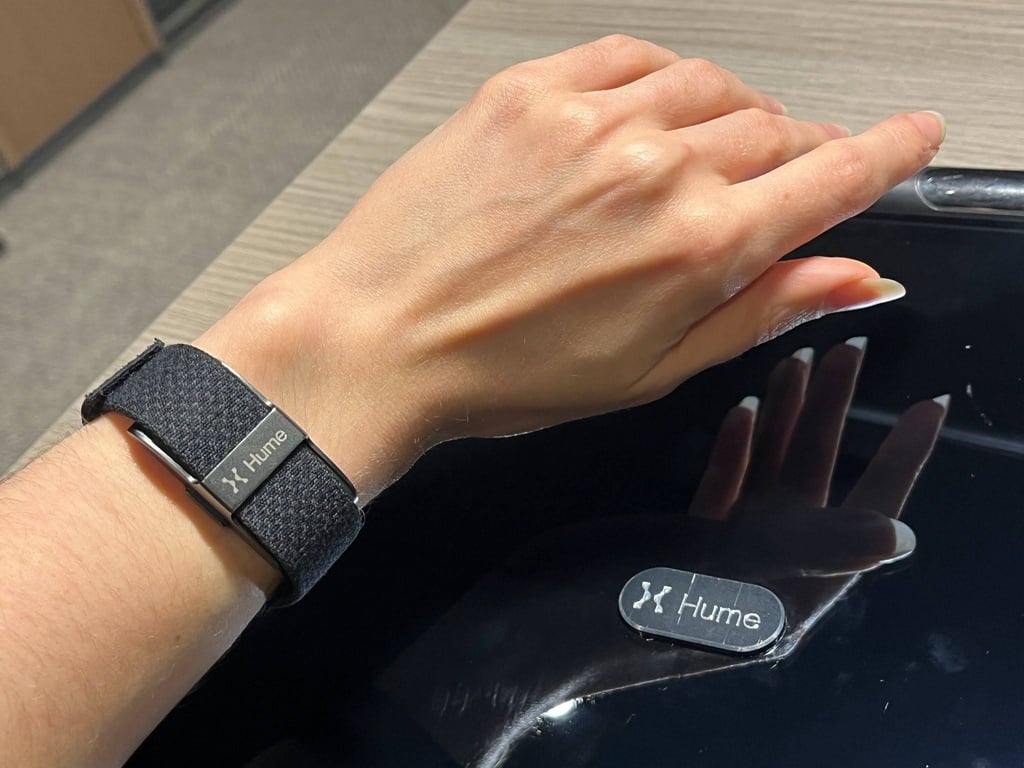
Hume Body Pod also has a fitness tracker for those who want an even more complete picture of their fitness. As mentioned before, although Herz P1 offers a smart ring, it uses a separate app — so we wouldn’t even say they belong in the same ecosystem, at least not the way Hume Band and Hume Body Pod do.
Also, Herz P1 is harder to evaluate with the same confidence. While the scale looks promising on paper and includes many of the features buyers usually look for in a more advanced body composition device, the brand presence feels much thinner.
There is less independent information and not a lot of discussions around the product online. For this reason, there’s less clarity around the app experience and long-term support. That does not automatically mean the device is bad, but it does make it harder to evaluate it.
Verdict: Should you buy Herz P1 or Hume Body Pod?
Choosing the most suitable is not as straightforward, so we summarised the points made in the article
Choose Herz P1 if you want a more affordable smart scale and don’t want to pay extra for subscription features. It also makes more sense if your main goal is straightforward body composition tracking and you are comfortable interpreting the numbers on your own.
Choose Hume Body Pod if you want a more polished experience, clearer insights, and a device that feels more complete. It is also the better pick if you value a stronger app, a more established ecosystem, and greater buyer confidence thanks to the brand’s presence online.
Our bottom line is simple: Herz P1 is the better choice for budget-focused buyers, while Hume Body Pod is the better buy for most people because it offers a more refined product, more useful insights, and a more trustworthy overall experience.