Could Jensen Huang's secret affair pop the AI bubble?
Contrary to what you’ve heard, Chinese models come at a cost.
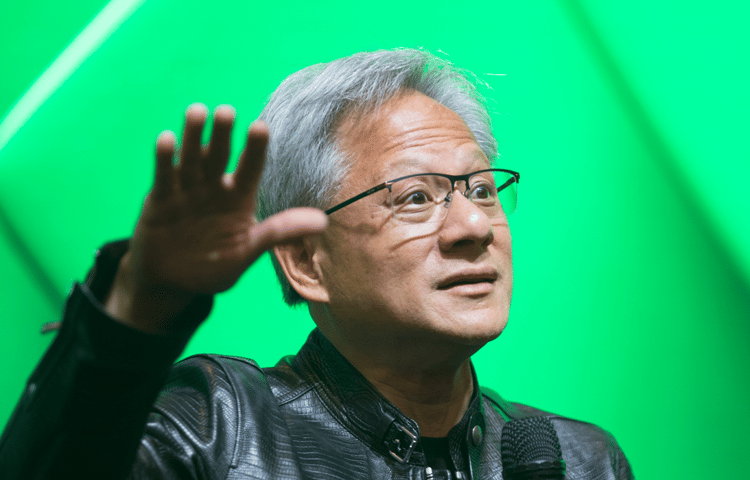
Nvidia CEO Jensen Huang. Jameson Wu via Shutterstock.

 Follow us
- Nvidia CEO Jensen Huang admitted to an affair, while reports raise possible China-linked security concerns.
- Alice Huang’s former company bought more than $4.8 billion in Nvidia chips over two years.
- Experts say investigators must determine whether any sensitive Nvidia information was accessed.
- One investor says Huang’s exit could hurt Nvidia stock, but the scandal is unlikely to burst the AI bubble.
Key Takeaways by nexos.ai, reviewed by Cybernews staff.
The internet is busy generating memes and betting on Huang's divorce. But this is not just a story for the tabloids, as Nvidia is one of the most valuable corporations in human history, and the affair could hurt far more families than just Jensen's.
Nvidia CEO Jensen Huang has admitted to being unfaithful to his wife, but the controversy has escalated after reports suggested Huang’s mistress may have been gathering information for the Chinese government.
Alice Huang, also known as Huang Le and not related to Huang, is a Chinese citizen and former executive at the Singapore-based data center company Megaspeed International.
The connection is particularly sensitive, as Megaspeed purchased more than $4.8 billion worth of Nvidia chips over two years. This makes for very high stakes.




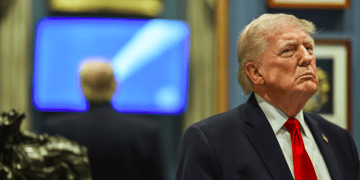

Nvidia is at the center of the global AI infrastructure boom, supplying the processors that power data centers and AI systems. Huang is also much more than a conventional CEO, having become one of the most influential public faces of the AI boom.
Destabilizing the chip industry
Garth Sheriff, Certified Fraud Examiner and AI audit specialist, believes the most important question is whether the affair created a vulnerability inside Nvidia.
Sheriff argues that this is "not necessarily a moral issue at this point" but rather "one in terms of security breach access, and one that might destabilize the entire chip industry."
Investigators must establish "what information did the potential agent of the Chinese government gain", he added.


Stay updated with our latest stories and follow us on social media
Be the first to discover new stories, ideas, and updates from our team.
The board's findings will be crucial in determining whether this is a reputational problem or a genuine corporate security failure. They will also need to establish whether any sensitive information was accessed. Huang also remains under investigation by the FBI.
There is also a geopolitical dimension, as Nvidia's advanced processors are at the center of the US-China technology rivalry. Huang has previously pushed for the US to loosen restrictions on chip sales to China.
Sheriff argues that the potential consequences could extend beyond Nvidia itself, particularly given the strategic importance of the semiconductor industry to the US, China and Taiwan.
This causes further uncertainty in an already volatile space, and we will have to see what the market effects are as well as how the US reacts to purchasing chips from Nvidia,said Garth Sheriff, Certified Fraud Examiner and AI audit specialist.
Could it cause the AI bubble to burst?
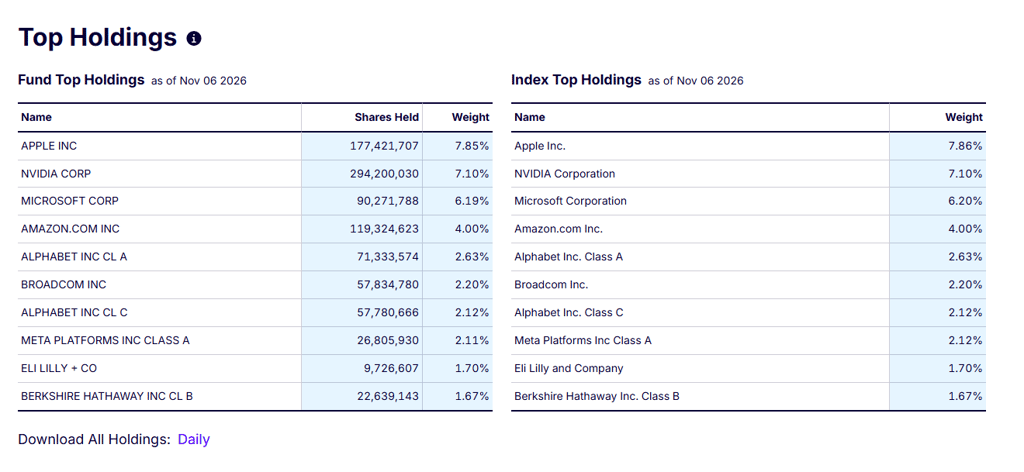
Nvidia's problems arrive at a sensitive time for investors. Nvidia’s current market value of $4.3 trillion is down from its peak of $5.9 million.
As of November 6th, Nvidia comprised just over 7% of the S&P 500.
US investor and finance expert Eric Schiffer speculated about what would happen if, for example, Huang had to step down:
"If [Huang] is ousted, it will crush Nvidia stock by anywhere from 20% to 30%," he predicted, before qualifying that the probability of Huang leaving his post is low at this point.
If this prediction came true, it would send Nvidia's valuation down to between $3 trillion to 3.4 trillion.
Schiffer thinks the affair alone is unlikely to burst the AI investment bubble, explaining:
This scandal will not act as the definitive catalyst to burst the AI investor bubble because the demand for chips and computers is insatiable, irrespective of any challenge Jensen may have had on a personal level,said US investor and finance expert Eric Schiffer.
This distinction matters because Nvidia's leadership problems and a collapse in the wider AI investment market are two different scenarios.
And as Schiffer concluded: "The broader tech ecosystem is very resilient to a sudden leadership vacuum on the Nvidia side."