“Trash streamers” face prison time in Poland
Some people think “trash streaming” shows the real world.

Image by Cybernews.

 Follow us
- Poland has banned trash streaming and introduced prison terms for creators or distributors who profit from abuse.
- The law targets livestreams showing violence, animal cruelty, humiliation, or disorderly drunken behavior in exchange for money.
- Penalties can reach three years in prison, or five years if the content involves a minor.
- Lawmakers say the ban protects children, who often encounter trash streams through recommendations or social media clips.
Key Takeaways by nexos.ai, reviewed by Cybernews staff.
Poland has officially banned “trash streaming,” and anyone who creates or distributes this content could face months or years in prison.
In its latest crackdown on trash streaming, Poland has signed a bill that promises to prosecute those who don’t follow the rules.
Trash streaming, also known as “patostreaming,” is where streamers display particularly dangerous behavior, including substance abuse, physical violence, animal cruelty, and humiliation rituals.
While this isn’t new, as Poland has been aware of trash streaming since 2017, it seems lawmakers are concerned that profit is reinforcing this kind of behavior.






Platforms like Twitch and Kick are subscription and donation-based sites where users can freely subscribe to and tip creators.

Trash streaming quickly proved to be lucrative, and “patoinfluencers” became pretty popular with kids and teenagers deciding to “spend their digital pocket money on creators of brutal and vulgar web content,” according to the European Union.
In an effort to deter users, Polish President Karol Nawrocki has approved criminal penalties for livestreamers who profit from maltreating others or themselves.
The law was developed using materials from the nation’s two main political forces, the ruling Civic Coalition and the oppositional Law and Justice party.
Despite a partisan divide, the two opposing parties agreed that something must be done about trash streaming, as Nawrocki said the state couldn’t stand idle while people were subjected to violence and humiliation for profit, explains Polish news network TVP World.
If streamers are caught being drunk and disorderly, committing acts of physical violence, animal cruelty, or humiliation in exchange for money will face serious consequences.



Stay updated with our latest stories and follow us on social media
Be the first to discover new stories, ideas, and updates from our team.
Trash streamers could face years in prison
Those who spread materials that depict crimes against another person, animal abuse, or degrading treatment of a person, even with their consent, could face up to 3 years in prison.
If the content features a minor, the penalty could be anywhere from 3 months to 5 years in prison.
However, there are exceptions when it comes to educating the public on trash streaming.
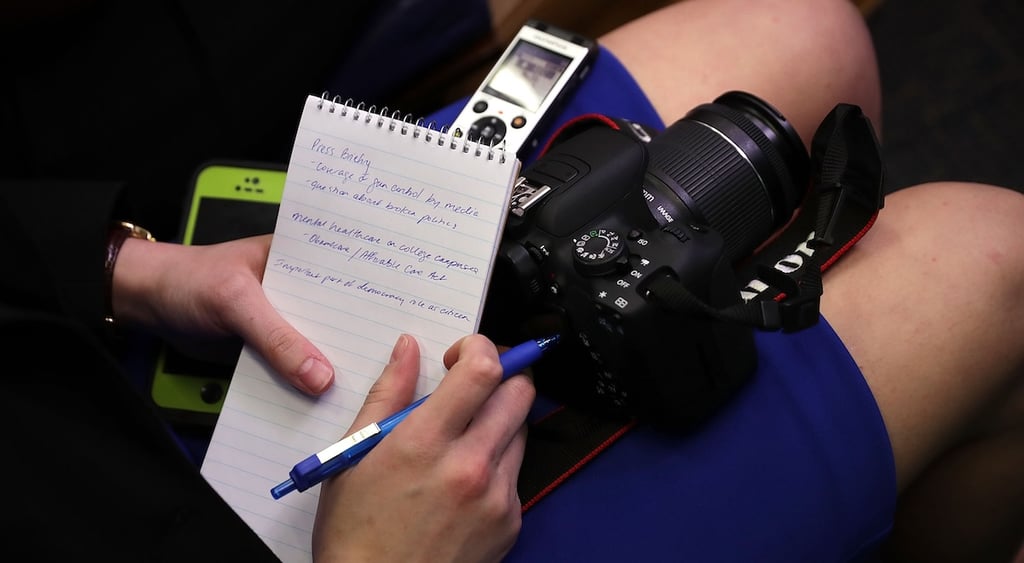
Journalists and documentarians will not be penalized for showing this type of content if a person can prove they’re broadcasting abuse for a particular purpose.
For example, if they’re a journalist writing a legitimate news piece or a documentarian working on educational content about trash streaming.
Poland’s attempt at child protection
The law, signed on Friday, July 17th, aims to address concerns surrounding children’s exposure to this genre of online content.
Studies show that roughly 28% of people aged 7 to 17 have watched trash streams, with the majority being as young as 7 to 9 years old, a 2025 report by Poland’s Office of Electronic Communications shows.
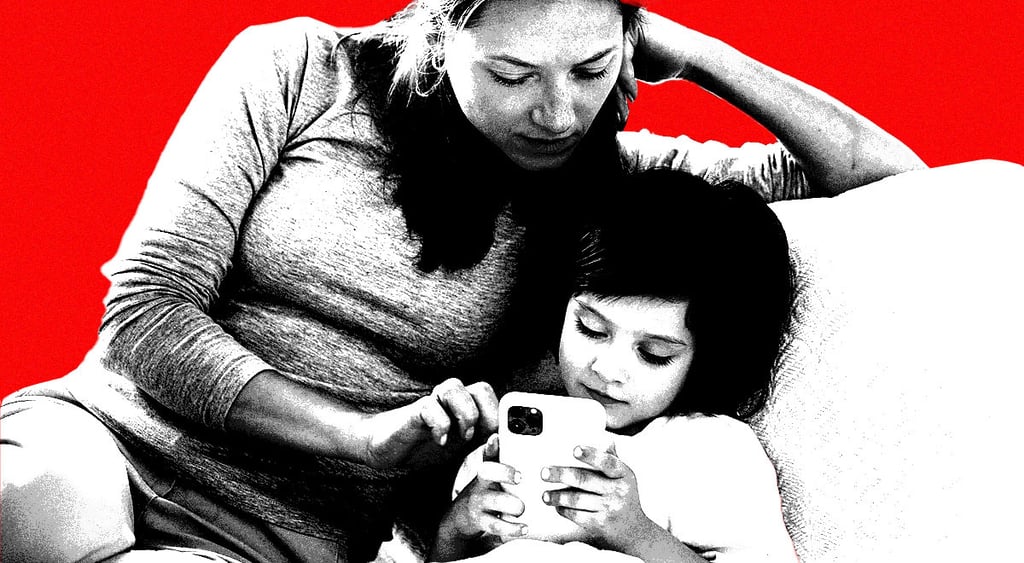
A report from NASK, a Polish research organization, found that children tend to stumble across trash streams by accident through algorithmic recommendations or social media clips.
Many have reported watching trash streams out of curiosity over an outright interest in disturbing content.
Attitudes towards trash streams are varied: while 82% of people agreed that this genre should be banned, one-third of respondents feel that trash streams show what life is really like, according to a 2019 Polish study.