NordLocker review 2026
Being behind major reports like The Mother of All Breaches and RockYou2024, our in-house cybersecurity experts and journalists provide unbiased, real-world testing and in-depth analysis.
We maintain complete transparency by openly sharing our testing methodologies with our audience.
Learn more
NordLocker is an end-to-end encrypted cloud storage service from Nord Security, the company behind NordVPN. Launched in 2019, it offers secure storage, file sharing, and collaboration tools for personal and business users.
In 2026, NordLocker received its biggest architectural update to date. The service replaced its old locker-based storage system with a new journaling engine designed to improve performance, remove previous file organization restrictions, and make sharing more flexible. NordLocker claims the new architecture can deliver over 10x faster uploads and downloads in some workloads and more than 100x faster processing for complex operations involving large numbers of files.
For this NordLocker review, I tested the redesigned service to see whether these improvements translate into a better experience in practice. I looked at its security and encryption, cloud storage and sharing features, apps, performance, and overall ease of use to determine whether NordLocker is worth using in 2026.
📢 LIMITED OFFER: Get up to 50% OFF NordLocker!
NordLocker overview
| 💵 Price: | $2.99/month |
| 🔒 Encryption: | AES-256 (GCM), XChaCha20-Poly1305 (IETF), Argon2id, Libsodium, and Ed25519 (Elliptic Curve Cryptography) |
| ✂️ Free version: | ✅ Yes (for personal use) |
| 💿 Encrypted storage: | from 3GB |
| 🗑️ Secure deletion of originals: | ❌ No |
| 🔑 Two-factor authentication: | ✅ Yes |
| 📱 Apps: | Windows, Android, iOS, web access |



The Cybernews team consists of professional and highly skilled writers and an in-house research team. They’re the core of all our reviews, bringing the performance of each tool closer to you. Additionally, we stick to a transparent testing process, which includes investigating various services, their features, and disclosing our testing methodology with everyone. Discover more about our testing process.
NordLocker pros and cons
Visit NordLocker to learn more about the features
How does NordLocker work?
NordLocker works as an end-to-end encrypted cloud storage service. Files are encrypted on your device even before being uploaded to the NordLocker cloud, meaning NordLocker itself cannot access their contents. Once uploaded, files are securely synced and can be accessed across all supported devices.
After the recent update, NordLocker no longer requires users to organize files into separate lockers. Instead, files can be uploaded directly to the My Files section and organized into folders at any level. The new journaling engine records file structure changes as small, individually encrypted events rather than reprocessing an entire locker whenever something changes. This gives NordLocker more flexibility and better performance.
On Windows, files can be kept in the cloud only or stored locally as well. Cloud-only files save device storage and are downloaded when you need them, while the Always keep on this device option keeps selected files available locally. On Android and iOS, files are primarily stored in the cloud, but individual files can be downloaded or made available offline when needed.
NordLocker pricing: Plans and storage tiers
NordLocker offers plan options for everyday users, professionals, and businesses. The 500GB Personal plan costs $2.99/month with annual billing, while Personal Plus provides 2TB for $6.99/month. Business customers pay per user: the 500GB Business plan costs $8.99/month, while Business Plus provides 2TB for $14.99/month. Paid personal plans have a 30-day money-back guarantee.
I compared the different NordLocker plans and what they offer in the table below:
| NordLocker plan | Cloud storage | Secure sharing | Admin panel | Price |
| Free | 3GB | ✅ Yes | ❌ No | $0 |
| Personal | 500GB | ✅ Yes | ❌ No | $2.99/month |
| Personal Plus | 2TB | ✅ Yes | ❌ No | $6.99/month |
| Business | 500GB | ✅ Yes | ✅ Yes | $8.99/month |
| Business Plus | 2TB | ✅ Yes | ✅ Yes | $14.99/month |
Compared to dedicated file encryption tools, NordLocker’s subscription model focuses mostly on encrypted cloud storage. For example, EncryptPro starts at $25 for five months ($5/month), with longer subscriptions reducing the monthly cost to $3.70. Xecrets Ez Premium costs just $15/year, while AxCrypt offers monthly and annual Premium subscriptions, with a 20% discount for annual billing. All three also offer free versions.
Finally, NordLocker has a free tier with 3GB of encrypted cloud storage. It’s a good option for testing the platform or if you only have a handful of files to protect. NordLocker’s paid plans are backed by a 30-day money-back guarantee, while business users can also try the service with a 14-day free trial.
Features and performance
NordLocker combines end-to-end encrypted cloud storage with file syncing, secure sharing, and flexible file sharing, with protections such as cloud backup, multi-factor authentication, and ransomware defense. After its latest update, NordLocker also promises better performance, especially when dealing with large numbers of files. Below is a breakdown of how it performs across its core areas.
Cloud storage and file syncing
NordLocker stores files in its end-to-end encrypted cloud, allowing them to sync automatically and remain accessible across supported devices. Unlike in the old version, you don’t have to create separate lockers first. All files can be uploaded directly to My Files, placed into folders, and moved freely between them. When I tested NordLocker, file syncing worked smoothly across devices, even when working with a bunch of files at the same time.
On Windows, NordLocker also lets you control how much space files use locally. Files can remain online-only and download when opened, while frequently used files can be kept on the device for faster or offline access. I found it useful when I needed to free up local storage without having to remove files from the encrypted cloud.
Sharing and collaboration controls
NordLocker makes collaboration secure by letting you share files or folders through encrypted links. After the latest update, you can now assign Viewer or Editor roles depending on whether recipients should only access the files or be able to make changes. The shared links come with expiration dates and access codes, so recipients can only view content within your set limits. For business use, an admin panel gives organizations oversight of storage and user activity.
File recovery and ransomware protection
During my investigation, I found that NordLocker does not offer file versioning. This means you cannot restore an earlier version of an overwritten or accidentally deleted file. This also caps its ransomware protection, as corrupted or encrypted changes that sync to the cloud cannot be retrieved using file history.
I also found that NordLocker says it is currently developing a cloud trash bin, which should make it possible to recover accidentally deleted files. However, this is separate from file versioning and won't necessarily allow restoring earlier versions of files.
Lastly, I thought it was neat that photos taken directly within the Android app can also be uploaded straight to NordLocker’s encrypted cloud storage.
Speed tests and resource usage
Performance is generally solid, with encryption and upload processes running quickly in our tests. Local encryption has little impact on the central processing unit (CPU) or memory usage, and syncing large files to the cloud was smooth with no significant slowdowns.
What’s more, when we re-ran our speed tests using the overhauled NordLocker version, we noticed that its performance had improved, though uploads and downloads weren’t necessarily the advertised 10x faster. The most noticeable improvement came when working with a larger number of files. Here, the difference was tangible, with the whole process running much more smoothly.
Security and privacy: how NordLocker protects your files
NordLocker is built around strong encryption and a zero-knowledge architecture, meaning no one, not even NordLocker’s developers, can access the contents of your files. Here’s a closer look at how it protects your data.
Encryption model and key management
All files are encrypted locally on your device before the upload with end-to-end encryption. NordLocker uses AES-256-GCM and XChaCha20-Poly1305-IETF for encryption, Argon2id for password-based key derivation, and Ed25519 elliptic-curve cryptography for digital signatures and authentication. The cryptographic operations are implemented using the libsodium library.
Because encryption happens directly on your device, only you hold the keys. You create a master password, and NordLocker also provides a device-independent recovery key. This recovery key lets you regain access if you forget your password and should be stored offline in a safe place.
Zero-knowledge, MFA/passkeys, recovery key
NordLocker follows a zero-knowledge model, meaning that not even the company can see or decrypt your files. Only encrypted data leaves your device, so even if the traffic is intercepted, it’s unreadable.
For account security, NordLocker supports multi-factor authentication (MFA) using one-time codes or authenticator apps like Google Authenticator, Duo, or Authy. Nord Account also supports passkeys, allowing you to sign in using a device PIN, fingerprint, face recognition, or another supported authentication method instead of a password.
NordLocker also provides a recovery key, which can be used to regain access to your encrypted files if you forget your password. It should be stored somewhere safe and separate from your device.
Audits, jurisdiction, and data handling
NordLocker is developed by Nord Security, the same company behind the virtual private network NordVPN. The company is registered in Lithuania, with parts of its corporate structure in Panama, and operates data centers in multiple regions for cloud storage.
While NordLocker hasn’t yet published public third-party audit reports specific to its storage product, its parent company has undergone security assessments for related services like NordVPN. Independent penetration testing is used to validate the system’s resilience.
Thanks to its zero-knowledge architecture, NordLocker simply cannot access any file contents. The service does collect some account, usage, and technical information necessary to provide and maintain the service, while app analytics can include performance and crash data.
NordLocker apps
NordLocker has apps for Windows, Android, and iOS, as well as the web. A macOS app was previously available but is no longer supported. I also found that NordLocker does not currently offer a Linux app either.
The current apps are very simple, both on mobile, desktop, and browser. They are incredibly easy to use because there aren’t really many settings to tweak and toggle. The overall look is nothing exciting, but I count that as a good thing – you don’t want fireworks to explode and purple unicorns to appear every time you upload a file.
Desktop app
NordLocker currently offers only the Windows desktop app. Although it previously had a macOS app, it is no longer supported. The Windows app integrates with File Explorer, which makes managing encrypted cloud files feel much like working with files stored normally on your computer.
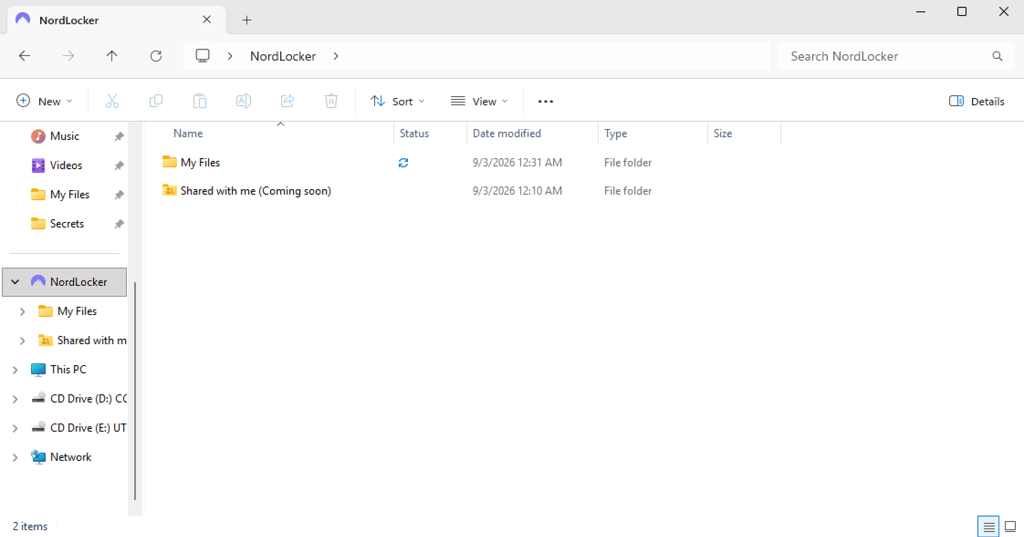
The latest version also does away with NordLocker’s old locker-based interface. Instead of creating separate lockers, files are stored under My Files, where you can create folders and organize files freely at any level.
NordLocker also lets you control how files are stored locally. From what I saw, files can remain online-only to save available space, or you can download and keep them on your device when you need offline access. File Explorer displays the current status of each file, which is handy when you need to see whether the file is stored locally or only available in the cloud.
Overall, I thought the NordLocker desktop app looks simple and familiar. I especially liked its integration with Windows File Explorer, which meant that using it doesn’t require much technical knowledge.
Mobile apps
NordLocker currently has apps for Android and iOS devices. Both apps were recently redesigned with a nice new interface, dark mode, and again, improved performance. The new mobile apps also include an improved transfers list to keep track of active uploads and downloads.
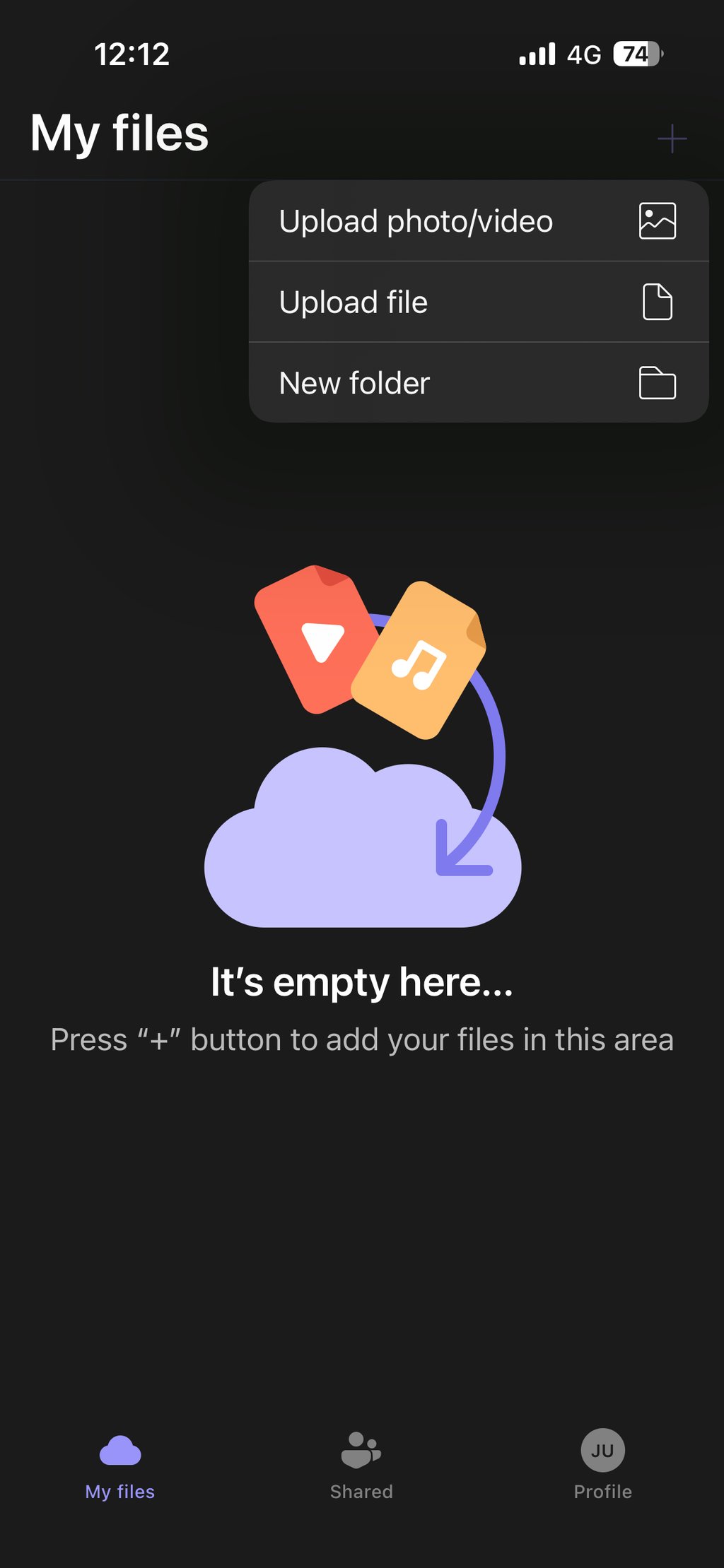
The homepage provides access to your files and folders, which can be displayed in a grid or list view. Since NordLocker no longer uses the old locker-based system, you can upload files directly and organize them into folders without having to create a locker first.
You can access the settings through the menu in the upper left corner of the screen. There, you can set the lock time, choose to use biometric data to unlock the app, enable MFA, and manage your subscription.
Interestingly, the Android app doesn’t allow taking screenshots, and toggling the “allow screen capture” permission on or off requires your master password. However, there's now instant photo encryption in the Android app, which allows you to keep your photos secure.
Web Access
The NordLocker cloud can be accessed on the web as well, and this is especially convenient when you need a file but don’t want to download NordLocker on every device you use, such as a school computer.
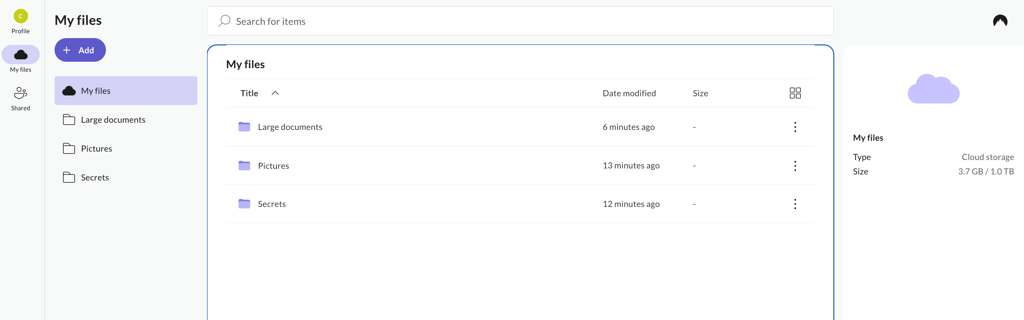
The NordLocker Web Access interface is as simple as the other apps, providing direct access to your files and folders from the browser. You can upload files, create and organize folders, and use NordLocker’s sharing features without installing the desktop app.
The main difference from the other NordLocker apps is that the settings for your account, security, privacy, and everything else can be accessed by clicking your profile icon in the upper-right corner.
How to install and use NordLocker?
Installing and using NordLocker is as uncomplicated a process as it could be. You don’t need to worry about configurations or ponder over complex encryption processes.
To give you an idea of what may lie ahead if you decide to get NordLocker for yourself, I put together a simple step-by-step guide on how to install and use the app.
How to install NordLocker
- Go to the NordLocker pricing page and choose your plan.
-
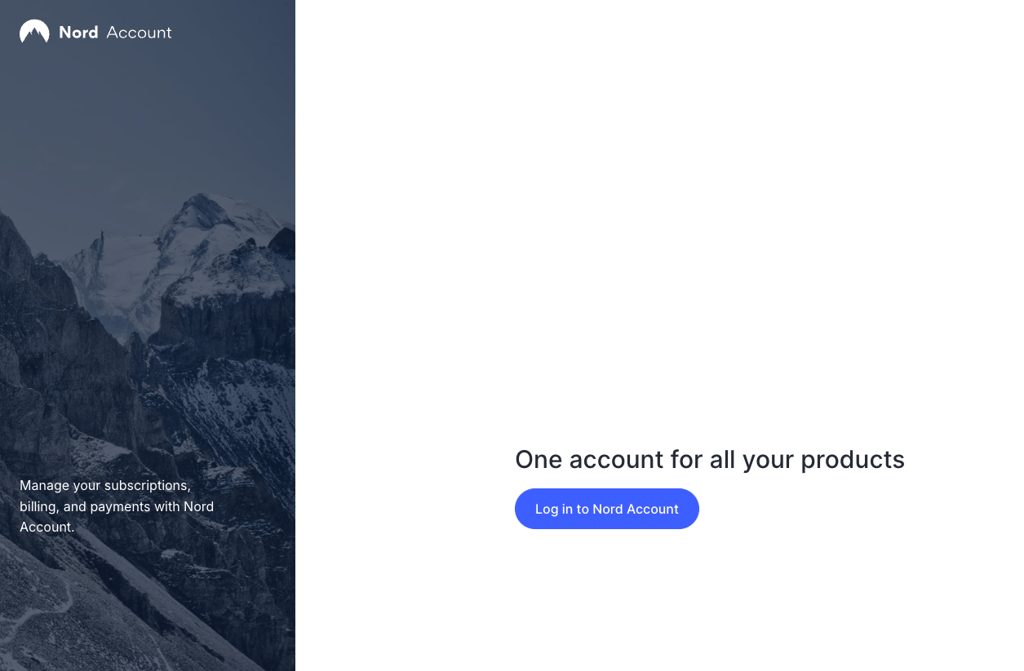
Log in to your NordAccount or create one.
-
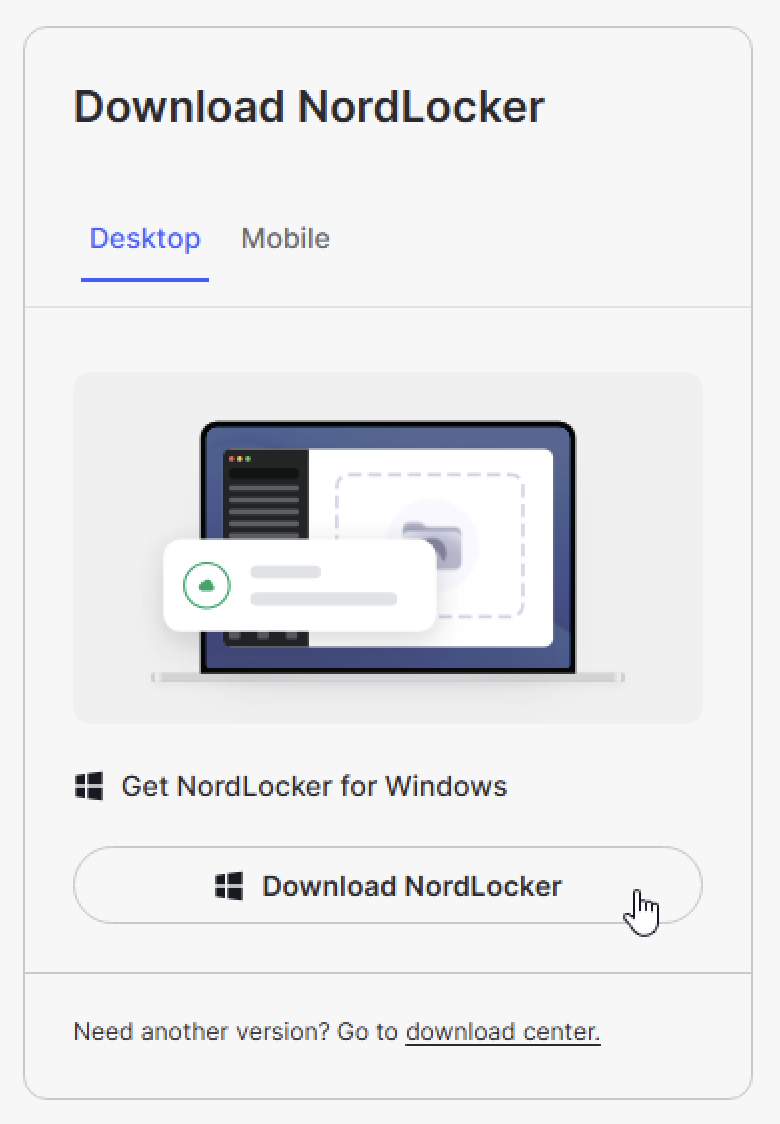
Download the NordLocker app.
-
Follow the instructions from the installation wizard.

- Create a master password (NordLocker Key).
- Save the recovery key in a safe place – without it, you will lose all your files in case you forget your master password.
How to encrypt files with NordLocker
- Open NordLocker and go to My Files. You can upload files directly here or create folders to organize them first.
-
Add your files or folders to NordLocker. On Windows, you can drag and drop them into NordLocker through File Explorer. Your files are encrypted automatically before being uploaded to the cloud.
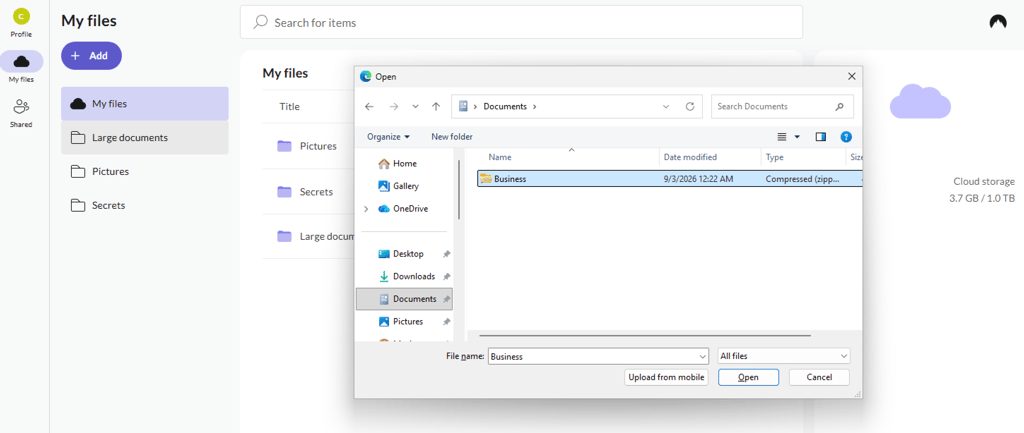
- On the web, click Upload and select the files or folders you want to add. NordLocker will encrypt and upload them automatically.
How NordLocker compares
NordLocker isn’t the only encrypted storage solution available. Services like pCloud Crypto, Proton Drive, Sync.com, and Tresorit all aim to secure your files, but they differ in features, pricing, and focus. Here’s how NordLocker stacks up.
NordLocker vs pCloud
pCloud’s lifetime plans are appealing, but team collaboration is limited. NordLocker wins on bundle value with its diverse Nord Security products, but pCloud offers a more generous free plan if you only need to encrypt and store a few files and don't want to spend money. Double-check file size and file-sharing options before choosing.
NordLocker vs Proton Drive
Proton Drive integrates tightly with Proton Mail and Proton Calendar, offering a strong privacy ecosystem similar to the Nord Security suite, but with limited collaboration options. Proton offers a strong transparency posture, and pricing varies per TB.
NordLocker vs Sync.com and Tresorit
Sync.com is a good fit for team collaboration thanks to robust sharing controls, while Tresorit shines in enterprise compliance and detailed user policies. NordLocker’s sweet spot however is affordable personal security with the option to bundle with the Nord Security suite.
Here’s how all these services compare side-by-side:
| Provider | Encryption | Free plan | Collaboration | Pricing | Extras |
| NordLocker | End-to-end, zero-knowledge (AES-256-GCM, XChaCha20-Poly1305) | 3GB | Secure file and folder sharing, Viewer and Editor roles, business admin panel | From $2.99/month | Nord Security ecosystem and bundles |
| pCloud | Client-side encryption (Crypto add-on) | 10GB (Crypto add-on is paid) | Limited collaboration | From $4.99/month or lifetime plans | Media-friendly storage, lifetime licensing |
| Proton Drive | End-to-end, zero-knowledge; open-source apps | 5GB | File and folder sharing, collaborative document editing | From $3.99/month | Proton Mail, Calendar, and VPN integration |
| Sync.com | End-to-end, zero-knowledge | 5GB | Advanced sharing controls and team features | From $3.50/month | File versioning and deleted-file recovery |
| Tresorit | End-to-end, zero-knowledge | 3GB | Detailed user policies and enterprise controls | From $8.33/month | Extensive compliance and enterprise features |
Who should pick NordLocker?
NordLocker makes the most sense if you want straightforward, private cloud storage for personal or work files. It’s simple to use, the encrypted link-sharing works well, and you don’t have to engage with complicated settings. The new Viewer and Editor roles also make it more practical for sharing and collaborating on files. If you’re already using NordVPN or NordPass, grabbing NordLocker alongside them is an easy win.
That said, it’s not for everyone. If your day-to-day depends on real-time document editing (think Google Docs or Microsoft 365), NordLocker won’t replace those tools. The same goes if you want a native desktop app on macOS or Linux, because neither is currently supported, so you’d be better off with something like Tresorit, Proton Drive, or Sync.com.
NordLocker support
| 24/7 live chat | ✅ Yes |
| Email support | ✅ Yes |
| Phone support | ❌ No |
| Guides and/or articles | ✅ Yes |
| FAQs | ✅/❌* |
* There are no dedicated FAQ pages, but some frequently asked questions are answered under guides and articles.
NordLocker doesn’t have an incredibly extensive support infrastructure. Despite that, their communication is quick and helpful. Free users can browse through the help center’s articles , contact support by email, or use the 24/7 live chat. Plus, there’s now a live chat but still no phone support, and no separate FAQ section.
NordLocker’s help center is divided into four sections: for business accounts, for dealing with NordLocker’s applications, for any issues related to NordLocker WebAccess, and for payments. The guides on installing, using, and troubleshooting the apps are informative and easy to understand.
To test NordLocker’s support capabilities, I contacted them through email. I got a response within two hours, which was pretty quick.
Overall, NordLocker has a pretty good user support system, and the lack of live chat, a clear FAQ section, or phone support doesn’t really affect the overall experience.
Conclusion
All things considered, NordLocker is a strong encrypted cloud storage solution for both personal and business use. It is affordable, truly secure, and easy to use, while features such as web access, flexible file organization, and improved sharing controls make managing sensitive files very straightforward. The zero-knowledge architecture and advanced encryption also prove NordLocker’s dedication to making file organization and sharing experience as secure as possible.
NordLocker’s latest overhaul has addressed some of the limitations of its previous locker-based system. Files can now be organized freely, sharing is more flexible with Viewer and Editor roles, and performance got a noticeable boost, especially when working with large numbers of files. NordLocker is currently available on Windows, Android, iOS, and through the web, although the lack of native macOS and Linux apps is one of its most notable limitations.
NordLocker still lacks file versioning and real-time document collaboration, so it won’t be the best choice for everyone. However, if you’re looking for simple, privacy-focused cloud storage with strong encryption and secure sharing, NordLocker is a solid option.
Other reviews you might be interested in:
DeleteMe review: control your digital footprint
Alternative Number review: is it good in 2026?
Incogni review: is Surfshark’s data-removal tool worth it?
CCleaner review: is it worth your money?
FAQ
How does NordLocker protect my files?
NordLocker protects your files with end-to-end encryption, and only you, as the owner of the files, have the key to decrypt them. The zero-knowledge architecture ensures that not even NordLocker knows the key required to access your files, which means that anything you upload to the cloud is only accessible to you and the people you choose to share it with.
Can someone else access my data on NordLocker?
No, by default, only you can access your files, and NordLocker itself cannot decrypt their contents due to its zero-knowledge architecture. However, you can choose to share individual files or folders with other users and grant them Viewer or Editor access. You can also share files through secure links with optional security codes and expiration dates.
Can I use NordLocker for free?
Yes, NordLocker has a free plan with 3GB of cloud storage space. You also get end-to-end encryption and priority support.
Does NordVPN include NordLocker?
NordLocker is a separate app from NordVPN. However, if you purchase a Complete NordVPN plan, you automatically get access to 1TB of storage on the NordLocker cloud. Otherwise, you will need to get a separate NordLocker subscription. The good news is that all Nord Security products use the same Nord Account for login purposes, so if you already have it, you won’t need to create a new one.