Flock CEO talks progress, gunshots and firing rogue police departments
"Flock is far from perfect," the company's CEO Garrett Langley admits, defending the company's surveillance tech.

Garrett Langley. Image by Aaron Schwartz/Bloomberg via Getty Images

 Follow us
- Flock CEO Garrett Langley said public safety should take priority over privacy concerns.
- Langley defended Flock’s gunshot detection tool, saying it is not designed to monitor speech.
- A Flock spokesperson said the audio tool can also detect fireworks, sideshows, and possible car crashes.
- Langley said Flock would cut off customers who knowingly break the law, but has not done so yet.
Key Takeaways by nexos.ai, reviewed by Cybernews staff.
Flock CEO Garrett Langley opened up a can of privacy worms on Wednesday, sharing his views on everything from where society is headed to its controversial Gunshot Detection feature, and even how he will handle police who abuse the AI surveillance systems.
Langley made the comments during a 30-minute onstage interview at this year's TechCrunch Disrupt conference taking place in San Francisco this week.
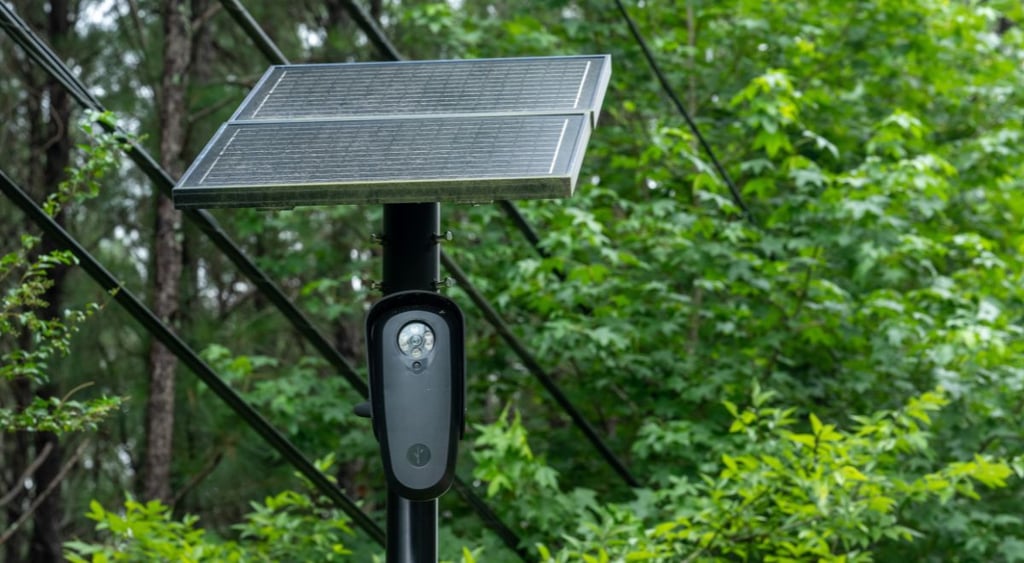
Flock CEO: "We shouldn't pause progress"






The session, titled "AI, Surveillance, and the Future of Public Safety," grilled Langley for about 30 minutes, all while Flock protesters raised signs outside the convention center outside.
Langley, who has previously declared that he wants to install Flock Safety cameras in every city across America, doubled down on the idea that public safety trumps privacy. (See what I did there?).
“If we want to live in a society where, if you commit a crime, you have a higher probability of being held accountable, we shouldn’t pause progress,” Langley said.
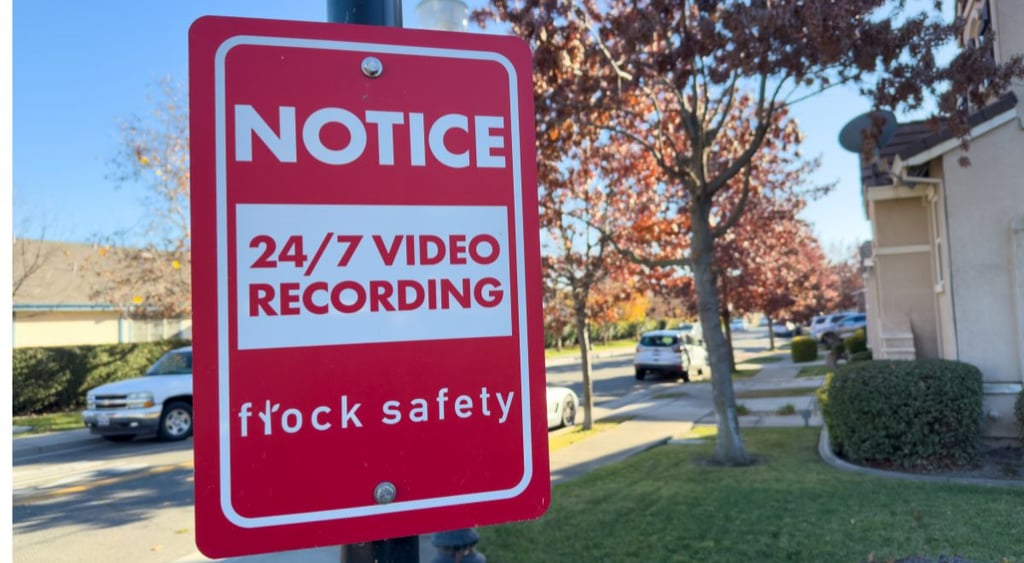
Using self-driving autonomous vehicles as an unwarranted comparison to automated license plate readers (ALPRs), the CEO went on, pointing out that “Technology, at its core, in its definition, is just doing things better. It’s not doing things perfect.”
Driverless cars, I think, is a fair analogy. Driverless cars, I think, are definitively safer than human drivers. And when there’s one accident, I don’t think the answer is to shut down driverless cars,said Flock Safety CEO Garrett Langley about the camera surveillance technology.
The answer is to say, ‘Hey, let’s talk about how we prevent more accidents in the future,’” the CEO said.
Flock CEO insists: "It's just gunshots"
Langley was a bit more obscure when it came to defending the company's new Gunshot Detection feature, actually requiring some clarification from Flock spokesperson Paris Lewbel.
Langley spoke about why they built the product, claiming the idea itself came from customers themselves – and also because, well, “most people don’t call 911 when they hear a gunshot.”
Apparently, already established Flock customers who had Flock cameras in their parking lots suggested, “It would be great if we could get alerted if someone was being abducted, if someone was being harmed.”
And I guess the rest is history.
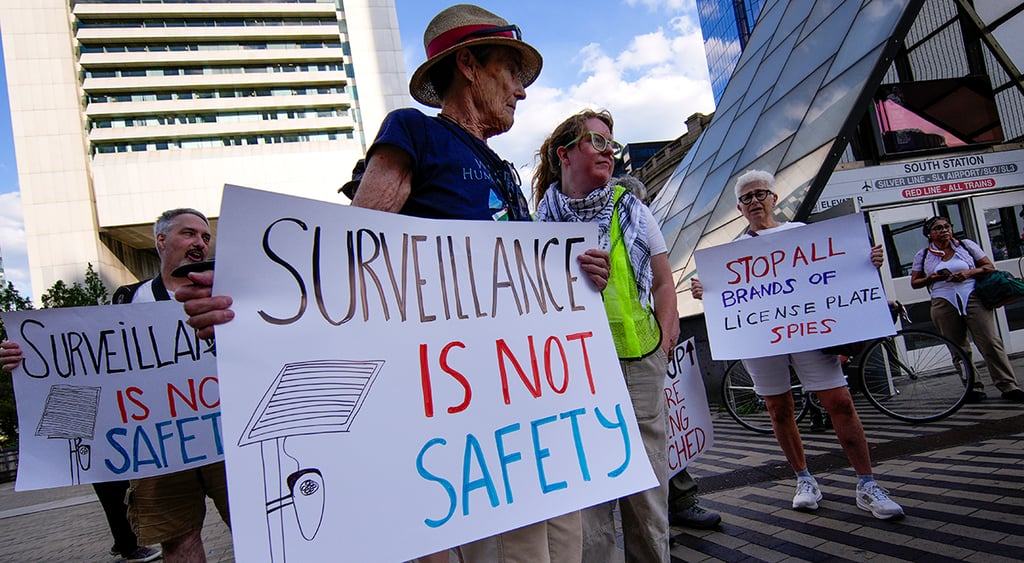
“There’s only a couple customers that were prototyping it with us, and we said, ‘OK, great, it’s just going to do gunshots, plain and simple.’ If a gun goes off, we’ll notify, and if not, that’s all it’s going to listen to,” said Langley, doubling down on the fact “It’s just gunshots.”
In comes Lewbel, who made clear that although “Flock’s gunshot detection technology is primarily used to detect gunfire” it is also capable of “detecting fireworks, sideshows, and potential car crashes.”
The spokesperson made clear that Langley’s remarks were “intended to emphasize that Flock’s Audio Detection technology is not designed to monitor conversations or analyze speech and does not currently detect human screaming or distress.”
Flock vows to fire lawbreaking police departments
Finally, when asked to comment on the multitude of accusations against police officers misusing the surveillance for personal gain, Langley said “If a customer knowingly broke the law, we would fire them immediately. That’s very easy.”
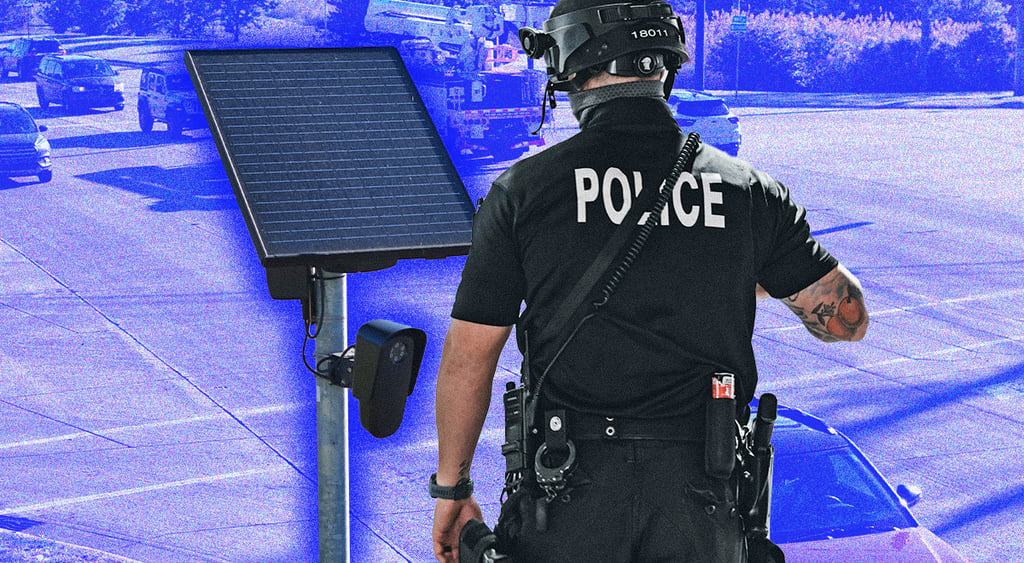
Still, Langley also admitted that as of that day, no department or agency has been reprimanded yet.
“Most of the debate is nuanced into ‘what if two officers out of fifty were caught?’ Today, we haven’t fired any customers, but it’s not off the table in the case of some pretty drastic law-abiding issue,” Langley said.