US lawmakers push “No FLOCK Act” to crack down on police surveillance abuse
Dozens of police officials have been accused of using Flock cameras to stalk wives and girlfriends.
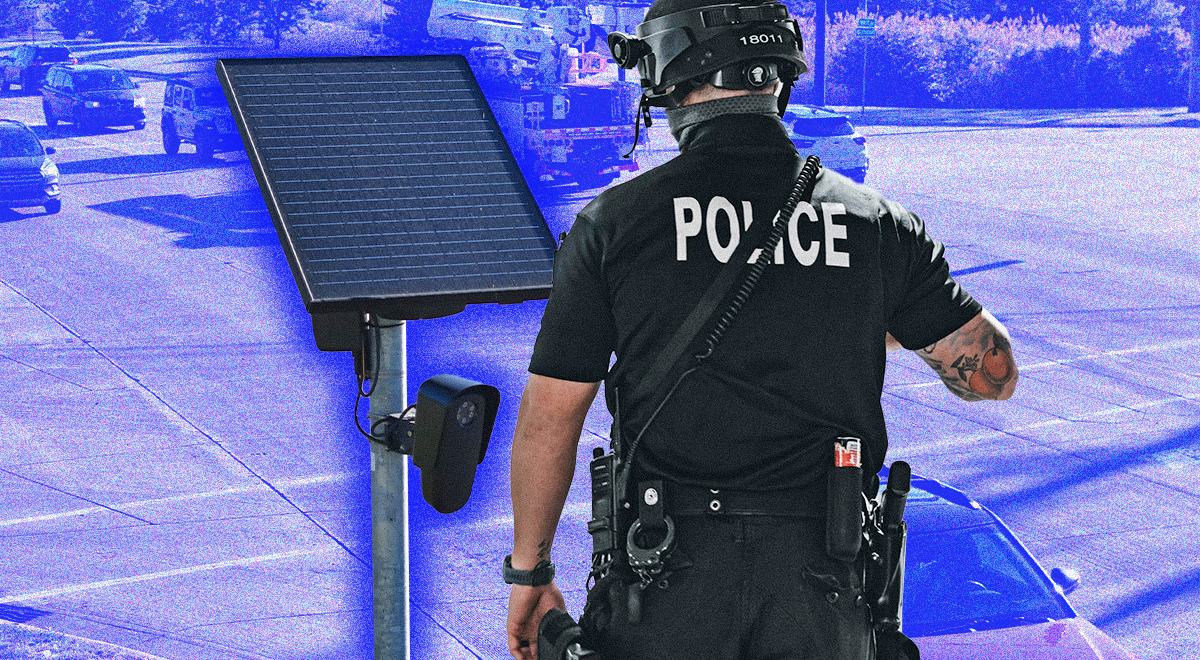
Image by @Lgnwvr/ Unsplash

 Follow us
- House members introduce the No FLOCK Act to limit the use of license plate reader abuse.
- Multiple police officers have faced charges related to blatant personal use of the cameras.
- The bill would force states to put strict limits on when law enforcement can tap into the surveillance devices.
- Non-compliance would result in a loss of federal funding.
Key Takeaways by nexos.ai, reviewed by Cybernews staff.
US lawmakers have proposed a “No FLOCK Act” bill aimed at preventing widespread abuse by local law enforcement – apparently joining most Americans who are fervently opposed to the controversial big brother-like surveillance cameras.
The bipartisan No FLOCK Act, an acronym for No Federal License-Plate Observation and Camera Keeping Act, was introduced by Congressmen Raja Krishnamoorthi (D-IL) and Michael Cloud (R-TX) on Tuesday.
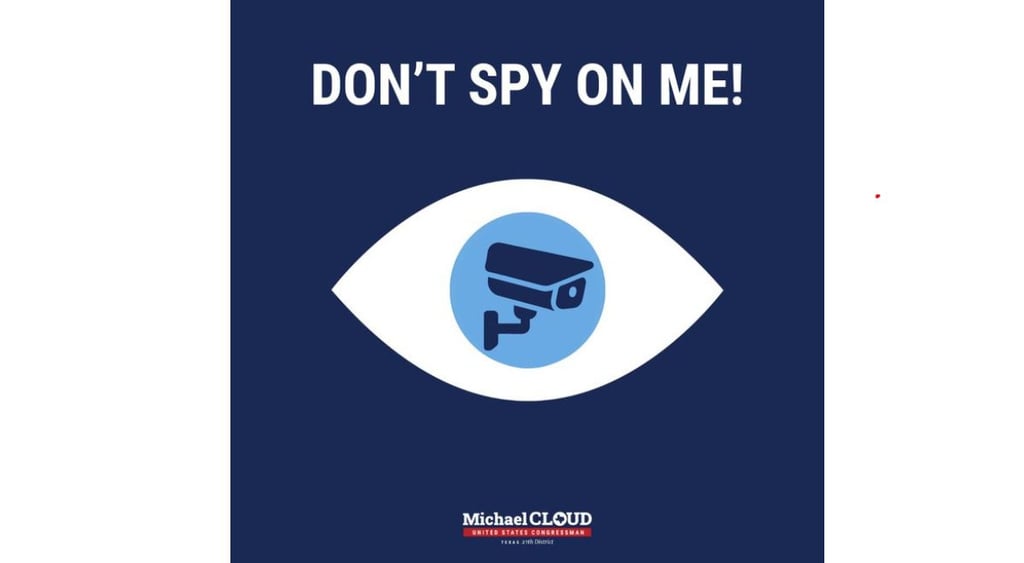
The proposed legislation sends a clear message to state police departments across the nation – if you allow officers to abuse Flock Safety license plate readers, you’ll risk losing a chunk of allocated transportation funds from Washington.





And that goes for the local governments that turn a blind eye to Flock shenanigans, the US lawmakers say.
Police accused of abusing Flock cameras
According to a Washington Post investigation, at least 69 police officials have already been accused, charged with, or convicted of abusing Flock or other license plate reader systems ever since the invasive street lenses began popping up across the nation this year.
The dozens of alleged violations include using the cameras to track wives, girlfriends, former romantic partners, and acquaintances.
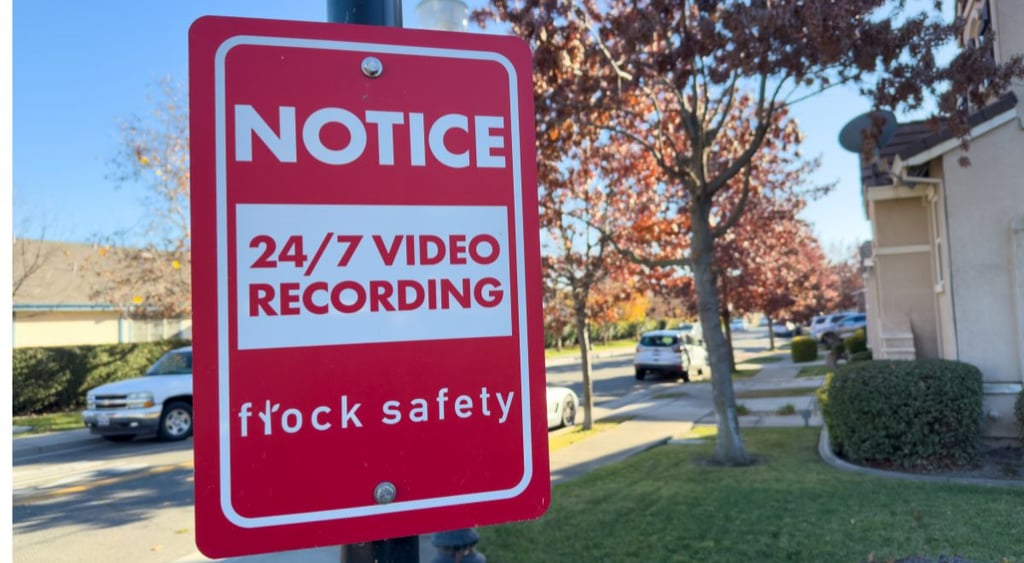
Coinciding with the announcement, the Louisville Metro Police Department released its own “Flock camera transparency portal” this week in an effort to regain public trust after one of its detectives shared their Flock login with someone outside the department.
Automated license plate readers (ALPRs) can be powerful tools for law enforcement to investigate serious crimes and protect our communities – but they must not become tools for officers to stalk ex-partners or spy on people for personal reasons,said Congressman Raja Krishnamoorthi (D-IL), co-sponsor of the No FLOCK Act.
“Our investigation into Flock exposed serious gaps in oversight, and this bipartisan bill would put clear limits in place to prevent abuse while preserving legitimate public safety uses,” he said.
Abuse could cost states federal funding
If the bill makes it through Washington, state governments would be forced to pass their own laws dictating how municipalities and law enforcement could use the cameras – essentially reducing ALPR use to only certain public safety scenarios and tolling.
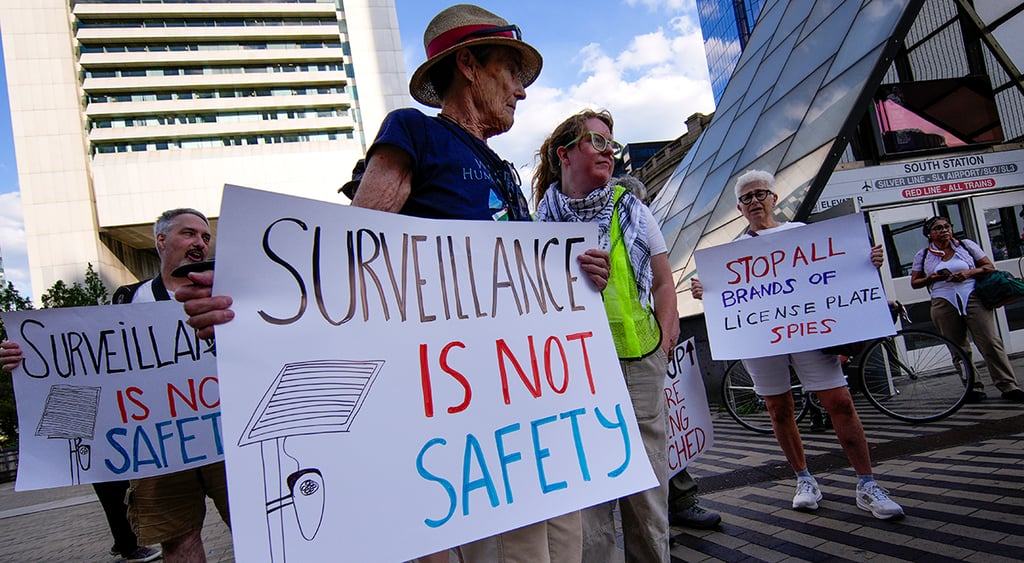
If the states fail to adhere to the restrictions after a two-year grace period, Washington would cut the state’s "federal surface transportation funding" by a whopping 10%, with the reduction withheld each fiscal year.
Taxpayers shouldn't be forced to fund the shredding of their own civil liberties or the growth of a surveillance state.said co-sponsor Rep. Michael Cloud (TX-27).
We can protect public safety without sacrificing the privacy of Americans.
Under the No FLOCK Act, permitted ALPR use would be restricted to:
- enforcing toll systems
- identifying stolen vehicles
- locating missing or endangered people
- identifying vehicles registered to individuals with warrants for felony offenses
- investigating vehicles involved in felony offenses
It’s also not the first anti-Flock bill lawmakers have seen cross their desks this month.
On September 3rd, another bipartisan House duo proposed the “Flock-Off Act,” which, if enacted, would ban governments and municipalities from using federal funds to purchase or operate ALPRs and biometric surveillance cameras.
"Flock cameras are enabling mass surveillance of Americans, infringing on the Fourth Amendment. This [No FLOCK] bill is a first step toward reining in unchecked surveillance," Rep. Cloud said in Tuesday's announcement.




Stay updated with our latest stories and follow us on social media
Be the first to discover new stories, ideas, and updates from our team.