Best heated vest for women in 2026: top picks, safety tips, and what to look for


Staying warm in cold weather often means layering bulky clothing that limits movement and adds discomfort. Heavy jackets and thick sweaters can slow you down during daily routines, like commuting to the office, walking your dog, doing outdoor work, or traveling in winter.
Heated vests offer a more practical solution by using built-in heaters powered by rechargeable batteries. They provide targeted warmth around the core, reduce the need for excessive layering, and help maintain comfort without sacrificing mobility.
Working with the Cybernews research team, I reviewed manufacturer specifications, safety guidance, and aggregated user feedback to identify the most recommended heated vests for women.
Best heated vests for women – shortlist
Check out my top heated vest choices of the year:
- WellaHeat vest – best heated vest for women in 2026
- ORORO [Upgraded] Women's Heated Fleece Vest – quick-heating fleece vest for outdoors
- KOVNLO Heated Vest Women – affordable heated vest with independent heating zones
- ORORO Women's Lightweight Heated Vest – water-resistant vest with long battery life
- Venustas Women's Heated Vest – heated vest with nine color options
5 best heated vests for women – our detailed list
Read these detailed reviews of the top heated vests for women:
1. WellaHeat vest – best heated vest for women in 2026
| Heating zones: | Front chest, upper back, lower back, neck, and sides of the torso |
| Insulation types: | Water-resistant, wind-resistant |
| Battery life: | Up to 8 hours |
| Price: | Mid-tier |
| Best for: | Everyday outdoor warmth |
The WellaHeat vest is a top choice for women seeking reliable warmth without bulky layers, making it one of the best heated vests in the market today. It delivers heat to multiple zones, offers up to 8 hours of battery life, and features lightweight, wind‑resistant materials.
Ideal for everyday wear, the vest keeps you warm during walks, errands, or outdoor tasks. Its simple controls and tailored fit make it easy to layer under jackets while maintaining comfort and mobility throughout the day.
2. ORORO [Upgraded] Women's Heated Fleece Vest – quick-heating fleece vest for outdoors
![Large image for amazon product "ORORO [Upgraded] Women's Heated Fleece Vest"](https://media.cybernews.com/2026/02/319BcUftjEL-SL500-.jpg)
For outdoor use, I recommend the ORORO Women's Heated Fleece Vest for its quick-heating capacity and long battery life. Its soft fleece build warms up fast, is machine-washable for easy care, and stays versatile for daily use.
TSA-friendly battery compatibility keeps travel simple, and the tailored design adds cozy comfort without bulk. Whether you’re walking, hiking, or running errands, this vest brings dependable warmth where you need it most.
3. KOVNLO Heated Vest Women – affordable heated vest with independent heating zones
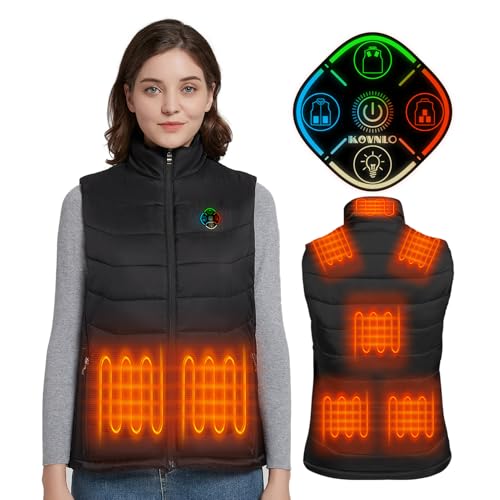
The KOVNLO Heated Vest Women offers independent heating zones for targeted warmth, making it a versatile option for cooler days. Its lightweight design ensures it layers easily over base layers without adding bulk.
A separate battery pack is required, as none is included, which may be inconvenient for many users. On the plus side, it’s lightweight and convenient for outdoor activities.
4. ORORO Women's Lightweight Heated Vest – water-resistant vest with long battery life
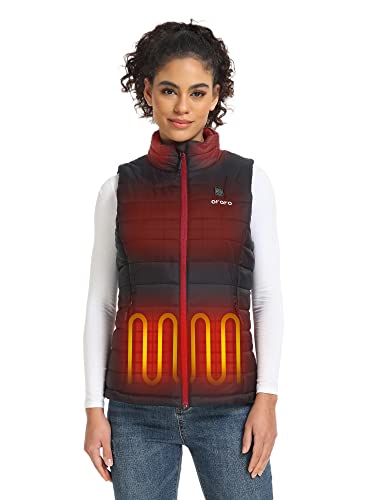
Combining water and wind resistance is ORORO Women’s Lightweight Heated Vest. This model comes in five colors, providing an array of options for different fashion styles, and battery life lasting up to 10 hours.
This vest’s slim profile lets you layer it under jackets or over sweaters. However, its main drawback is that it's more expensive than other models.
5. Venustas Women's Heated Vest – heated vest with nine color options
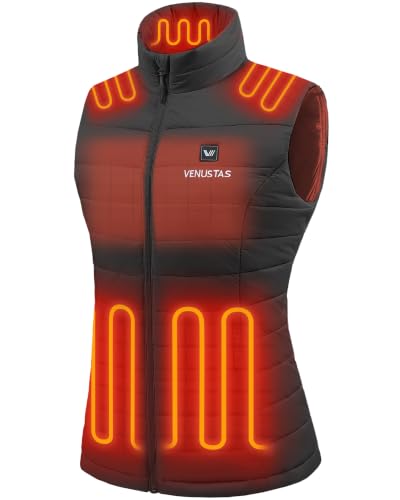
The Venustas Women’s Heated Vest offers larger heating panels than its competitors for broader warmth and comfort. It comes in nine color options (black, gray, white, navy blue, olive green, moss, pink, purple, burgundy), so you get style without compromising on quality.
Its thoughtful construction balances insulation and mobility, while the enhanced heat coverage helps maintain core warmth on cool days. Unfortunately, its battery pack is bulky and heavy when worn in the back pocket.
Our methodology
The Cybernews research team and I evaluated heated vests using the following criteria to produce fair, consistent, and safety-focused recommendations:
- Heating performance and coverage zones (25%). I assessed heating performance by reviewing wattage, temperature range, heat-up speed, and the number and placement of heating zones.
- Battery life and power options (20%). I assessed whether a vest can provide reliable warmth across a full day of typical use, ensuring that a single charge will last you a reasonable amount of time.
- Comfort, fit, and materials (15%). I evaluated how natural the vest feels when worn for long periods and how well it adapts to different body shapes. I also prioritized style and comfort, so you can wear the vest with everyday winter clothing.
- Safety features and certifications (15%). I prioritized safety by checking built-in protections, overheating prevention, battery quality, and any relevant certifications or published safety guidance.
- Ease of use and controls (10%). I reviewed ease of use, analyzing how effortlessly someone can operate the vest in real world conditions.
- Price and long-term value (10%). I considered price and long term value by weighing features against cost, warranty coverage, and durability.
- User reviews and brand reliability (5%). I analyzed overall user sentiment to understand how consistently products meet expectations and whether brands demonstrate accountability when issues arise.
By focusing on consistency and real-world use, this methodology allowed me to single out the best heated vests that people can rely on over multiple seasons.
What is a heated vest and how does it work?
A heated vest is an insulated garment designed to keep you warm using integrated heaters. These heating elements are powered by a rechargeable battery pack. A built-in button or companion app lets users switch between multiple heat levels to match changing conditions.
Most heated vests use either a standard USB power bank or a proprietary battery pack. USB power banks are easier to replace and are more flexible, while proprietary packs are often optimized for the vest but cost more to replace.
Heat zones are typically placed around the torso, upper back, and sometimes the collar. This placement matters because warming the core helps maintain overall body temperature more efficiently.
Features and benefits of heated vests
When choosing a heated vest, a few core features shape how comfortable and practical it feels in everyday use:
- Heat zones and levels. Heaters are built into key areas of the upper body, while adjustable settings make it easy to stay comfortable as temperatures rise or fall.
- Battery capacity and estimated runtime ranges. Larger batteries usually allow for longer wear, but real world runtime still depends on the selected heat level and outdoor conditions.
- Fabric and wind resistance. Durable outer layers help block wind and trap warmth, which keeps the vest useful even when the heat is turned off.
- Fit and sizing considerations. Women’s heated vests are typically tailored with a shaped waist and enough room through the chest and hips to support natural movement.
- Controls and practicality. Physical buttons allow quick changes on the go, while app-based options offer more precise adjustments.
Some nice to have features include warm collars, dual controls, lightweight battery placement, and reflective accents. These features result in comfortable and convenient winter clothing for both indoor and outdoor use.
Best heated vests for women according to users
Across forums and community discussions, users praise heated vests for providing warmth. One reviewer mentions that they’re useful for “sedentary hobbies outside (hunting, ice fishing, shooting) when I’m not consistently generating heat myself.”
However, users don’t recommend heating vests for activities like hiking, running, or skiing, since it may be too warm, even when turned off. Other common concerns also include short battery life and poor sizing. Reviewers often recommend checking return policies, sizing up for layering, and carrying a spare battery for longer outings.
What to look for in a heated vest for women
Look for these factors when choosing a heated vest:
- Vest fit. Look for a vest with a wide size range, room for layering, and smart battery placement. These improve comfort when moving, similar to the fit considerations for the best heated jackets.
- Heat zone placement. Core-focused warmth suits commuting and daily wear, while collar warmth is more useful for extended outdoor exposure, much like what users expect from a heated blanket hoodie.
- Battery runtime. Advertised battery life usually reflects low settings, since maximum heat drains power quickly and may only last a few hours.
- Materials. Wind resistance, lining softness, water resistance, and overall weight affect whether the vest stays comfortable when heat is off, similar to the effect provided by the best rechargeable hand warmers.
- Care. Clear instructions for battery removal, washing, and warranty coverage reduce the risk of damage over time.
Choosing the right heated vest isn’t about picking the most expensive model; it comes down to comfort, warmth, durability.
Heated vest safety, batteries, and fire risk awareness
Lithium-ion batteries used in heated vests are generally safe, but they can pose a fire risk if made poorly or charged incorrectly. Understanding how to handle them properly is key to staying safe while enjoying reliable warmth.
Keep in mind this safety checklist when choosing a heated vest:
- Use the manufacturer-recommended charger or cable.
- Never charge heated apparel unattended, especially on soft surfaces.
- Stop using batteries once they’re swollen or damaged.
- Store packs at moderate temperatures and avoid crushing or bending them.
Following these precautions helps ensure warmth without compromising on safety.
Final verdict: which heated vest is the best?
Choosing the right heated vest depends on your needs and how you plan to use it. Consider the following features:
- Best for daily commuting: The ORORO Women’s Lightweight Heated Vest offers long battery life and versatile styling for everyday travel.
- Best for outdoor work: The ORORO [Upgraded] Women’s Heated Fleece Vest heats quickly and is ideal for brisk conditions.
- Best lightweight layering piece: The KOVNLO Heated Vest Women stays light without bulk, ideal under jackets.
- Best value: The WellaHeat vest delivers core warmth and solid performance at a mid‑tier price.
Regardless of your choice, always prioritize safety. Use reputable batteries and chargers and ensure clear warranty support before you buy.
FAQ
How long does a heated vest battery last on high vs low heat?
Battery life varies by model and heat setting. On high, most vests run 2 to 4 hours, while low settings can last 6 to 10 hours. Factors like battery capacity, outdoor temperature, and heating zone usage affect actual runtime.
Are heated vests safe to wear in light rain or snow?
Yes, many heated vests are designed to resist light rain or snow. However, they’re not fully waterproof. Exposure to heavy moisture or submersion can damage electronics.
Can I use any power bank with a heated vest, or only the included battery?
No, not all power banks are compatible. Only use batteries that meet the vest’s voltage, amperage, and safety requirements. Using the included pack or certified alternatives reduces fire or damage risk.
How do I wash a heated vest without damaging the heating elements?
Remove the battery before washing. Follow the manufacturer’s instructions regarding hand or machine wash, gentle cycles, and low heat drying. Avoid wringing or twisting.
What’s the best way to choose the right women’s fit and sizing for layering?
Look for vests with a shaped waist, adequate chest and hip room, and a size range that accommodates base layers. Check manufacturer sizing charts, read user feedback, and consider whether the vest allows mobility without feeling restrictive.