This content creator is doxxing his followers, and they love it. How does he do it?
“I know where you live.”
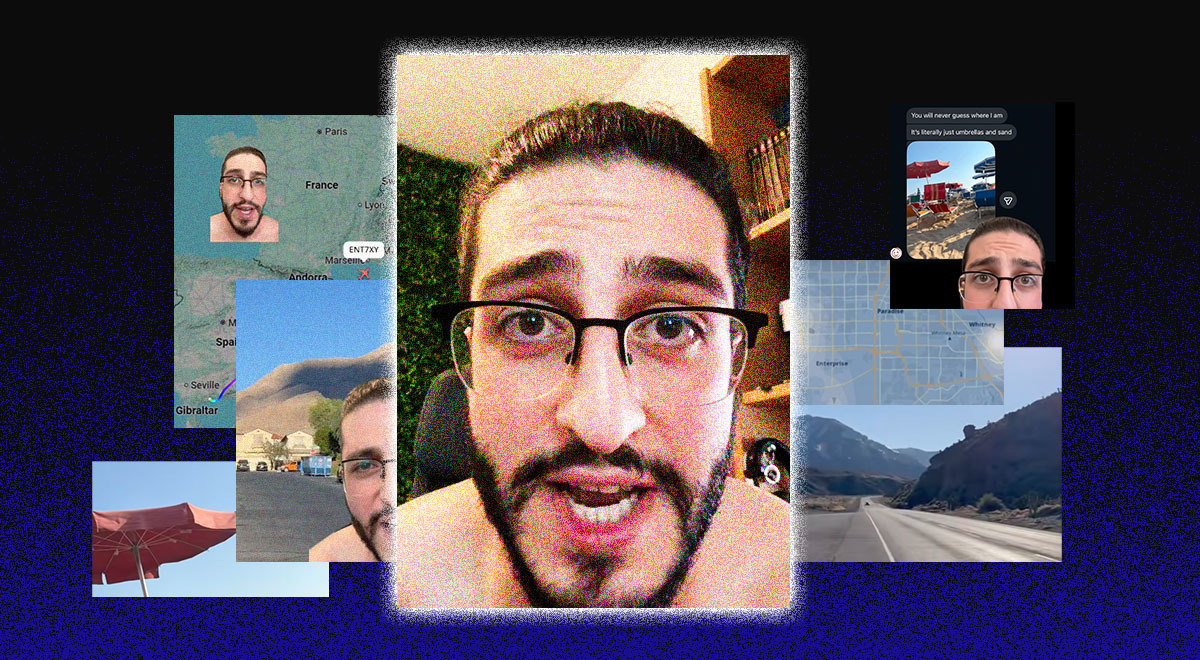
TikTok content creator @guessnotlost. Image by Cybernews

 Follow us
- @guessnotlost has nearly 380,000 TikTok followers who challenge him to locate places from photos or short clips.
- He says most searches take 3 to 4 hours, but simple cases can take minutes.
- He tries to avoid exposing people by blurring faces, addresses, and other identifying details.
- He advises private accounts, varied usernames, safer profile photos, and VPN use to reduce location clues.
Key Takeaways by nexos.ai, reviewed by Cybernews staff.
TikTok creator @guessnotlost gained nearly 380,000 followers by showing it’s possible to find even the most random places online. And people want him to keep doing it.
“My mother took this picture of my father and me, and now they've both passed away, and I don't remember where it was taken. I'd love to go back and take a picture at this exact location again to honor them. Can you help?”
This was a request @guessnotlost received from one of his followers and shared on his TikTok account. Seconds later, the video revealed the exact location where the picture was taken.
“I found it. She was so happy. That's the reason I do it,” the creator told Cybernews.






One evening, while aimlessly scrolling through TikTok, I came across this account run by a man who could guess people’s exact whereabouts just from a photo or a short clip.
The content creator is now being challenged by his followers to find their exact locations from an image alone. The fewer clues there are in the picture, the better.
I soon came across one of his longer videos on YouTube, which showed how he helped find a woman who had lost her phone a year ago and return it to her.
Perhaps, like many, I was soon sucked into watching one short video after another, probably because I could really enjoy them without finding them creepy or invasive.
Nevertheless, it got me thinking about users’ privacy and security, and about how an innocent picture you post could reveal to someone with enough time and resources the clues you leave in it.
Behind the geoguessing scenes
“Whenever I'm making a video at the top of my head, the first thing I think about is I don't want this to come off weird or creepy, and I don't want people to use this to do anything bad,” the content creator, who asked to be introduced by his TikTok username, told Cybernews.
The man became interested in GeoGuessr-like content 3 years ago and started creating his own videos nearly a year ago.
This type of entertainment isn’t a novelty, with creators such as Trevor Rainbolt posting their content for a few years now to millions of followers on the platform.
What makes these videos so entertaining is that in just a 10-15 second clip, users get to see how someone's exact location, the cafe in which they found the best sandwich, or the plane seat they were in can be revealed from insignificant details, such as one’s slipper, or cloud or shadow position.
While going through these short videos, I was curious to know how long it actually takes to find certain places. Hours? Weeks? Months?
The TikToker revealed that it really depends on the case. Sometimes it could take as little as 5 to 10 minutes, but the average time to find the locations was 3 to 4 hours. Images with more abstract clues could even take days.
Was there ever a time when he couldn’t “crack” the location? The creator said that there’s no unsolvable case, there’s just not enough time, especially when you also have to turn the whole process into a piece of content later.



Stay updated with our latest stories and follow us on social media
Be the first to discover new stories, ideas, and updates from our team.
“This is kind of creepy, but I enjoy watching it”
When watching the man’s TikTok clips, it’s hard to ignore the hundreds of comments. Most of these include people sending pictures, hoping that the account owner will take up on their challenge.
“You make me realize I’m not stalking at my fullest potential,” wrote one TikTok user, with others asking him to find them in case they go missing.
I asked @guessnotlost whether he received any criticism. The creator said that while it happens rarely, he does receive messages telling him that what he does is fake or is just too easy.
What about comments calling him creepy?
He believes that he doesn’t face backlash for being invasive because once he finds someone’s location, he doesn’t reveal any information about that person, blurring faces, addresses, and other relevant details.
He also noted that while users might find it kind of unsettling, they still enjoy watching his content.
“The purpose of this is not to actually show where the people are living or where they are. It's to show you that it's possible to do it,” shared the content creator.
How to make yourself harder to find online
According to @guessnotlost, people are actually more self-conscious about what they post now.
“After all these videos came out, people realized how easy it is to find where they are,” the creator said.
Given how much preparation goes into these videos, the content creator also shared insights and practical dos and don’ts to help users stay safer online.
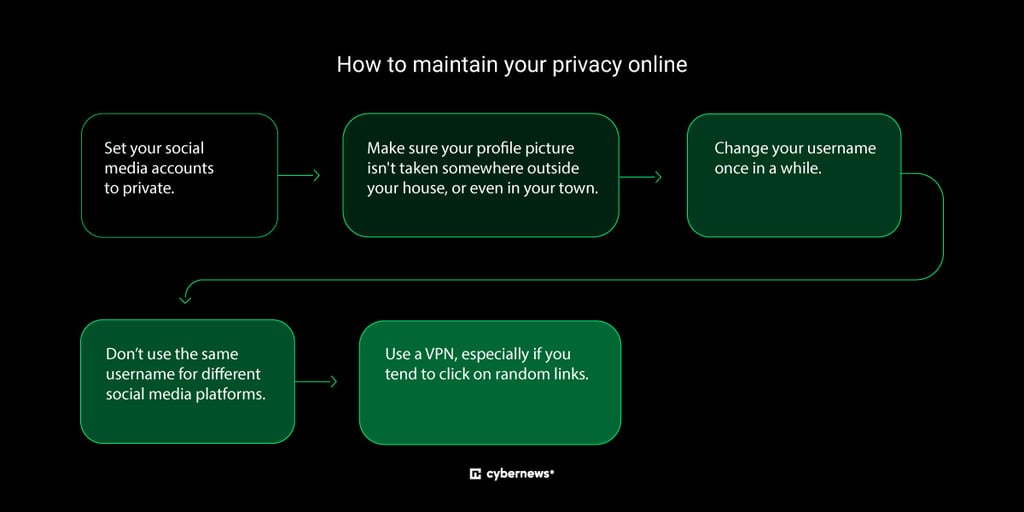
The creator emphasized keeping your social media accounts private because they contain a lot of personal information. He also added that if possible, your profile picture shouldn’t be taken somewhere around your house or even in your town.
“My profile picture on my personal account is just me in front of the Eiffel Tower. That doesn't give anything away,” added the TikToker.
Another useful tip is to change your username once in a while.
“So if you search the new username, you won't see any of the comments they've left with their old username,” concluded the creator.
When it comes to mapping who you are, the TikToker also shared that it’s best to use different usernames for each social media platform, because if you use the same username everywhere, it becomes easier to find every single account you've ever created.
Last but not least, it may also be a good idea to use a VPN to avoid getting your IP address revealed, he said.