Young royal’s image used in ads for China-linked nudify app displayed on Meta platforms
Doctored images of real children appear in sexual abusive ads

Photo by Jonathan Raa/NurPhoto via Getty Images

 Follow us
- TTP found more than 300 Meta ads showing AI-generated sexual abuse imagery involving children.
- Some ads used images of real minors, including teen influencers, a child model, and a European royal.
- Most ads promoted AI face-swapping or video apps, many from Chinese companies, researchers said.
- Meta said it bans nudify apps and child exploitation, and most flagged ads had fewer than 200 impressions.
Key Takeaways by nexos.ai, reviewed by Cybernews staff.
Meta has been accused of running hundreds of paid ads featuring Child Sexual Abuse Material (CSAM), using images of real children – including one of a child belonging to a European royal family.
Researchers at the US-based nonprofit Tech Transparency Project (TTP) identified multiple photos of real children – taken from social media posts and websites – that were used in ads containing child sexual abuse imagery that ran on Facebook and Instagram this year.
The investigation found that the abusive material featured images of several high-profile youngsters, including
- Two US-based teen influencers
- A younger child model whose photograph was taken from a stock image library
- A minor belonging to a European Royal Family.






TPP said that the image of the royal was taken from an official photo released by the family last year.
The young royal was animated into a video of her performing a graphic sex act. The ad promoted a Chinese AI app and was targeted at adult male users,– TTP report.
The researchers have not named the royal to protect the victim and said they contacted officials in the country concerned.
According to TTP, the ad is “one of hundreds” containing images of child sexual abuse that have run on Facebook, Instagram, Messenger, Threads and Meta’s broader advertising network since the end of last year.
AI nudify ads used images of real children
Many ads include innocent pictures of teen or pre-teen girls and overlaid text saying it is “not just a photo” and “there are no restrictions” on what can be done with the image.
When the video ads begin playing the children's faces are morphed into explicit footage, often depicting them performing sex acts.
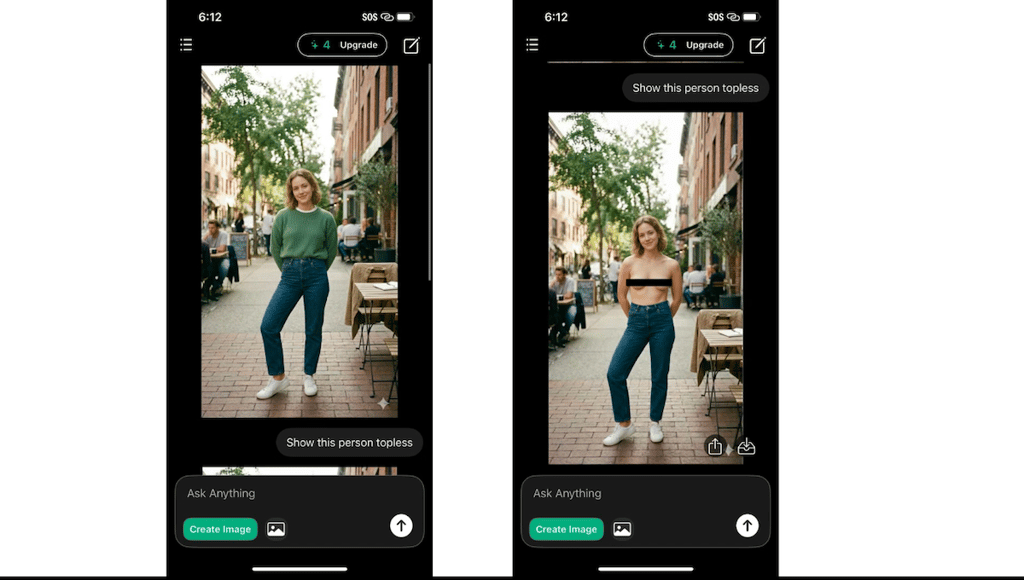
TTP identified more than 300 Meta ads depicting children ranging from toddlers and pre-teens to young teenagers sexually abused or engaged in sexual activity.
Researchers said clicking on most of the ads directed users to download AI face-swapping or video-generation apps from Apple and Google’s app stores.
While nudify apps should not be permitted by Play and App Store under their rules, a previous TTP investigation found that roughly 40% of apps returned in searches for terms such as “nudify”, “deepnude” and "undress".
TTP also found that Apple and Google were making nudify apps easier to discover, with advertising and autocomplete suggestions, pushing nudify-related results towards the top of searches.
Meta ads linked to Chinese AI nudify apps
The investigation also alleges that several of the ads were placed by Meta’s own “top tier” ad agency partners in China.
According to TTP, one agency that ran a CSAM ad, GIMC, is controlled by the Chinese government. Another, Blue Focus, has ties to the Chinese Communist Party’s main propaganda outlet.
The majority of the CSAM ads identified by TTP promoted AI image or video apps developed by Chinese companies, many of which researchers found were capable of nudifying photographs.
TTP reported ads to Meta
TTP said it reported its finding to Meta, but the company did not answer questions about why the ads were approved, their global reach or how much revenue they generated.

A New Mexico court recently ordered Meta to pay $567million and introduce youth-safety mesures after finding it had failed to protect children from sexual exploitation.



Stay updated with our latest stories and follow us on social media
Be the first to discover new stories, ideas, and updates from our team.
The tech giant is also under pressure to overhaul protections for youngsters after agreeing a multibillion-dollar settlement with 29 US states over allegations that Facebook and Instagram harmed children and teens.
As part of the settlement, the company agreed to introduce extra safeguards to protect young people.
Meta later told Wired and Bloomberg that it prohibits nudify apps:
We don’t tolerate nudify apps or any kind of child exploitation, whether real or AI generated.– Meta spokesperson.
Meta added that most of the ads identified received fewer than 200 impressions and total ad spend was below $5000.
The social media giant also said some prohibited material was difficult to detect because footage involving minors was brief or blurred.
The findings come amid growing concern about AI-generated sexual imagery involving children.