Vogue World 2026: top fashion designers forced to watch OpenAI and Unitree invade the runway
Watch designers “slowly die inside” as tech giants infiltrate fashion.
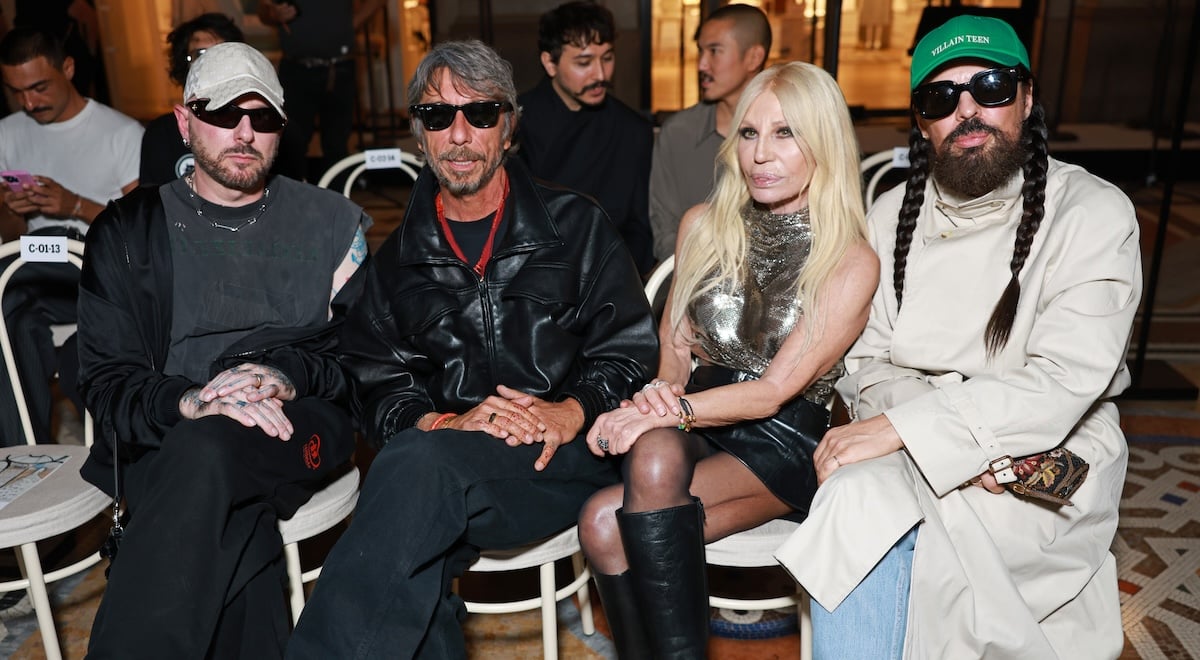
Demna, Piccioli, Donatella Versace and Michele by Arnold Jerocki via Getty

 Follow us
- Vogue World 2026 used China’s Unitree robots during a Milan show celebrating Italian fashion and craft.
- Creative director Juan Costa Paz said the robots represented the start of a new robotics era.
- Front-row reactions from Miuccia Prada and Alessandro Michele drew attention across social media.
- Vogue said OpenAI’s Codex helped engineers test paper dragonflies for the finale.
Key Takeaways by nexos.ai, reviewed by Cybernews staff.
Vogue World 2026 seemingly missed its own memo by inviting China’s Unitree robots to walk the runway and crediting San Francisco-based OpenAI for the event’s “mesmerizing” finale.
The front row of Vogue World 2026 was occupied by some of the greatest names in fashion.
The brains behind Italy’s most coveted fashion houses, Versace, Prada, Valentino, and Gucci, were all sitting front row at Vogue World 2026 in Milan, Italy’s fashion capital.
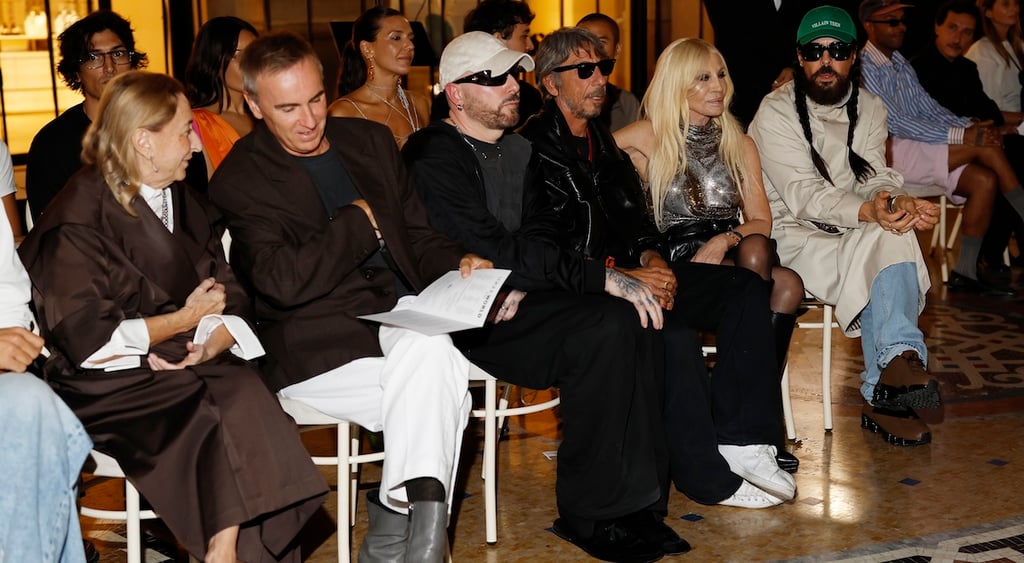




The likes of Versace creative director Pieter Mulier and Prada co-creative director Raf Simons were sitting beside the brand’s inheritors, who transformed these luxury brands into the global names we know today, Donatella Versace and Miuccia Prada.
Vogue World 2026 was framed as a “celebration of Italian fashion, craftsmanship, and creativity in the age of technology.”
However, what these creative directors and fashion designers were faced with was anything but a celebration of human talent.
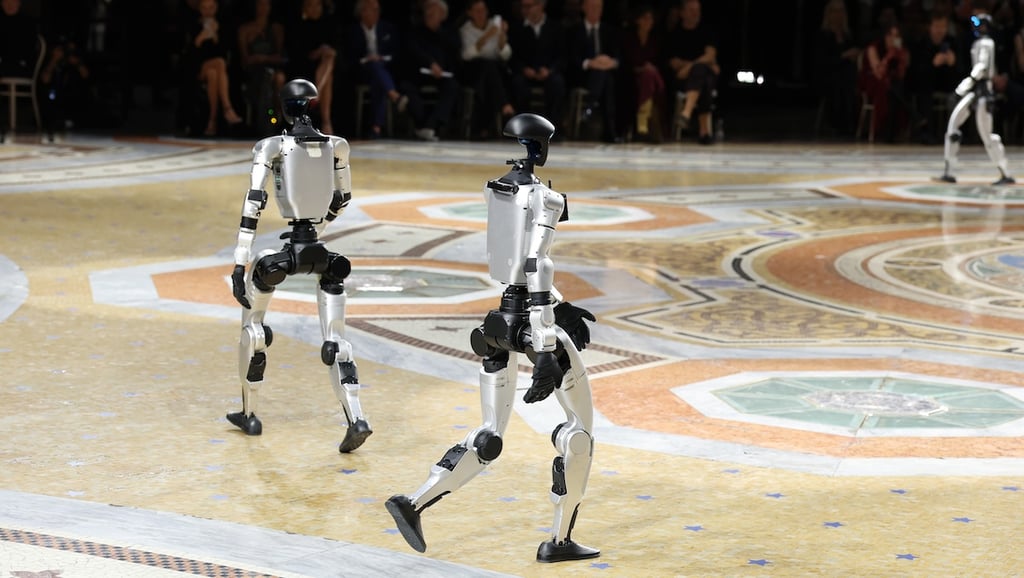
Why did robots invade the Vogue World runway?
Taking place in the iconic Galleria Vittorio Emanuele II, one of Italy’s oldest active luxury shopping arcades, the show consisted of 5 parts meant to showcase Italian fashion at its finest.
However, the fourth act seemingly confused Vogue’s “ode to Italian craft and innovation” with what fashion journalist Sascha Amato dubbed “kitchy Europoor,” with a sprinkle of humanoid robots.
Versace’s creative director, Alessandro Michele, was caught on camera “slowly [dying] inside” as the Chinese robots paraded around.
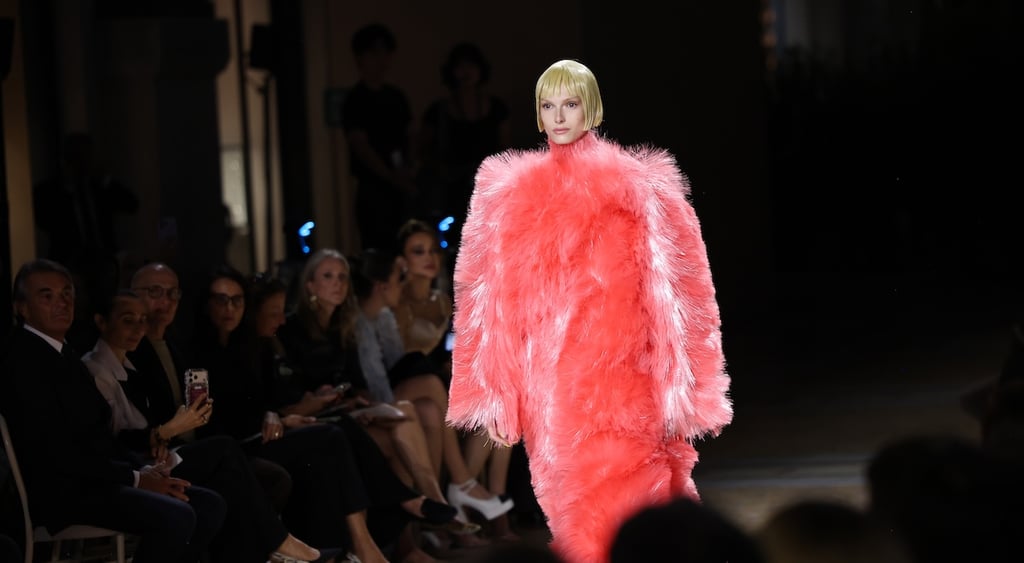
Vogue summoned the Unitree robots to walk alongside supermodels like Alex Consani, Ruth Deng, and Yumi Nu to supposedly represent the uncanny valley we’re all living in.
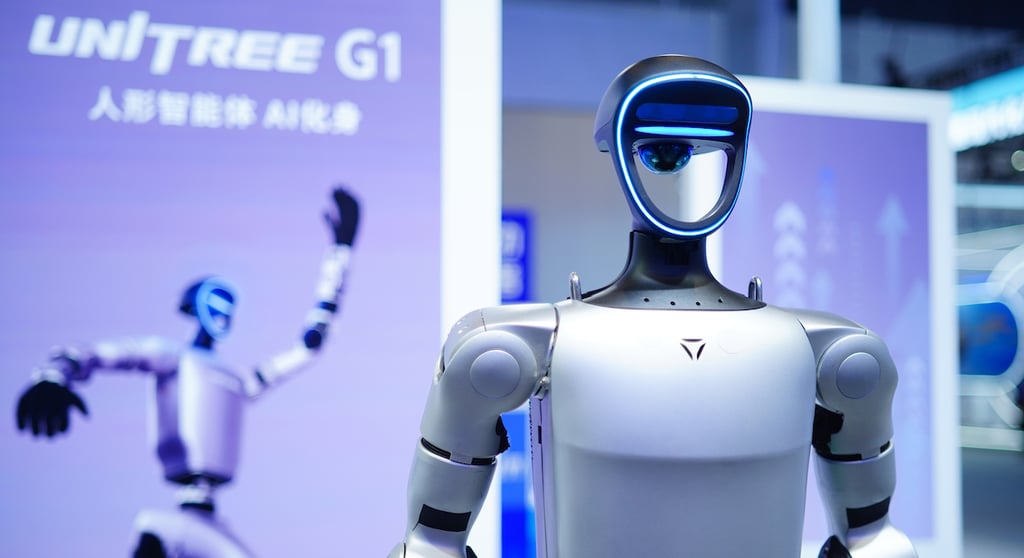
Creative director of Vogue World 2026, Juan Costa Paz, claims that Unitree’s humanoid robots were meant to “represent the very moment that we’re living through, which is the beginning of robotics.
“They’re still very clunky, you know, like how the first cellphones were suitcase-sized, but the robots are meant to be an inflection point in human history,” Costa Paz told Vogue.
The creative also noted that one other reason he included them is that “robots are fun.”



Stay updated with our latest stories and follow us on social media
Be the first to discover new stories, ideas, and updates from our team.
Must see reactions from fashion industry elites
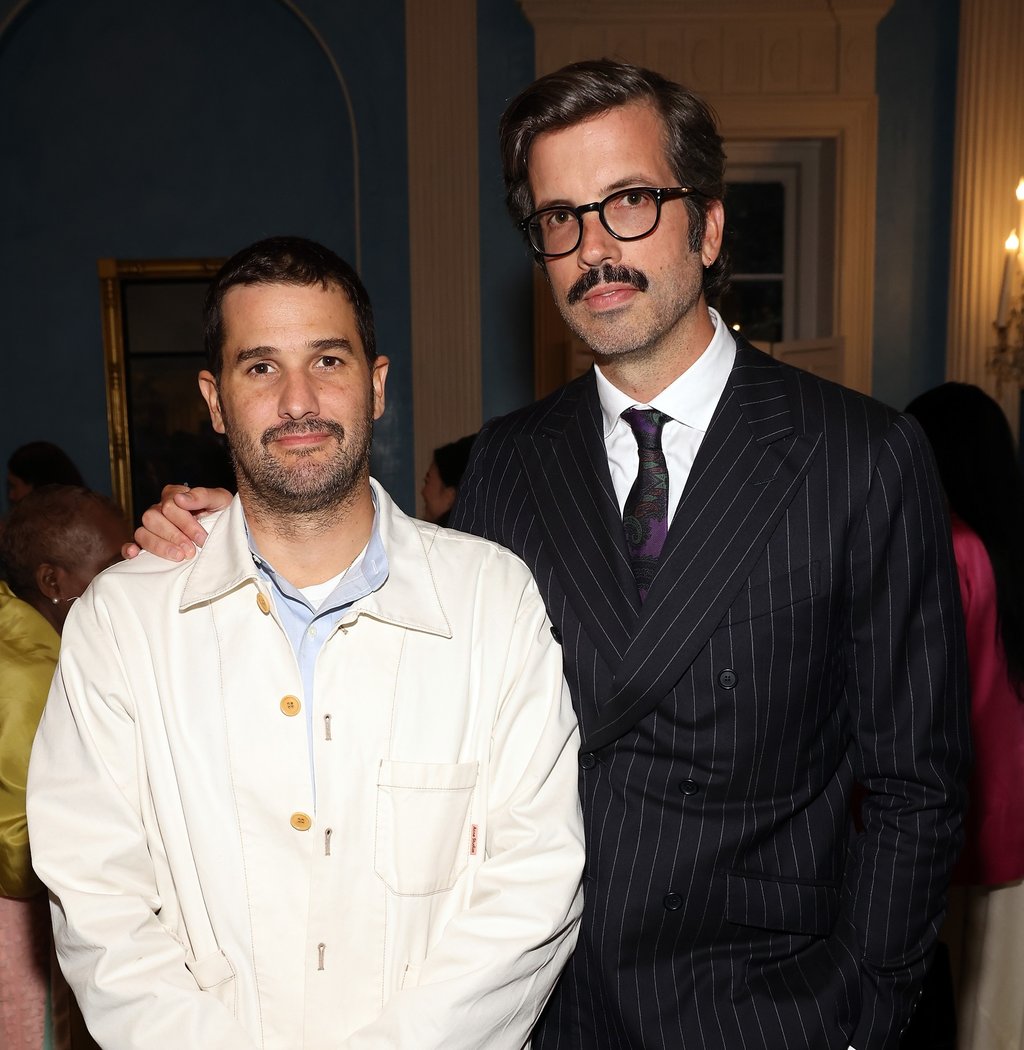
In the front row, Donatella Versace can be seen clapping as the robot models encourage the audience to make some noise, while Valentino’s creative director, Alessandro Michele, stares into nothingness, seemingly rethinking his entire career.
A shot of Miuccia Prada echoes Michele’s sentiments, while Luca Magliano, Italian fashion designer and founder of Magliano, seems to find the display hilarious.
Social media users couldn’t stop talking about Miuccia’s disturbed reaction to the show.
“Miuccia was not fucking with that robot on the runway. I don’t blame her!” said one X user.
The industry has faced criticism for placating tech bros and influencers in fashion shows, and the latest Jeff Bezos-backed Met Gala also included robots for no apparent reason.
OpenAI orchestrated the Vogue World finale
In a homage to human-made craft and innovation, Vogue had OpenAI’s Codex create the fantastical moment that closed the show.
While people fawned over The Devil Wears Prada 2 actress Simone Ashley’s appearance on the runway, others completely missed who was behind the curtain call moment.
OpenAI, specifically its coding and task automation platform Codex, was used by Vogue’s engineering team to create prototypes of the paper dragonflies that fell at the end.
Codex helped engineers build a simulation of the venue to understand what dragonfly clouds might look like at different sizes and densities, allowing them to test the grand finale, according to Vogue.
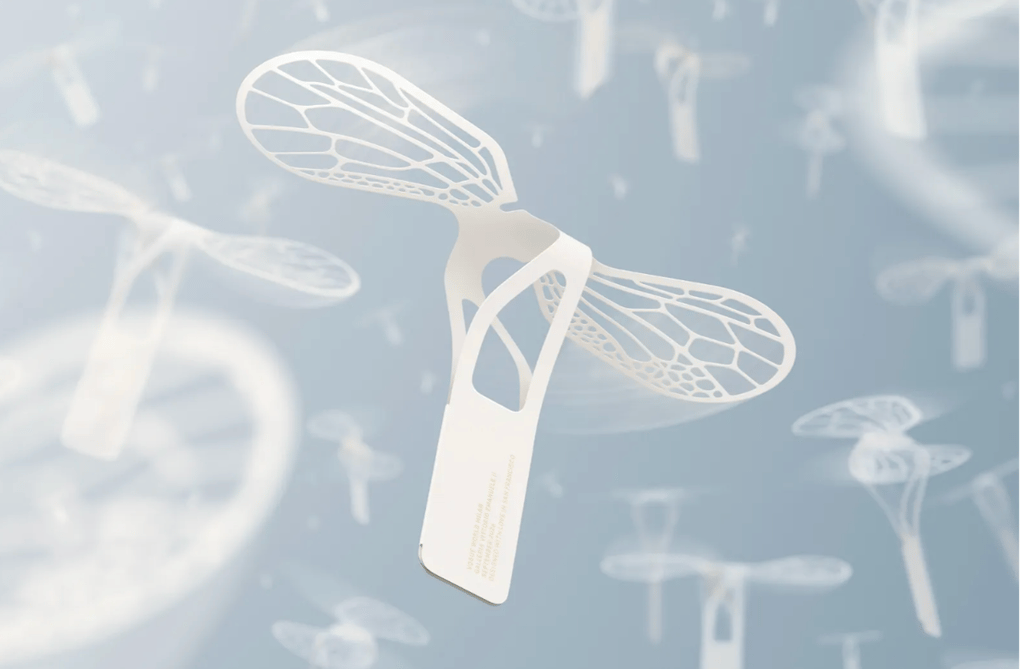
Paper dragonflies, or “libellula,” were designed as a keepsake for guests, with the words “Designed with love in San Francisco” printed on them.
A nod to OpenAI’s San Francisco headquarters, perhaps?