RAM shortage pushes brands to reuse old chips
While affordable, a new phone with a reused chip could suddenly freeze or shut down.

 Follow us
- Some phone makers are using refurbished RAM chips to keep entry-level devices affordable.
- Reused memory accounts for up to 4% of the smartphone market and could more than double by 2027.
- Refurbished RAM can fail if previous use or recycling has weakened the chip.
Key Takeaways by nexos.ai, reviewed by Cybernews staff.
Increasing prices of device components, such as RAM, seem to be forcing some manufacturers to find ways to produce new devices that would remain affordable.
Smartphone manufacturers came up with a solution by repurposing used memory chips for new devices.
Such practice isn’t that common. The share of reused memory in the smartphone market stands at up to 4% this year. And because of the RAM shortage, it could more than double in 2027.







Some entry-level smartphone companies have already begun using re-balled memory components to reduce production costs, Counterpoint Research noted.
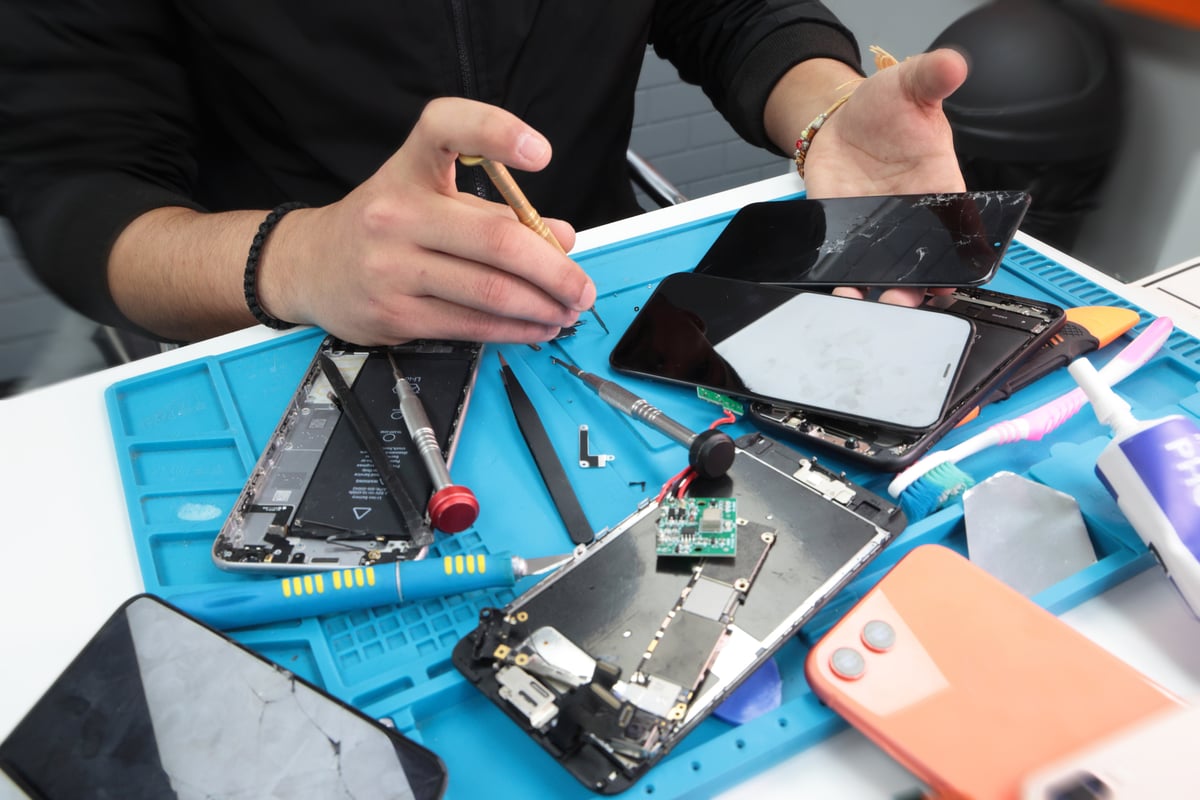
Reballing is the process of refurbishing a used memory chip by replacing older or damaged solder balls, allowing the chip to be installed on another circuit board.
However, it revealed that such “recycled memory adoption remains niche due to technical barriers.”
Refurbished RAM: temporary solution?
Given the ongoing RAM crisis, with mobile DRAM prices expected to rise further, recycled memory components seem to be a good enough solution.
Some chips that have been used for several years could still have a few “good” years left.
For example, the Cricket Ovation 4 smartphone already comes with “reconditioned memory,” as noted by one Reddit user.
However, much depends on the chip memory's previous use and recycling process, according to the news outlet MakeuseOf.
The chip's previous use could diminish its reliability due to wear and tear, electrical stress, or heat exposure.
RAM recycling, also called reballing, requires high heat to remove a chip from an old circuit board and replace used solder balls with new ones. This process also puts strain on the chip.
There’s a possibility that a reused memory chip could cause a device to close apps, freeze, or shut down unexpectedly.
Fighting for components
The surge in AI development has affected not only manufacturers but also users, who first noticed it through their wallets.
The increasing prices make it harder to update devices used for work and entertainment.
And even if price isn’t an issue, some users reported problems when ordering supplies.
Nick Saraev, an AI educator and YouTuber, shared how his Amazon account was closed after he tried to purchase four Nvidia DGX Spark AI supercomputers.


Stay updated with our latest stories and follow us on social media
Be the first to discover new stories, ideas, and updates from our team.
The situation revealed how the company would also cancel orders of NVIDIA GPUs.
While the company didn’t explain the order cancellations and account closures, it’s suspected that this could be how Amazon avoids scalping.
Recently, Sam Altman became a target of backlash and mockery after saying that “it's quite terrible to have everybody have a bunch of the world's limited supply of DRAM sitting in their own computer and being used maybe 5% of the time.
His hint that users are wasting their RAM prompted a developer to create a script that sends a daily email to OpenAI's CEO mockingly reporting how much free RAM each user has.
While Altman received backlash for hinting at how much unused RAM is just sitting there, Microsoft has released a patent for how to employ users’ devices in such a case.
The company introduced a document detailing how PC owners could “lend” their GPU processing power to train AI and get paid for it.
As with many patents, it’s not clear whether Microsoft will implement this system in the future.
Nevertheless, it still hints at how users and their devices could become essential in further tech development.