RoomGPT
Last updated: June 16, 2026
What is RoomGPT?
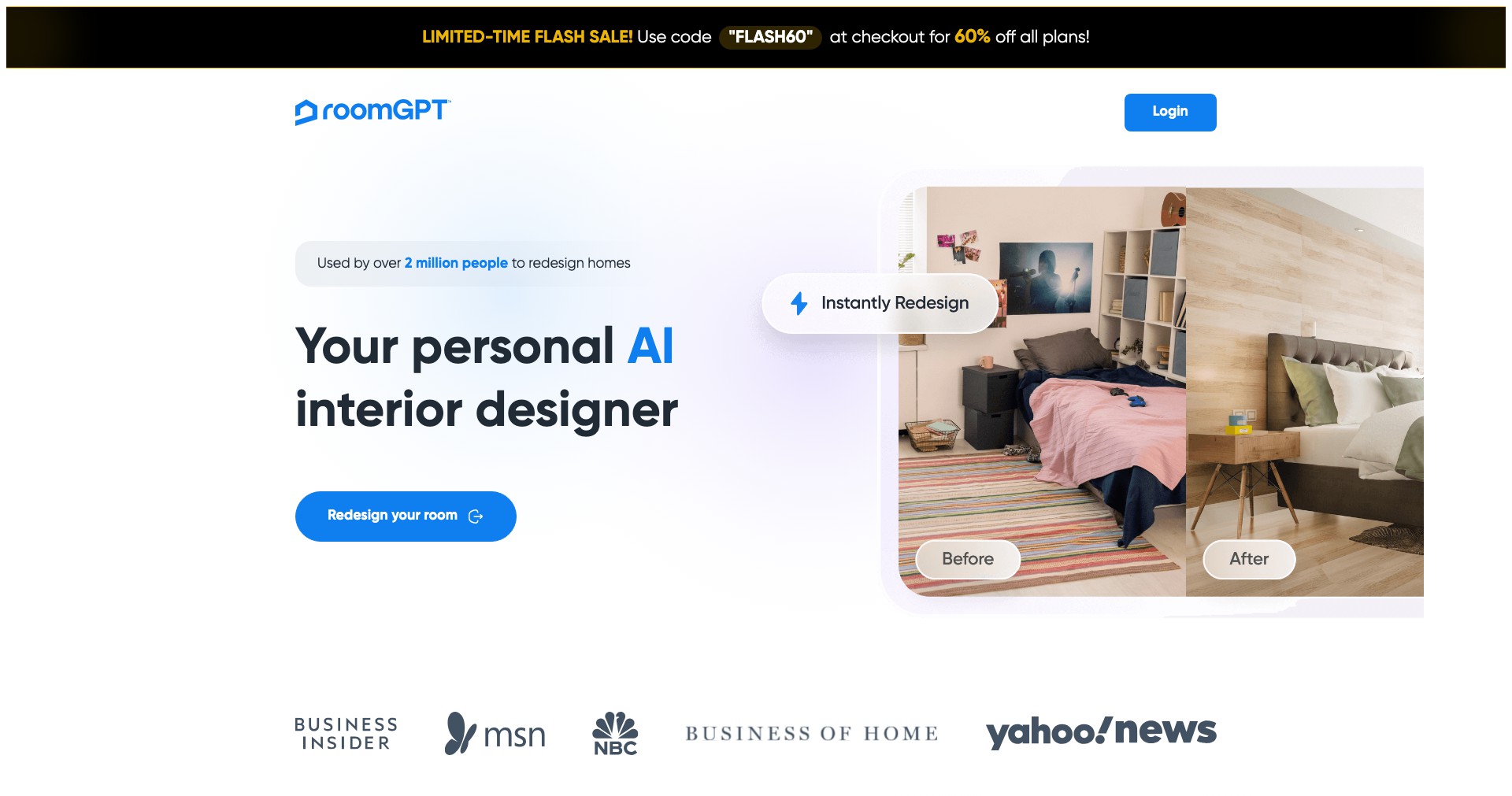
RoomGPT is a cutting-edge AI tool that reimagines your living spaces with the power of generative technology. Users simply upload a photo of any room, select a desired style or theme, and let RoomGPT produce an array of stunning design concepts within seconds. This can be a game-changer for those seeking inspiration for home improvement or staging ideas.
Perfect for both professionals and everyday users, RoomGPT lowers the barrier to interior design by making visualization effortless and accessible. It operates entirely online and supports multiple room types and design themes, providing fast, creative solutions for home transformations.
Key Features:
-
AI-Powered Redesigns:
RoomGPT employs advanced AI algorithms to suggest realistic and creative redesigns of any uploaded room photo, eliminating the need for manual mock-ups. -
Multiple Design Styles:
Users can choose from a variety of popular styles—modern, minimalist, farmhouse, industrial, and more—to see how their space could look with different aesthetics. -
Instant Before-and-After Visualization:
RoomGPT creates side-by-side comparisons, helping users immediately see the potential impact of design changes without guesswork. -
Supports Different Room Types:
The platform works with various spaces, including bedrooms, kitchens, living rooms, offices, and even outdoor areas, making it flexible for diverse projects. -
Easy Sharing and Downloading:
Finished redesigns can be quickly downloaded or shared with friends, clients, or contractors, streamlining collaboration and decision-making.
What makes RoomGPT unique?
What truly sets RoomGPT apart is its simplicity and speed. Unlike traditional design software which often has a steep learning curve or requires professional expertise, RoomGPT is intuitive and requires no prior design experience. The AI's ability to render stylish and photorealistic room transformations in seconds is a major leap compared to manual or CAD-based alternatives.
Additionally, RoomGPT is web-based and doesn't require any software installations. Its pay-per-image pricing model allows users to try the service for free and then purchase additional credits as needed, making it cost-effective and adaptable for both casual and professional users.
Pros and Cons
Who is using RoomGPT?
Homeowners and Renters: Individuals looking to modernize or redecorate their living spaces can use RoomGPT for inspiration, visualizing different interior design possibilities without commitment or professional fees.
Interior Designers and Decorators: Professionals can leverage RoomGPT to quickly create visual drafts for client presentations, speeding up the ideation process and helping clients better visualize proposed changes.
Real Estate Agents and Property Stagers: Agents can showcase transformed properties with various design styles, enhancing property listings and attracting buyers by highlighting potential room upgrades.
RoomGPT Evolution
Since launch, RoomGPT has expanded its room and style support, regularly adding more customization options based on user feedback and industry trends. The AI model itself has also improved, yielding more realistic results as it learns from thousands of user uploads.
A key milestone was the introduction of the pay-per-image credit system, allowing users to sample the platform risk-free before purchasing more credits. This has enabled greater user adoption and flexibility.
RoomGPT continues to enhance its platform by improving AI rendering quality, supporting more image types, and exploring integrations with design, renovation, and e-commerce partners for future expansions.
Pricing
| Plan | Price | About |
| Free Trial | $0 (one-time) | New users receive a limited number of free images to try the service. |
| Pay-Per-Image Credits | $3 for 10 credits; $7 for 30 credits; $15 for 80 credits (as of June 2024) | Purchase credits to generate additional AI room redesigns as needed. |
Verdict
RoomGPT stands out as a fast, user-friendly, and accessible interior design tool, delivering near-instant design inspiration to anyone with a smartphone or computer. Its pay-per-image model combined with a free trial makes it inviting for all user types, from casual decorators to seasoned professionals.
While it may not replace highly detailed, custom design work, RoomGPT is an excellent solution for ideation, client presentations, and user-driven experimentation. Its strengths in usability and speed far outweigh its limitations, especially for those seeking quick visualizations over technical design intricacies.


