AI is renting people's faces for $15 – and business is booming
Hustle culture is apparently evolving right in line with the artificial intelligence takeover.
Image by Cybernews.

 Follow us
- People are licensing their faces to AI companies for as little as $15 to become digital actors.
- China’s booming micro-drama industry is creating fresh demand for cheap, endlessly reusable AI-generated performers.
- Licensing your face to AI could mean your digital likeness lives far beyond a single project, raising new concerns about privacy and consent.
Key Takeaways by nexos.ai, reviewed by Cybernews staff.
People looking to make a quick buck are renting their faces to AI companies for as little as $15 – hoping to cash in on the booming new “micro-drama” industry and become the next digital AI star.
It's an unusual new side hustle emerging in China, where there is fresh demand for real human faces that can then be AI-copied, altered, and reused across myriad platforms and productions – and all for one price.
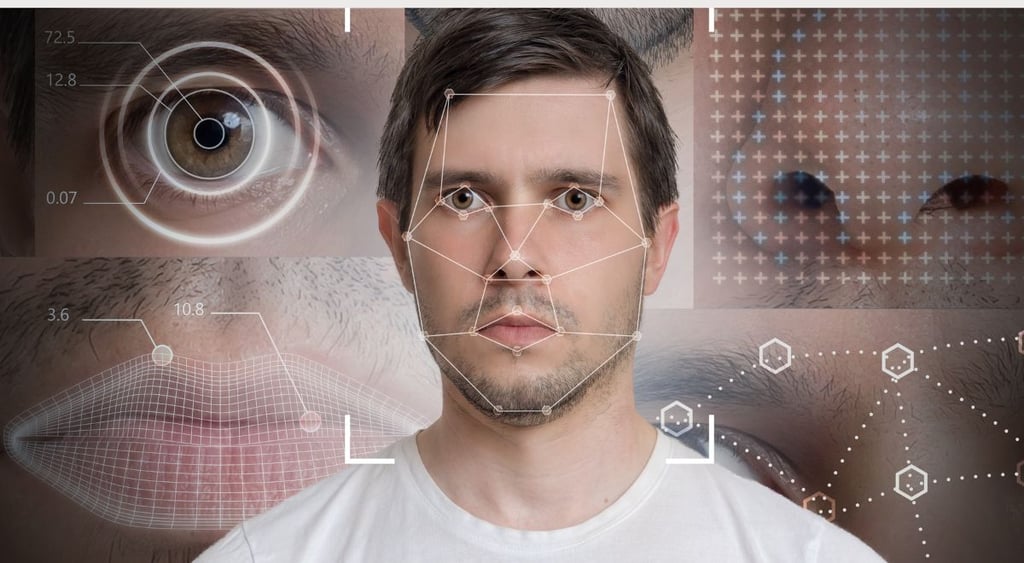
Would you rent your face to AI for $15?





From online ads to the latest micro-drama craze, real models and actors – instead of fighting the inevitable AI-fueled evolution taking over the entertainment industry – have decided to embrace it, offering up their likenesses to be digitized in perpetuity.
And apparently, people are signing up in droves to do so, according to a new report by Rest of World.
There are now dozens of online platforms popping up on the web, searching for humans - from ordinary people to models, influencers, and professional extras – who are willing to license images of their faces for AI-generated content.
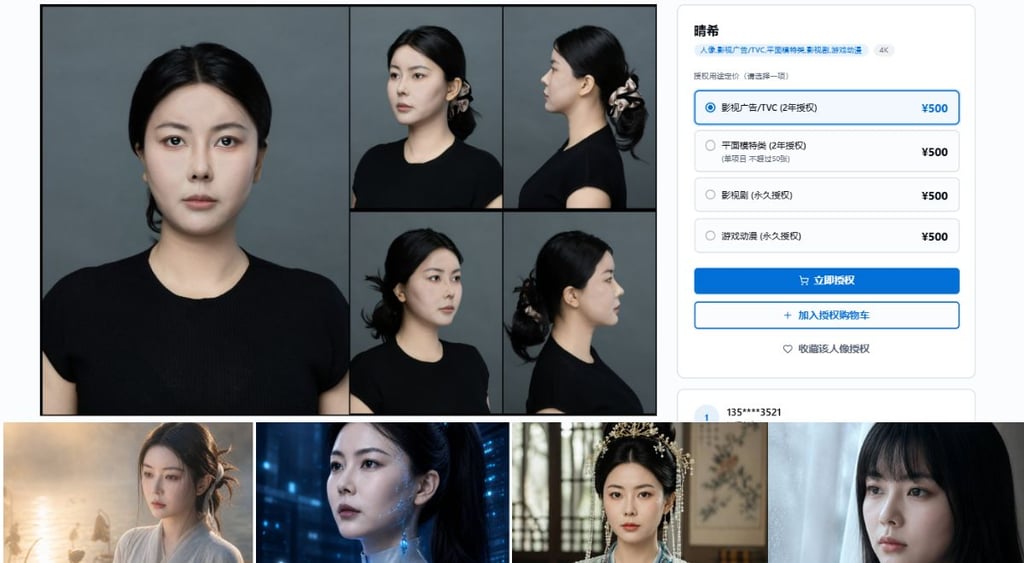
These online “talent agencies” are said to pay pre-digitized humans anywhere from a mere $15 to a more respectable $700 per license – all depending on the platform, intended use, and number of productions involved.
Digital performers set their own prices and can place restrictions on where their AI likenesses may appear, Rest of World said.
How the AI face marketplace works
Whether comedy, romance, thriller, commercial, or video game, short- or long-form, apparently there is something – or someone – to satisfy even the most discerning creatives.
Producers can browse catalogs of available faces by age, gender, appearance, and even dramatic category – including “girl-next-door,” “rugged,” and “supermodel” – before choosing their preferred digital performer.
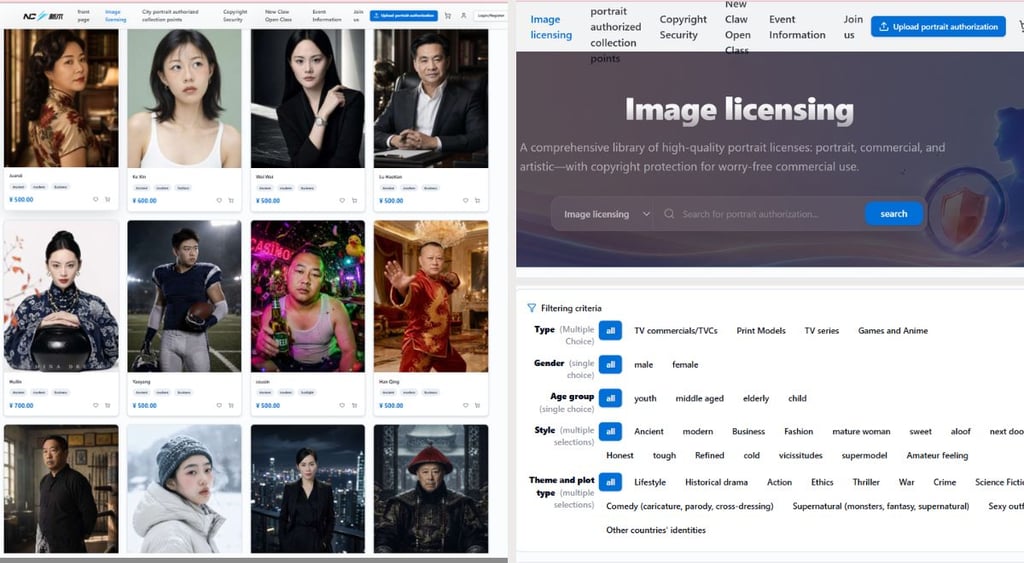
One Shenzhen-based platform, ActID, launched in March and has already registered roughly 800 users.
Once the person is AI-generated, they never have to worry about acting, memorizing lines, or even how they look – a perfect job for the introverted Gen Zer, or any socially awkward human, for that matter.
“AI-generated dramas don’t require acting ability anyway; [the faces] serve as source materials,” ActID marketing chief Camille Yan told Rest of World.
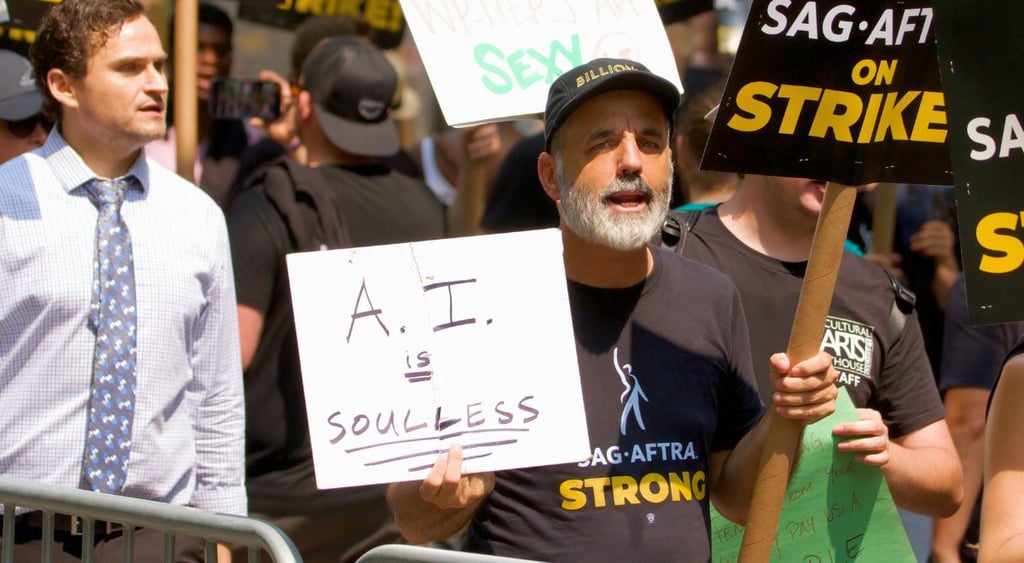
Out of the 300 who have agreed to license their images, two AI drama productions have already purchased about ten faces through the platform.
ActID takes a 10% commission from what the digital actor is paid.
Micro-dramas fuel the AI face boom
Demand is being driven partly by China’s rapidly expanding micro-drama industry – ultrashort, vertically formatted series designed to be watched on mobile phones.
If you've never scrolled past one of these video shorts, the episodes – often just one to two minutes long – are designed to hook viewers with high-drama plots and cliffhangers revolving around billionaire romances, revenge stories, family feuds, crime thrillers, and fantasy adventures.
Think telenovela in under 90 seconds.
In fact, TikTok earlier this week announced its own micro-drama feed while Wired reported that the AI melodrama slop is beginning to take off on Elon Musk's X as well.
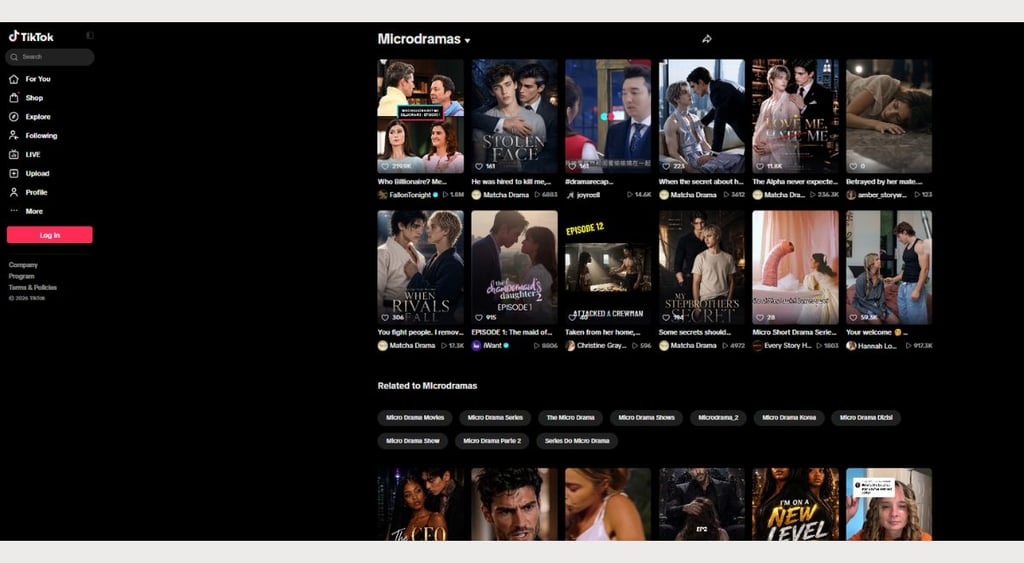
Rest of World futher reports that China released some 128,000 micro-dramas in Q1 2026, with more than 95% using AI somewhere in the production process.
According to one AI talent agency head, AI allows producers to create characters, backgrounds, scripts, and entire video sequences faster and more cheaply than traditional productions.
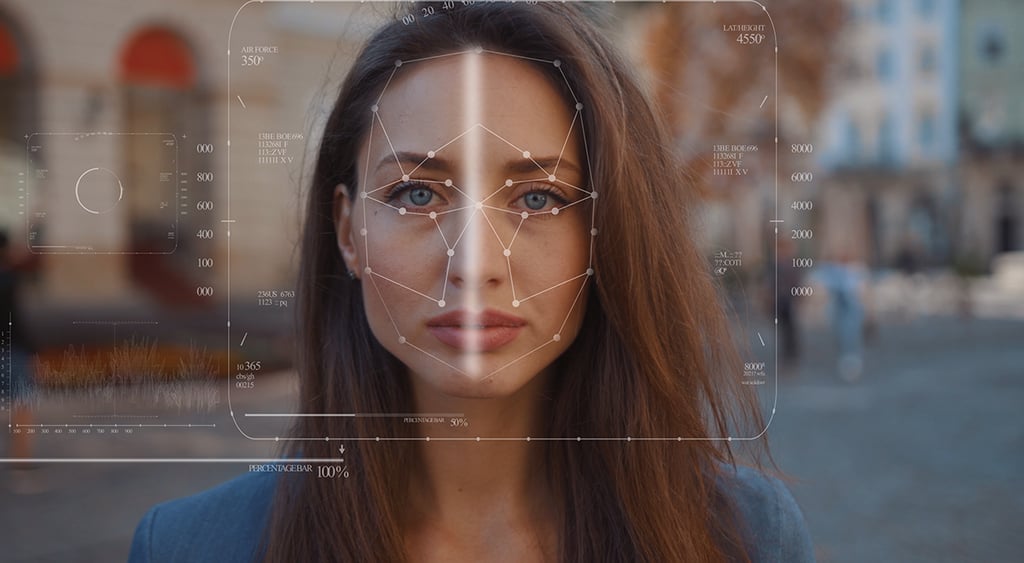
They say that licensing a real person’s face can also help AI characters look less synthetic.
Digitizing oneself can also be an advantage for aspiring A-listers, allowing them “to still earn while continuing their careers offline,” the insider said.
Once your face enters AI, who controls it?
While AI face licensing may still be in its infancy here in the States, the much larger concern is what happens to that likeness once a person voluntarily uploads their face to one of these platforms.
Besides AI-generated actors contributing to the demise of the entertainment industry as we know it, questions about privacy, consent, and who ultimately would own your digital identity are plentiful.

TikTok parent company ByteDance was reported to have already removed more than 85,000 videos involving unauthorized AI reproductions of people’s faces and voices since the beginning of 2026.
Putting a positive spin on the dangers, the Chinese talent agencies cashing in on supplanting the human race say formal licensing agreements may actually give people more control over their digital identities.
They argue that controlling your own digital identity could help clearly define its usage and even help societies develop and pass new laws governing the legal ramifications of so-called “face theft.”
When face theft becomes identity theft
Fair point, but these arguments bypass the entire issue of what happens when someone steals your digital likeness – not just to exploit it commercially, but with the intent of gaining unauthorized access to your biometric identity.
This would undoubtedly open up an entirely new can of worms, especially as more platforms move toward facial recognition technology and biometric multi-factor authentication – the security risks are endless.
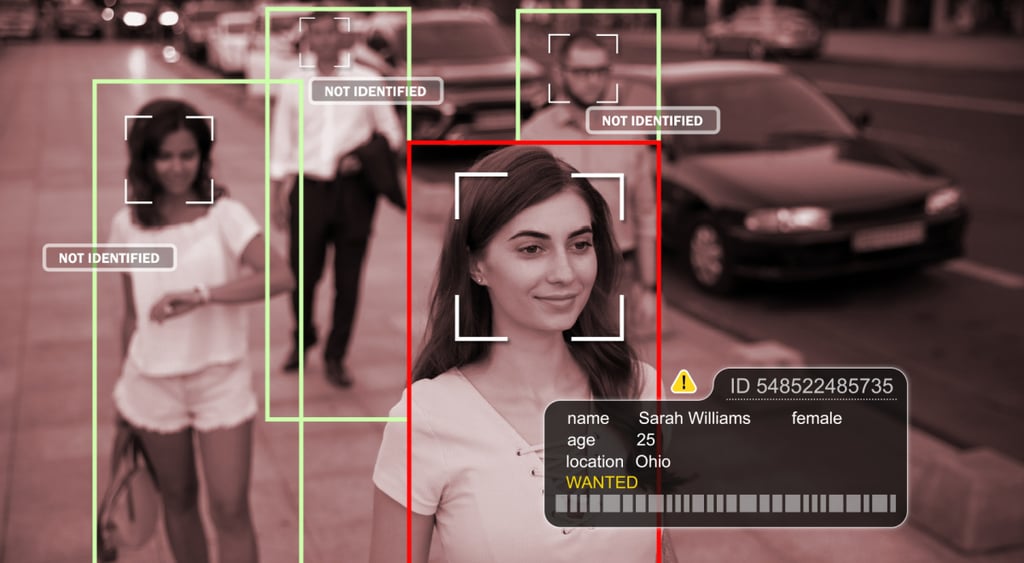
What happens when a hacker breaks into one of these AI talent platforms and gets hold of not only your biometric data but also the sensitive personal and financial information stored with it?
From Flock cameras to Apple’s Face ID to Sam Altman’s World platform and its biometric-capturing orbs, privacy advocates warn of bad actors – and even your own government – harvesting biometric data to create databases for tracking individuals, creating harmful deepfakes, and carrying out supercharged identity theft.



Stay updated with our latest stories and follow us on social media
Be the first to discover new stories, ideas, and updates from our team.
And it appears to already be happening. Rest of World reports that China’s Guangzhou Internet Court has handled roughly 700 AI-related face-theft cases in just the past three years.
Suddenly, that $15 payday doesn't seem quite so appealing.
Has your password leaked?