Anime star scores a landmark victory against TikTok AI voice clone
The victory is only moral, though.
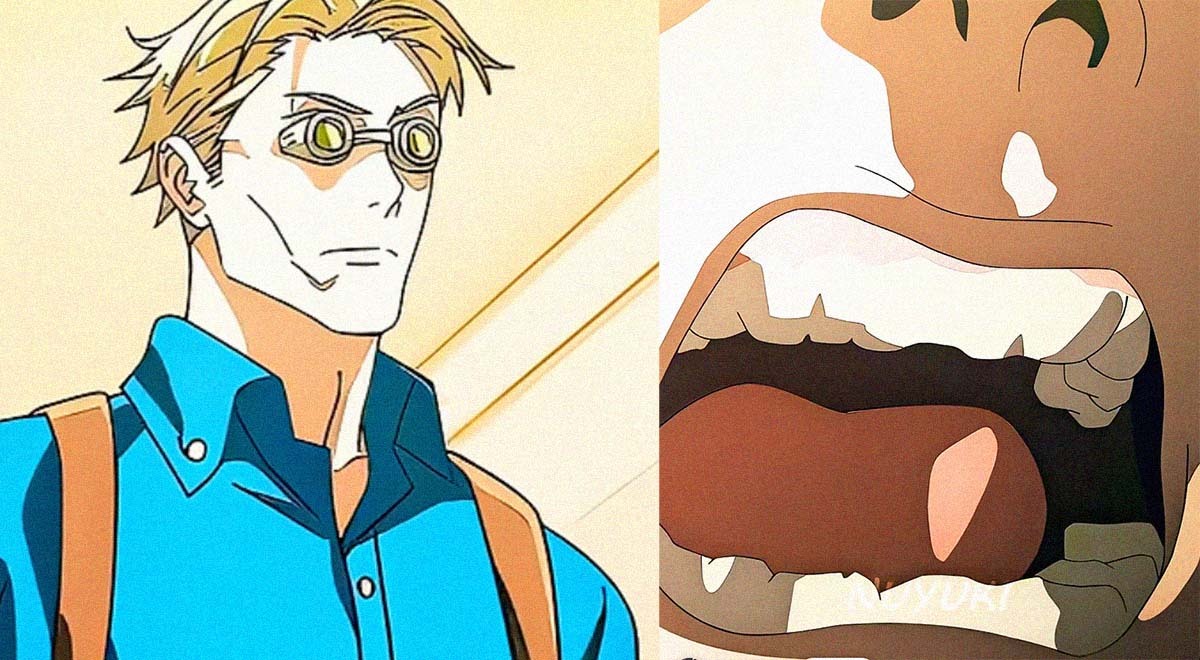
Screenshot from YouTube shorts, Nanami 4K Edit/ Jujutsu Kaisen

 Follow us
- A Japanese court said unauthorized commercial use of a performer’s voice can infringe publicity rights.
- Voice actor Kenjiro Tsuda sued TikTok over videos he said used an AI clone of his voice.
- The account reportedly had more than 200,000 subscribers and could earn about $3,200 a month.
- TikTok argued the narration was a generic male voice, but the user later removed the videos.
Key Takeaways by nexos.ai, reviewed by Cybernews staff.
A court in Japan has ruled that the human voice has legal protections after a well-known anime voice actor took TikTok to court over videos he says feature an AI clone of his "lustrous" baritone.
The case centered on a number of TikTok videos narrated by a voice that sounds like Japanese actor Kenjiro Tsuda's – a voice Tsuda claims can only be his.
Tsuda, who, per his legal team, has a “lustrous baritone,” is famous for roles in the popular dark fantasy manga and anime series Jujutsu Kaisen, where he plays fan-favorite Kento Nanami, an office worker-turned-jujutsu sorcerer.
TikTok, however, argued it is a "generic male voice" whose perceived similarity to Tsuda's is subjective at best, according to court records accessed by Agence France-Presse.


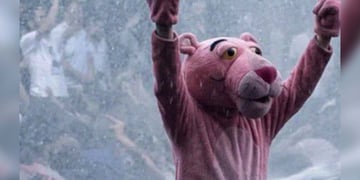
The anonymous account, whose picture resembled a "Jujutsu Kaisen" character dubbed by Tsuda, combined images and AI-generated speech about urban legends, occult phenomena, and conspiracy theories.
At one point, the account boasted more than 200,000 subscribers and would have brought in upwards of 500,000 yen (US$3,200) in monthly revenue, the legal complaint argued.
Tsuda's team added that the account only gained traction because "its dubious, sordid content was narrated by the attractive voice of a popular actor".
Judge establishes legal precedent
Judge Aya Takahashi ruled that "The unauthorized use of a performer's voice ... can be considered an infringement on publicity rights if the purpose of using that voice is exclusively to take advantage of its commercial appeal."
The human voice is as symbolic of one's personality as portraits are,rules Judge Aya Takahashi, of Tokyo district court.
The verdict was more about establishing the legal principle than awarding the actor any financial compensation.
And the judge ruled that TikTok was "no longer obliged to delete" the videos in question because the anonymous user behind them had taken them down several months after the lawsuit began.
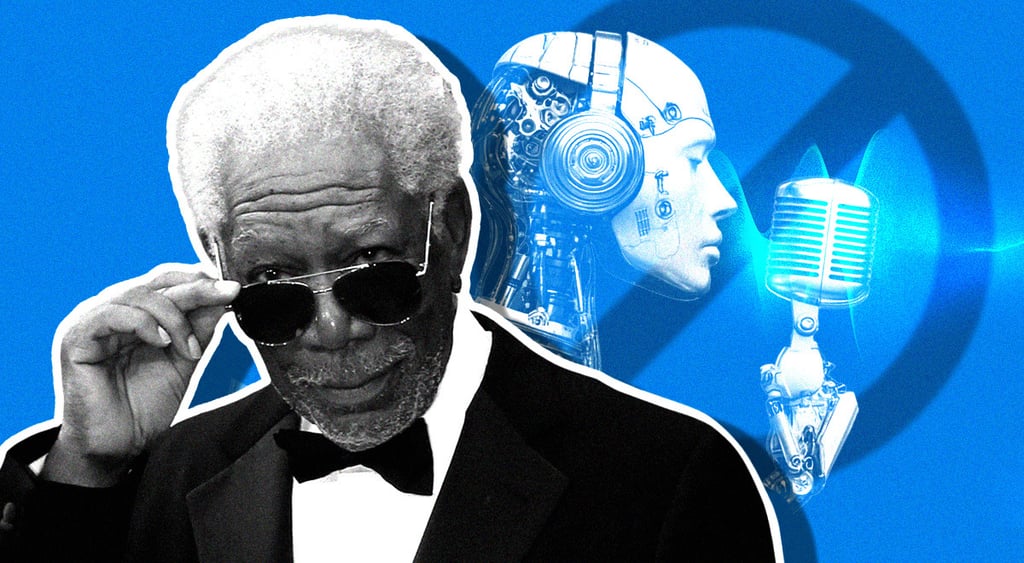
Actor Morgan Freeman, whose deep raspy voice is one of the best-known in Hollywood, said last year that his lawyers “have been very busy” pursuing cases where his voice was cloned without his permission.



Stay updated with our latest stories and follow us on social media
Be the first to discover new stories, ideas, and updates from our team.
Freeman argued that voiceover work formed part of his earnings, “...so if you’re gonna do it without me, you’re robbing me,” he added.