Bill Gates shocked by AI advancements, wants to reserve jobs for humans
The AI industry doesn’t like criticizing itself, so Bill Gates is doing it for them.
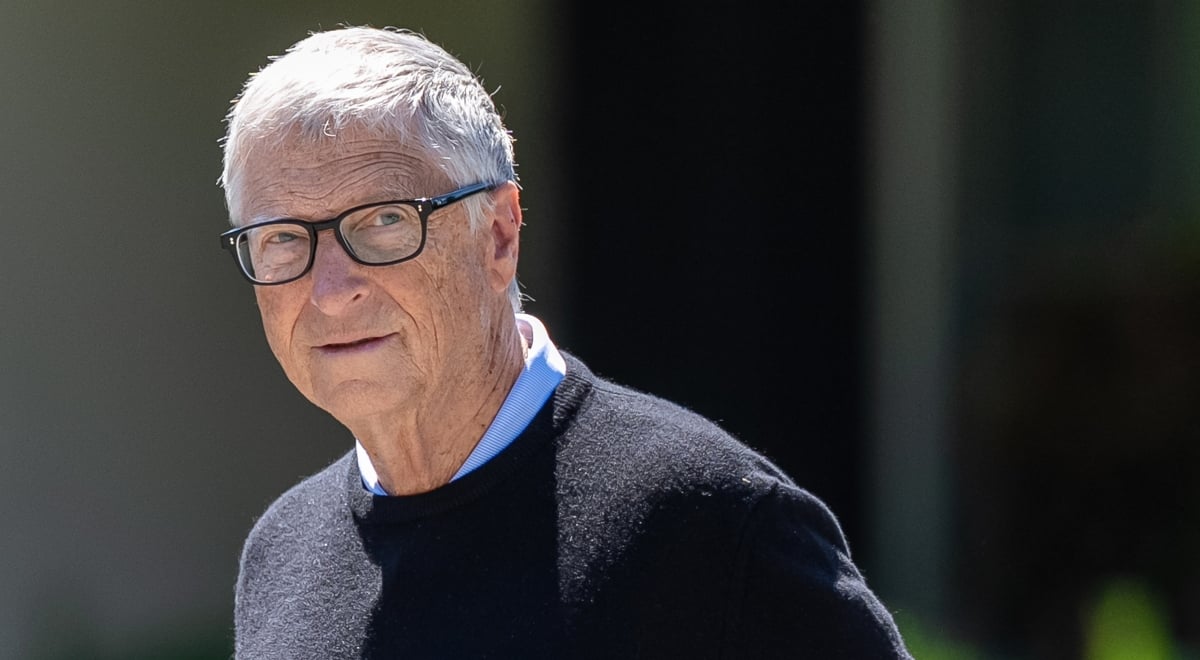
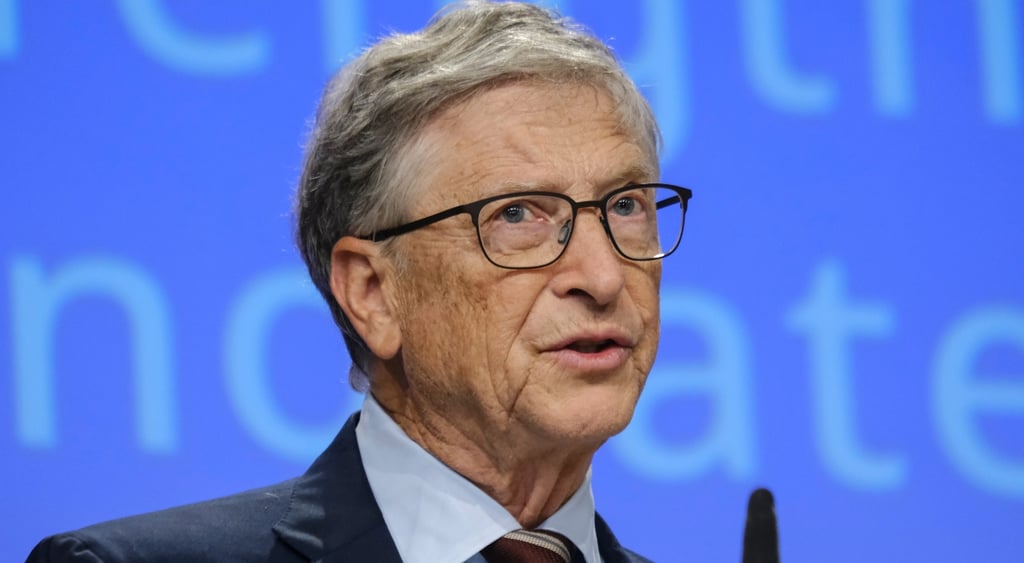
Bill Gates. By Bloomberg / Getty Images.

 Follow us
- Bill Gates says leaders are not preparing enough for AI’s risks in biology, cybersecurity, jobs, and child development.
- He worries AI could help design deadly diseases and make online harms more persuasive for young people.
- Gates proposes “Human Reserved” jobs in areas like health care and education to keep people involved.
- He also backs targeted taxes on AI-driven labor replacement to fund retraining and safety nets.
Key Takeaways by nexos.ai, reviewed by Cybernews staff.
In a new essay and interview, Bill Gates, Microsoft’s co-founder and billionaire philanthropist, writes that he’s shocked by how quickly AI technology is improving and how the world is woefully unprepared to enter the new era. He’s even planning to meet with Chinese President Xi Jinping and urge him to agree to curbing AI’s explosive growth.
Gates argues in his essay that we have already passed the point at which multiple potential dangers stemming from AI use should have been checked.
“In terms of equity, AI will either be the greatest equalizer ever invented, or the worst source of injustice. The challenge is monumental,” Gates writes.
“If the world takes the right steps, AI will be a force for good and leave everyone better off. Unfortunately, right now we are not preparing for it. I don’t see evidence that leaders, experts, and communities are confronting the challenges adequately. There is no plan to ease the entry into the AI era.”


Bioterrorism, jobs, and kids
In a separate interview with MIT Technology Review, the former Microsoft CEO says he thinks that we, humankind, have crossed the threshold “in terms of AI’s bio-capabilities, cyber-capabilities, psychosocial capabilities, job-market-destruction capabilities, and even the lack of control.”
“I’m just stunned at the lack of concern and discussion outside of the industry,” Gates adds in his essay for good measure, before pointing out that he doesn’t expect to hear much discussion within the tech industry because the latter “doesn’t like criticizing itself.”
He’s particularly concerned about the bio-capabilities of current frontier models and thinks that any model capable of generating novel molecules should be carefully monitored.
“Although AI will lead to lifesaving advances in drugs and vaccines, it will also make it easier to design a deadly new disease,” Gates writes.
Another quite obvious risk he sees is that many jobs will disappear forever. Gates is especially worried about young people who are already entering a workforce with fewer entry-level openings.
How will an economy that’s been built around employment operate if fewer people are working, or if many people are working fewer hours?Bill Gates asks.
Finally (and this is related), Gates is worried that AI could stunt children’s development and replace human relationships and warns: “An AI companion designed to never upset you is a big, protected greenhouse.”
“We are only beginning to understand the dangers that the internet – especially social media – can pose to young people’s development. We’re seeing compulsive use, disrupted sleep, cyberbullying, and exposure to harmful content,” says Gates.
“AI could magnify many of these risks by making them more persuasive and difficult to escape, and we should not wait another generation to start taking them seriously.”
Optimism and bold ideas
This may sound pretty depressing, but fear not – Gates has ideas and at least an ounce of optimism in his pocket.

Check if your data was exposed
Find out if your email and related personal information have appeared in known data breaches.
First, since maximizing the benefits of AI is just as important as minimizing the harms, Gates says it’s important to use the technology to accelerate innovation in challenges like providing clean energy for everyone, combating climate change, growing enough food, or eradicating diseases.
To make this all smoother and less disruptive to human lives, Gates is proposing a concept he calls Human Reserved jobs.
That’s exactly what they would be – societally agreed-upon jobs for human beings in areas like mental health care or education. These jobs should be treated like nature reserves, Gates says. We could build stuff in them, but we choose not to.
“In health, for example, imagine a robot giving you the awful news that you have an incurable disease. There’s no technical reason why it couldn’t. Yet it shouldn’t,” writes the billionaire philanthropist.



Stay updated with our latest stories and follow us on social media
Be the first to discover new stories, ideas, and updates from our team.
Plus, Gates envisions taxing revenue from companies that use “tokens” or AI outputs to supplant labor, which could help fund a safety net. Right now, he adds, the tax systems nudge businesses toward replacing people with machines.
“A tax would slow the rush away from human labor a little and raise money for retraining and a stronger safety net. It would need to be targeted so it does not slow down the purely beneficial uses of AI, like making medicine and education cheaper,” he writes.
Gates seems optimistic, or at least ready to repeatedly sound the alarm over the dangerous path of AI development. He told MIT Technology Review he was planning to write more essays and talk privately with industry, government, and civil society leaders.
He’s even looking to meet with China’s leader Xi Jinping later this year, telling Reuters he believes Beijing might agree to restricting potentially dangerous AI model releases if the US took the initiative on that first.
