Google indexing DeepSeek chats: your conversation could be searchable by anyone
It's on Google, but is anyone doing something about it?


 Follow us
- DeepSeek shared chat links are being indexed by Google, making some public conversations searchable by anyone.
- Researcher David Konitzny says DeepSeek warns links are public but does not clearly warn about search engine indexing.
- Indexed chats could expose personal data, business plans, source code, confidential documents, or sensitive professional discussions.
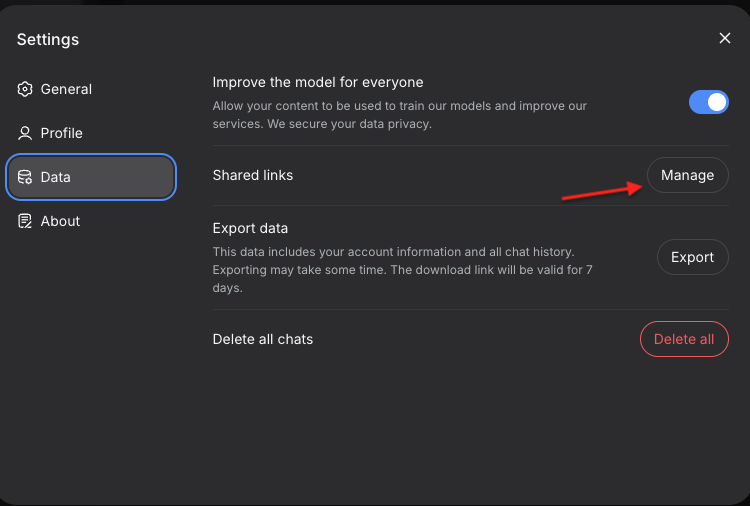
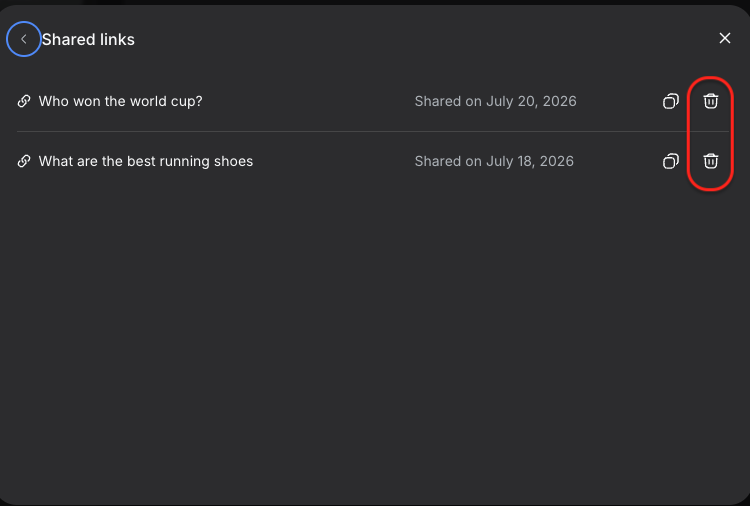
- Users can reduce exposure by deleting shared links in DeepSeek settings under Data, Shared Links, and Manage.
DeepSeek shared chats are indexed by Google and searchable by anyone. After his shocking discovery, a researcher is outraged that no one has “eliminated” this dangerous mechanism.
David Konitzny, a GEO Researcher at Peec AI, stumbled upon the issue while testing DeepSeek over the weekend.
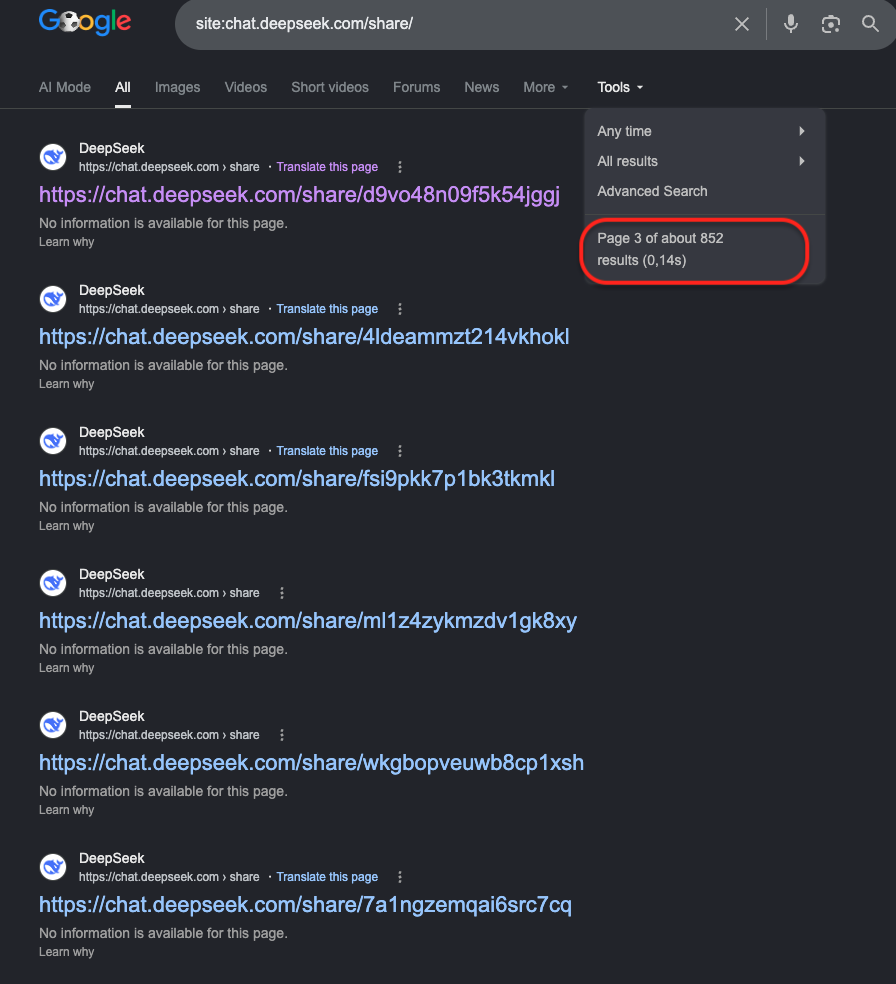
According to Konitzny, Google currently indexes pages within DeepSeek's /share/ directory (chat.deepseek.com/share), where the platform stores conversations users choose to share publicly. By using Google's “site:” search operator, you can simply access them.
“This is exactly the kind of exposure that many of us thought the industry had already learned to prevent after the incidents in 2024. Well, apparently not,” Konitzny said on a LinkedIn post.






The most shocking thing is that the problem may have existed for a long time. On Reddit, there are threads discussing the issue from 2025.
How does DeepSeek expose your AI conversations?
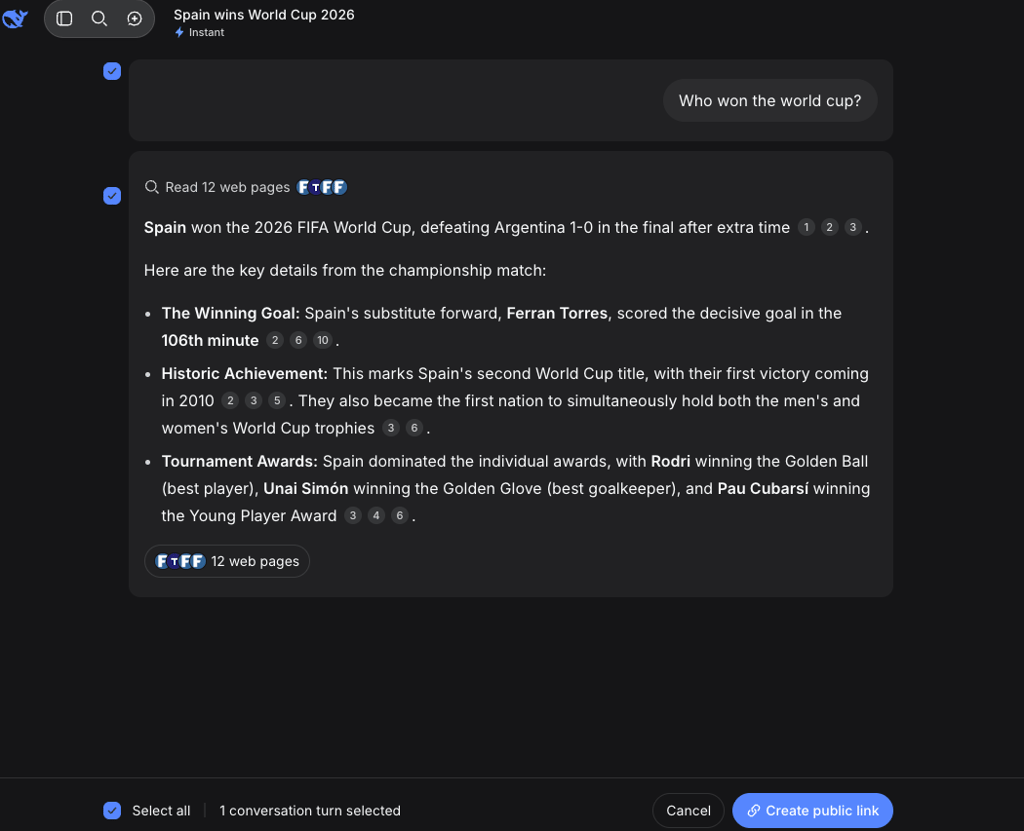
DeepSeek allows users to generate public links to conversations using a sharing button located in the chat interface.
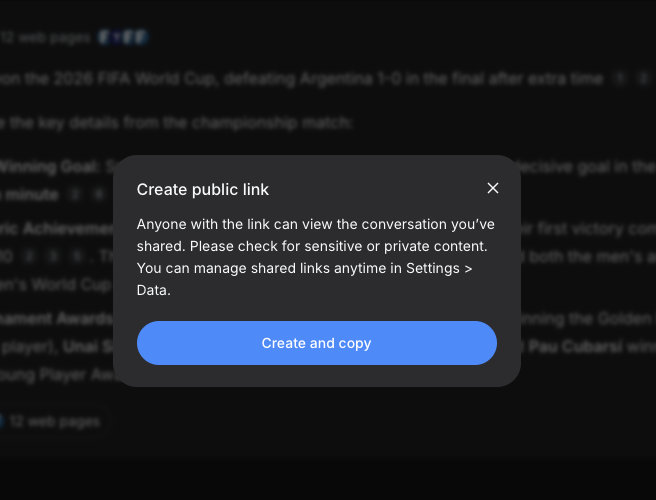
Before creating the link, users can choose which prompts and responses should be included. Once generated, DeepSeek displays a notice informing users that "anyone with the link" can view the conversation.
However, Konitzny points out that the warning does not explicitly state that the link itself may be indexed by search engines.
“In practice, this means that ‘anyone’ can potentially include people who discover the URL through a search engine, not just those with whom the link was intentionally shared,” he explained.
Users can later delete shared links through the platform's settings, although the researcher suspects few people revisit those settings after sharing a conversation.
Google has indexed numerous conversations
Once you type “site:chat.deepseek.com/share” into the Google search, the search engine returns a notice saying it was displaying only the most relevant results because many similar pages had also been indexed.
The researcher repeated the search, this time requesting that omitted results be included. Expanding the search revealed what the researcher described as a “considerable number” of publicly accessible shared conversation pages.
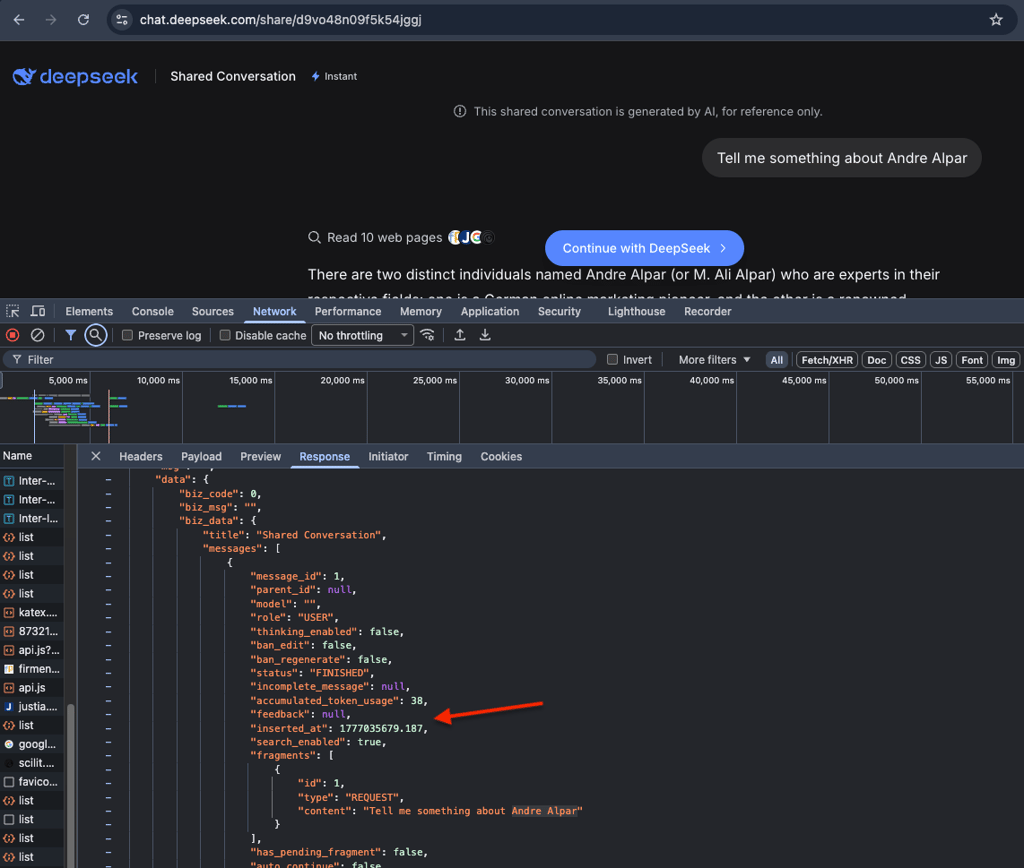
By inspecting browser developer tools, Konitzny found that fields such as inserted_at reveal when conversations were created. Other metadata exposes information about how DeepSeek processed individual queries. This adds up to the potentially sensitive data from chats being leaked directly to Google.
Why should you care?
While this might sound like a long shot to worry about, the researcher warns that such an unintentional data leak may pose risks.
Even when users intentionally create public links, they may not be expecting that the search engine will publicly index them.
A conversation originally shared with a colleague or friend could later become accessible to anyone searching for related terms or browsing indexed URLs.
Depending on what users discuss with AI assistants, shared chats could contain personal information, business plans, source code, confidential documents, or sensitive professional discussions.
What to do if your DeepSeek conversations get indexed?
If your shared conversations have been indexed by a search engine, the best thing you can do is to stop sharing them.
You can do that by accessing DeepSeek Settings:1. Going to “Data”
2. Selecting “Shared Links” and “Manage”
3. Deleting the shared links
Interface matters as much as the LLM model itself
Interface matters. And matters a lot. That’s the conclusion that Konitzny draws.
The researcher argues that AI safety discussions often focus on the capabilities of language models while paying less attention to the surrounding products and interfaces that determine how user information is stored and shared.
"A powerful model can still create significant privacy risks if the systems built around it are not designed with the same level of care,”he said.
“I still find it remarkable how easy it can be to make chat conversations publicly accessible and, in some cases, uncover highly personal information that was never intended for a wider audience.”



Stay updated with our latest stories and follow us on social media
Be the first to discover new stories, ideas, and updates from our team.
The researcher identified some trends in how users use DeepSeek
Although the publicly accessible info is only indexed conversations rather than all DeepSeek activity, the researcher was able to identify several trends.
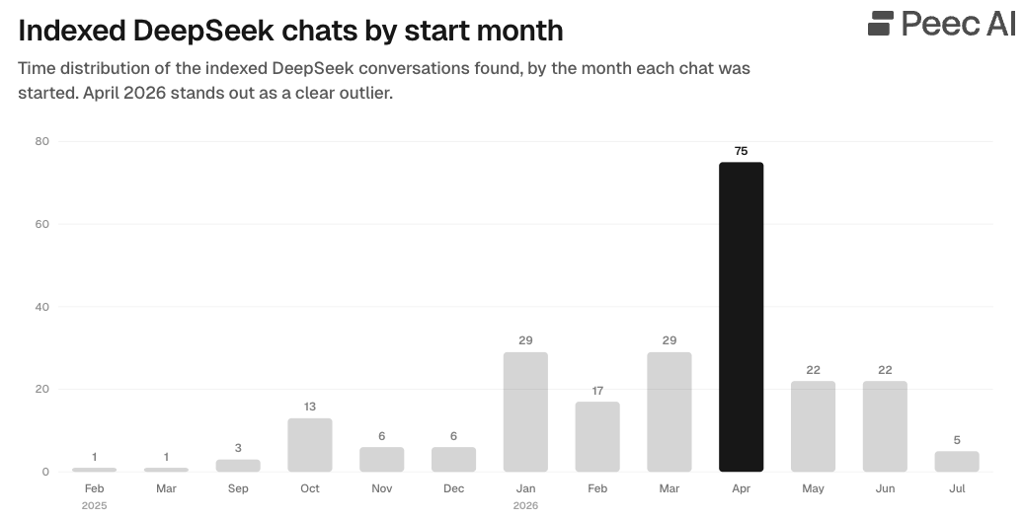
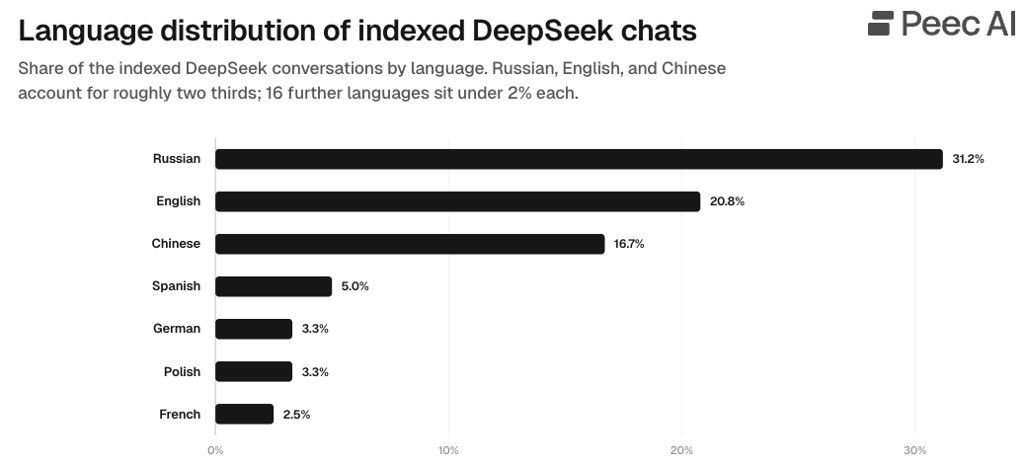
The number of indexed shared chats increased significantly during 2026, with April showing the largest spike. Russian accounted for approximately 31% of observed shared conversations, while English represented around 20%.
Only 13.2% of observed prompts triggered DeepSeek's web search functionality. Most users appeared to ask only a single question before ending the conversation, with relatively few chats extending beyond ten exchanges.
“While the dataset does contain a few examples of much deeper interactions – in some cases reaching up to 20 question-and-answer exchanges – these are the exception rather than the rule,” Konitzny explained.
The Cybernews community is talking about this. Be a part of the conversation.
“Most conversations end much earlier, with the majority appearing to stop before or around the 10th message exchange.”
Of course, Konitzny cautioned that the sample size of his findings is limited and should not be interpreted as representative of DeepSeek's overall user base.
ChatGPT also spilled user data all over the internet
Over the past several years, researchers have repeatedly found that shared conversations from large language model services can inadvertently become searchable on Google and other search engines if they are not properly excluded from indexing.
The current discovery reminds us of previous incidents involving OpenAI’s ChatGPT. ChatGPT publicly indexed user conversations, spilling private user data all over the internet.
Outraged users were able to find sensitive conversations and even full legal identities revealed in the indexed chats. After the outrage, OpenAI rushed to remove the dangerous feature.