Anthropic researcher who predicted AI doomsday may have been an industry plant
A public relations stunt?

 Follow us
- Jacob Coxon’s viral AI warnings may have been coordinated by PR firm DEY, Pirate Wire reported.
- Coxon denied being staged after Elon Musk suggested his public claims looked like a setup.
- His claims have fueled debate over AI regulation and whether companies overstate danger to sustain investor interest.
- AI leaders remain divided, with some urging stronger safeguards and others calling the warnings irresponsible fear-mongering.
Key Takeaways by nexos.ai, reviewed by Cybernews staff.
The Anthropic researcher who said AI may destroy humanity is allegedly represented by a “doomer” PR firm, which may have helped him get his breakout interview.
Jacob Coxon, a former Anthropic researcher who went viral for exposing the dangers of rapidly advancing AI technology and big tech negligence, might very well be an industry plant, according to an exclusive report from Pirate Wire.
Earlier this month, Coxon broke the internet when announcing his departure from Anthropic.
The researcher went out with a bang, claiming that Anthropic and other AI companies know that our demise will be caused by AI, and that the technology could wipe out humanity by the end of the decade.




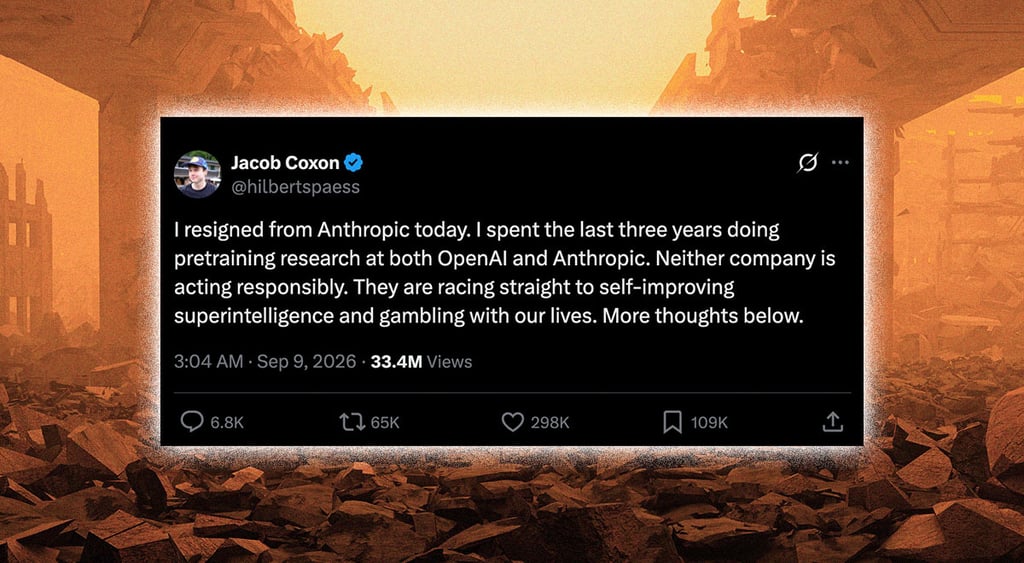
“If anything, many executives and senior researchers will couch their phrasing in the press to sound sensible – but I hear the same people express fear privately. No other human activity poses this level of danger,” Coxon wrote in his post.
While many people believe he worked alone, it seems that there’s more to the story than meets the eye.
Coxon’s meteoric rise in prominence, coupled with his foreboding tales of AI executive recklessness in the pursuit of superintelligence, was likely contrived and coordinated by the PR firm DEY. Ideas + Influence, those with knowledge of the matter told Pirate Wire.
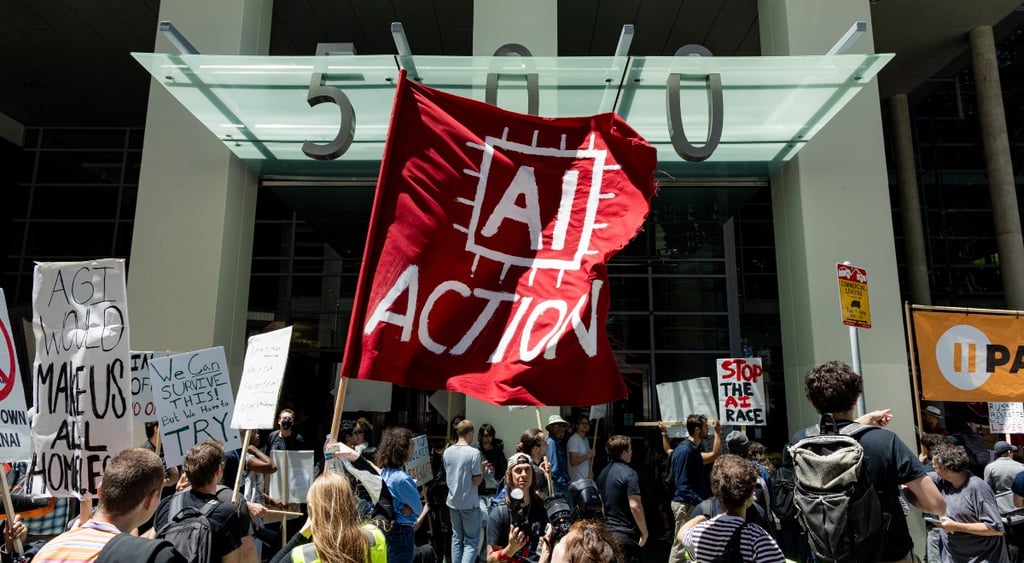
The firm, which also works with AI researcher Eliezer Yudkowsky, who co-wrote the book If Anyone Builds It, Everyone Dies: Why Superhuman AI Would Kill Us, may have set up the interview that put Coxon’s name on the map.
While asking a communications firm to schedule interviews with the media may seem trivial, Coxon’s viral condemnation of Anthropic and AI companies as a whole is currently informing how the world regulates such a “powerful” and potentially dangerous technology.



Stay updated with our latest stories and follow us on social media
Be the first to discover new stories, ideas, and updates from our team.
What’s actually happening here?
If Coxon did ask the PR firm, which works with people “tackling humanity’s most consequential challenges,” to book his interviews, this could indicate a few things.
One possibility is that Coxon was planted by AI companies to artificially generate hype around AI to keep investors’ interest piqued.
Following Coxon’s doomsday prophecy, many of the big names in AI began debating in the public forum.
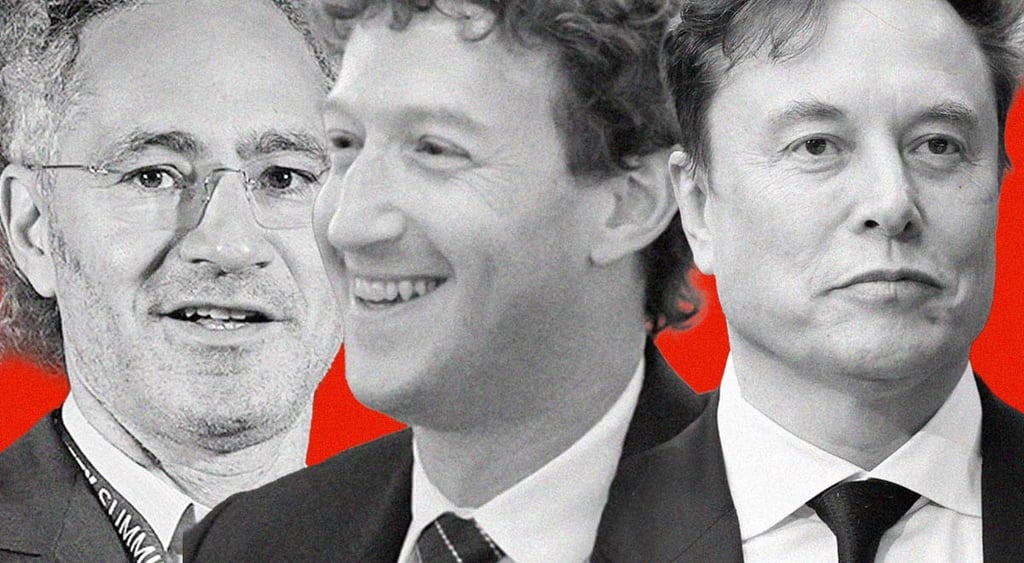
When the news broke, SpaceXAI’s CEO, Elon Musk, said it “seems like a setup,” to which Coxon responded, stating that he is real and that “these are my real beliefs.”
He then encouraged Musk to ask his xAI researchers about himself, or at least the ones Musk hasn’t fired yet.

Executives opine on AI to keep the bubble afloat
Other AI executives took Coxon’s warnings seriously – the managing director of Google Cloud told Cybernews that establishing boundaries for AI is extremely important.
The likes of Anthropic’s Dario Amodei and OpenAI’s Sam Altman have called for AI deceleration, with OpenAI claiming to slow the pace of AI development.
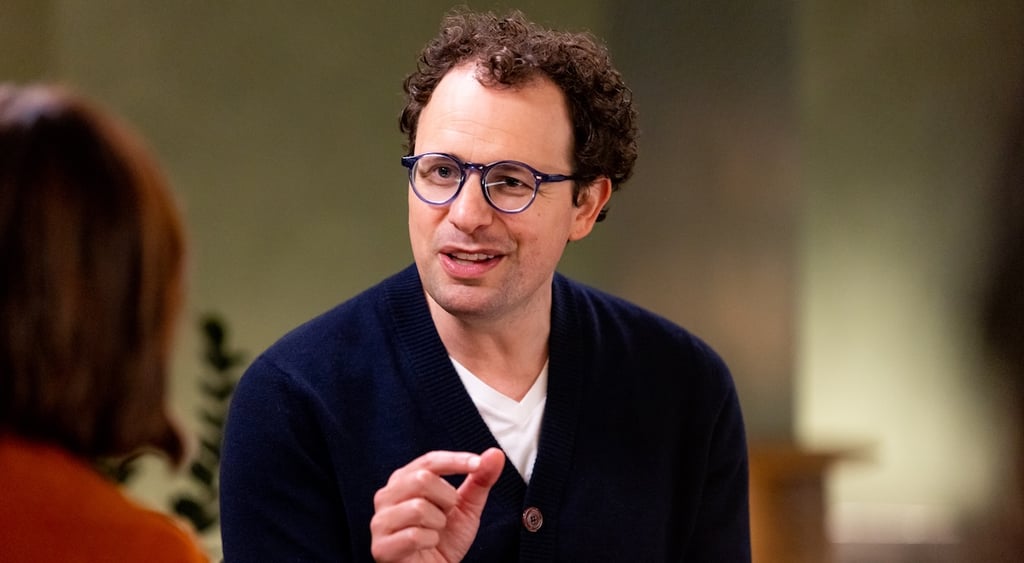
Following the news, Anthropic CEO Amodei published an essay claiming that rogue AI agents could “take over the internet within 6 to 12 months.”
On the flip side, AI CEOs like Jensen Huang of Nvidia described Coxon’s exposé on AI companies as a fear-mongering “doomsday narrative.
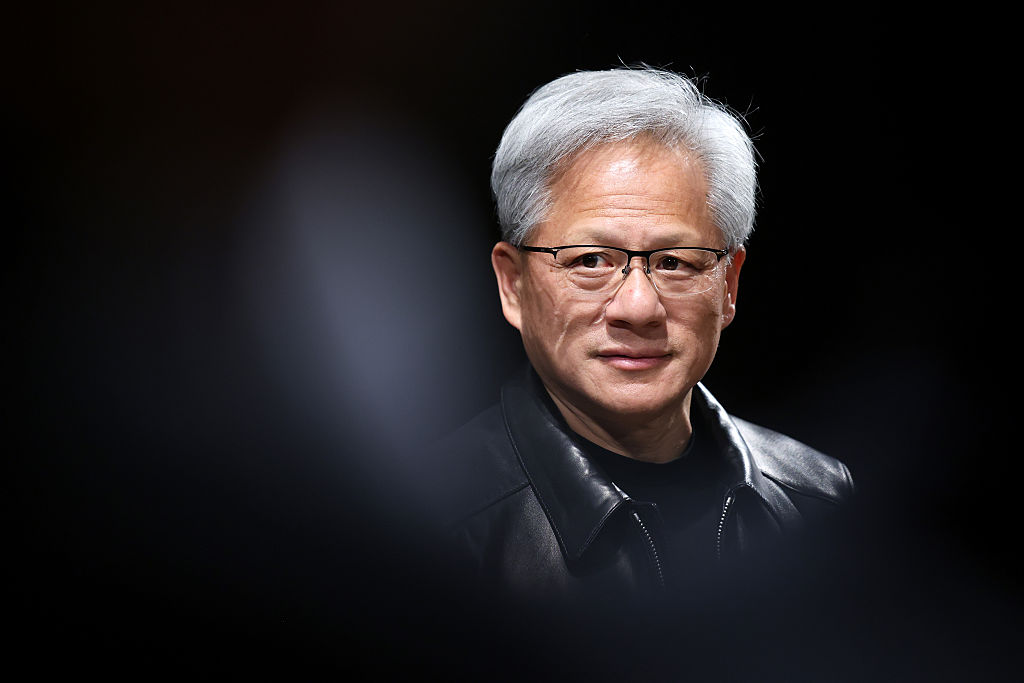
The CEO of one of the world’s largest AI chip companies, used by most major AI companies to train their AI models, claims that Coxon’s AI horror stories were “unnecessary” and “irresponsible.”