Meta is making its own AI chip to escape Nvidia's grip and cut costs
Chip prices are rising so fast economists coined a new term – "chipflation."

Image by Reuters.
 Follow us
- Meta will begin manufacturing its in-house AI chip "Iris" in September and plans to double computing capacity to 14 gigawatts in 2027.
- The chip passed testing in just six weeks with no major issues, marking progress for an in-house effort that struggled for over five years.
- Meta expects to spend up to $145 billion on AI infrastructure this year as part of Big Tech's $700 billion AI investment wave.
- The company secured long-term supply deals for memory chips, storage, and fiber-optic equipment to counter shortages driving "chipflation" concerns.
Meta Platforms plans to start manufacturing an artificial intelligence chip from September as part of its plan to boost overall computing power to 14 gigawatts next year, showed an internal memo reviewed by Reuters.
The tech firm's data center chip, code-named "Iris", is part of a four-generation project for Meta Training and Inference Accelerators (MTIA) that it will design in-house. The plan is to use custom-built silicon to improve the AI that powers its Facebook and Instagram social media platforms.
Testing the chip took only six weeks and found no major issues, the memo showed. That relatively quick progress signals positive momentum for an in-house effort that has floundered since its launch more than half a decade ago.
Meta tailored the chip for its own needs and is working with Broadcom to help design it and Taiwan Semiconductor Manufacturing Co to manufacture it. The approach is likely to help the firm lower its massive computing costs and gain more independence from chip suppliers such as Nvidia and Advanced Micro Devices.






The bug-testing completion and production timing have not been previously reported. Meta declined to comment.
The chip is aimed at augmenting the large quantities of graphics processing units (GPUs) used for AI applications that Meta purchases from Nvidia and AMD.
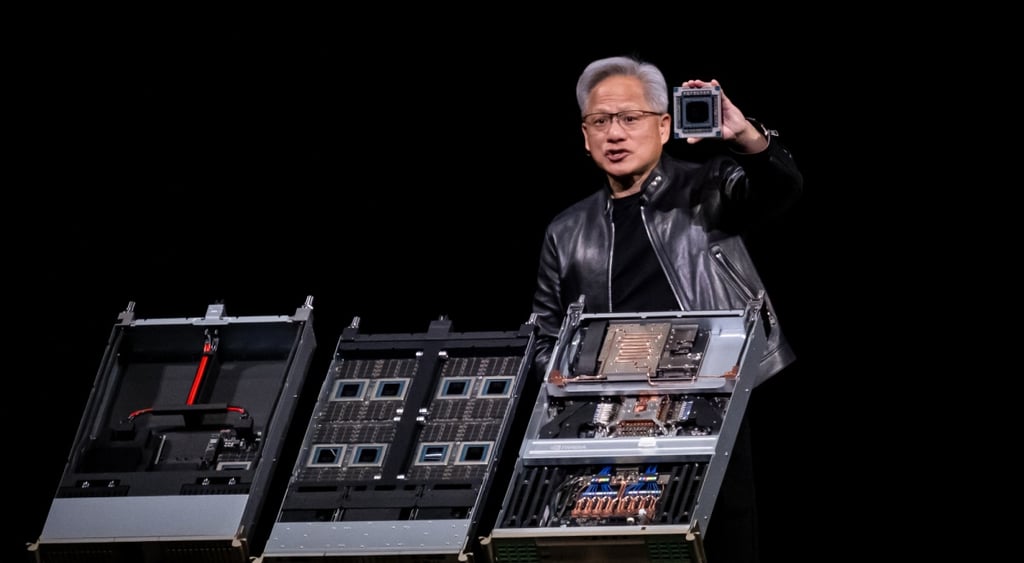
However, adopting the latest GPUs at a firm as large as Meta "has been a heavy lift, and it has cost us time," the memo showed.
Meta unveiled Iris under its technical name in March along with three other AI processors. It plans to launch a chip about every six months through 2027, whereas typically firms release AI chips at intervals of a year or more.
Meta targets 7 gigawatts of AI computing this year
Meta this year plans to deploy seven gigawatts of computing infrastructure, the memo showed. It plans to double that number in 2027, the memo said.
The firm expects to spend as much as $145 billion on AI infrastructure this year, a significant portion of Big Tech's more than $700 billion projected outlay on the technology.

Check if your data was exposed
Find out if your email and related personal information have appeared in known data breaches.
To expand computing infrastructure, Meta has secured long-term, multi-year supply agreements, the memo showed. Those include agreements with Samsung Electronics for memory chips, Sandisk for flash storage and Sumitomo Electric for fiber-optic equipment.
Have thoughts about this topic? Others do, too. Join them in the discussion.
Such long-term agreements have become critical for data center expansion targets amid a memory chip shortage that has prompted companies such as Apple to raise prices.
Sandisk declined to comment. Samsung Electronics and Sumitomo Electric did not respond to requests for comment.



Stay updated with our latest stories and follow us on social media
Be the first to discover new stories, ideas, and updates from our team.
Components such as memory and AI chips have experienced a surge in demand as tech companies race to expand data centers to keep pace with AI's thirst for computing power.
Memory and other chip prices have risen rapidly and substantially enough that "chipflation" has become a macroeconomic concern, Morgan Stanley analysts said.