Musk clings to the Constitution as xAI fights Minnesota anti-deepfake porn
Minnesota wants $500,000 every time someone makes deepfake porn.
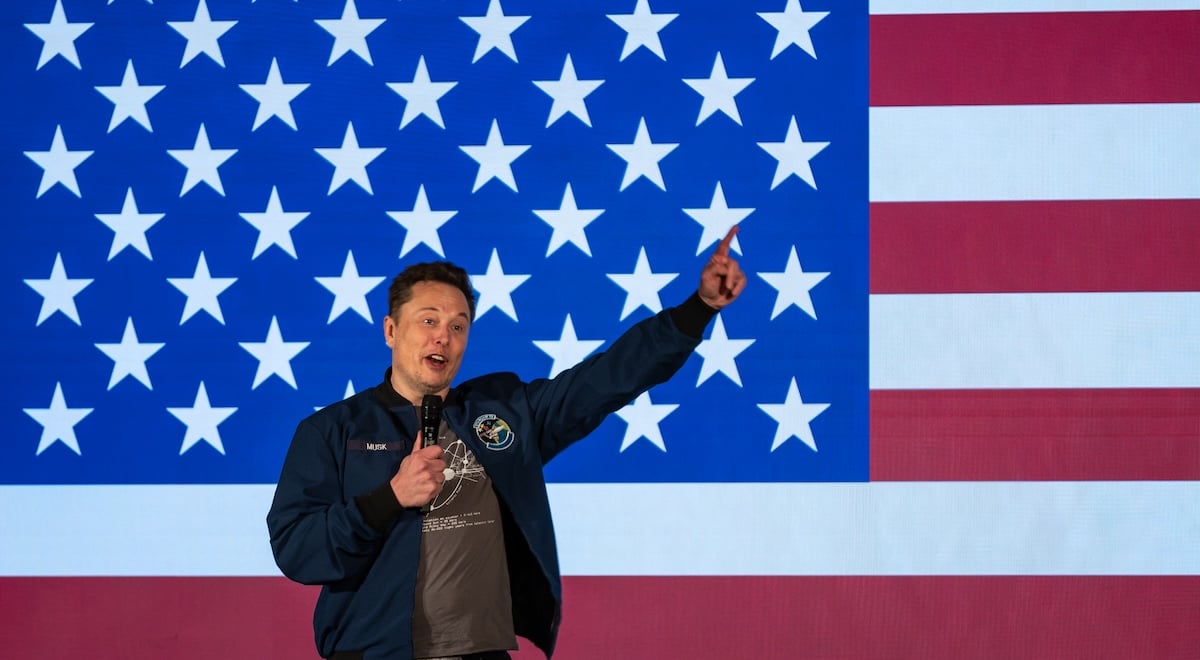
Image by Getty/Samuel Corum

 Follow us
- Minnesota’s new law targets services that let users create non-consensual deepfake pornography, with fines of $500,000 per violation.
- xAI sued Minnesota Attorney General Keith Ellison, arguing the law violates free speech and restricts Grok Imagine.
- xAI says it bans non-consensual sexual images, but the article says users have bypassed its safeguards.
- The case could shape how states regulate AI image tools and hold companies accountable for harmful user-generated content.
Key Takeaways by nexos.ai, reviewed by Cybernews staff.
Elon Musk cries “First Amendment violation” as Minnesota law on deepfake porn goes into effect this week.
xAI (recently renamed SpaceXAI) suffered its biggest scandal this year after users found that they could create non-consensual deepfake pornography of adults and children.
Minnesota has since passed a law (House File 1606) that will punish companies that allow their users to create deepfake porn of any kind.
The bill will ban nudification technology statewide, meaning that anyone who offers a service cannot let users access, download, or use the site or app to nudify an image or video.


This bill, the first of its kind in the US, penalizes creators, operators, and owners of sites, apps, and software that allow users to create deepfake porn.
For every instance, the company or operator of a tool or website must pay $500,000 in fines.
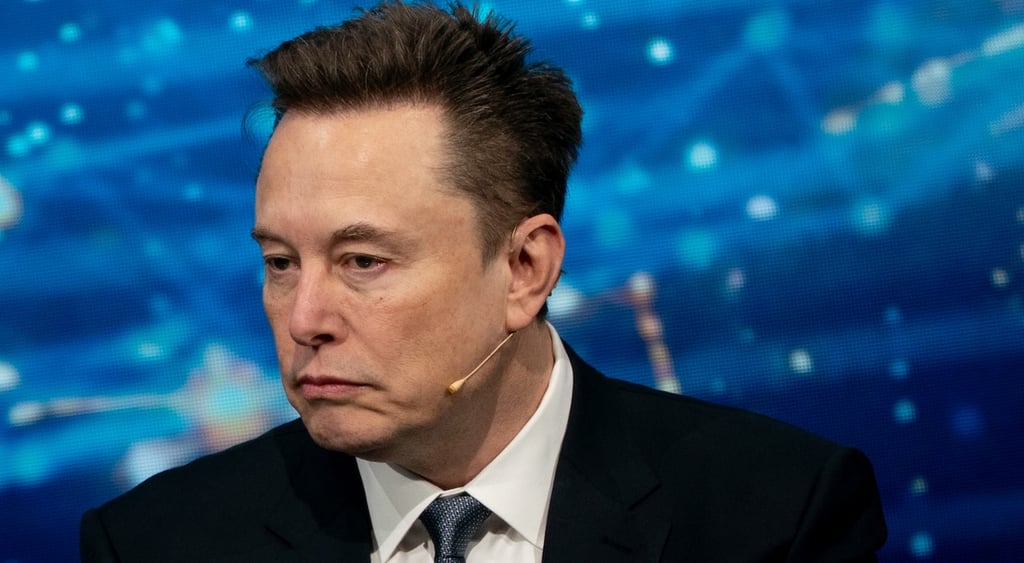
Unsurprisingly, Elon Musk, the man behind viral deepfake porn machine Grok, is planning to fight the bill tooth and nail.
Grok Imagine is a tool for creative expression, says xAI
Musk is known as a free speech absolutist who has previously gone up against lawmakers enacting rules aimed at protecting their communities.
Which is exactly what xAI is doing with its latest lawsuit against Minnesota Attorney General Keith Ellison.
xAI’s argument begins with concerns surrounding the blanket ban on technologies that could allow users to create nudified images of people without their consent.
Musk argues that lawmakers are attempting to impose “an overbroad content-based ban on free speech and the tools of visual expression in a clumsy attempt to prohibit nudification,” according to the lawsuit.
Curious what others think about this story? Contribute your thoughts to the debate below.
In other words, Musk and xAI value the company’s and users' “expressive rights” over the psychological health of deepfake victims.
Grok Imagine, xAI’s text-to-image and video tool, lets people in Minnesota express themselves creatively and is allegedly used for a range of purposes, protected by the First Amendment, according to Musk’s lawyers.
As the law seeks to police tech companies directly, xAI argues that the bill will “restrict xAI’s ability to offer Grok Imagine to users (at least without altering its image editing capabilities) and thereby deprive Minnesotans of an important tool for expression.”
Musk’s company seems to suggest that editing or adding safeguards required by law would strip Minnesotans of their constitutional rights and could lead to restricted use of xAI’s tool, or total removal from the state if the law goes into effect.



Stay updated with our latest stories and follow us on social media
Be the first to discover new stories, ideas, and updates from our team.
If AI can edit backgrounds, why can’t it be used to show a little boob?
One argument posited by Musk’s lawyers conflates changing the backdrop of an image with revealing a little skin.
The bill apparently saw nothing about using an AI-powered image generator to soften lighting, change backgrounds, or alter landscapes to make them appear more dramatic.
So, if the same tool is used to alter a person’s clothing in such a way that “partially reveals the inner thigh or breast,” why should that be accompanied by a $500,000 fine?
While xAI doesn’t disagree with lawmakers' “interest in curbing nonconsensual…nude images,” it continues to ask, why us?
Grok dangerous by design, but xAI blames users
xAI’s chatbot was marketed as an “unfiltered,” “truth-seeking,” “anti-woke” chatbot that lacked safeguards by design.
While this design was celebrated by pro-Musk X users, Grok’s lawless nature was setting itself up for controversy.
But, despite its design, xAI continues to blame users and “strictly prohibits its users from generating nude or sexualized images of people without their consent.”
Lawyers add that xAI has taken legal action against Grok users who have broken the law while using Grok Imagine.
Although Grok has previously been described as anti-woke in the sense that it doesn’t filter things that people may find offensive, Musk’s lawyers claim that users continue to “evade its extensive technological blockers” to create deepfake porn.
The lawsuit includes a section on Grok Imagine updates, which boast about its enhanced capabilities with each iteration, while saying little about how the AI tool prohibits users from creating deepfake porn.
However, it does mention that xAI’s acceptable use policy explicitly states that it shouldn’t be used to undress or nudify people or create porn. This rule came shortly after the scandal.
If an account is found to have violated its policy, xAI blocks the user from accessing Grok Imagine.
Yet this is quickly contradicted when looking at the case of a child predator who created two separate accounts to evade xAI’s so-called “technological blockers” with ease.
The tech company believes that the law is “unconstitutional, and its enforcement against xAI should be preliminary and permanently enjoined.”
If Musk wins, the court would prevent the law from being used against xAI at any time during or after the case.