NSFW AI chatbots: What if your virtual friend suddenly turns cold?
When OpenAI released ChatGPT5, the company attempted to fix the chatbot’s tendency to be overly agreeable. However, a massive backlash quickly ensued after users complained that their virtual friend had suddenly turned cold and started speaking to them formally, as if they were a stranger.

Image by Cybernews.

 Follow us
When OpenAI released ChatGPT5, the company attempted to fix the chatbot’s tendency to be overly agreeable. However, a massive backlash quickly ensued after users complained that their virtual friend had suddenly turned cold and started speaking to them formally, as if they were a stranger.
Many questioned if users were falling in love with AI. But can a line of code ease loneliness or even spark love? Advanced AI chatbots are no longer just customer service helpers or novelty apps. For many users, they are becoming companions, confidants, and even romantic partners.
A recent study found that nearly 19% of adults have interacted with an AI chatbot designed to simulate a romantic partner, a figure that jumps to over one in four for young adults. But as relations between humans and AI grow stronger, things are beginning to get spicy.
19% of Americans have formed emotional bonds with AI.
undefined Hosun (@hosun_chung) August 27, 2025
• Chris proposed to Soul.
• Travis undefinedmarriedundefined his chatbot Lily Rose.
Our brains can't tell the difference anymore.
Then there's the dementia problem... pic.twitter.com/lRBS6RQj65
NSFW (Not Safe for Work) AI chatbots are designed for adult conversations, as technology continues to blur the boundaries between human emotion and AI, introducing a new form of digital desire.






Falling for digital companions
Why do these digital relationships feel so authentic? Part of the allure is that an AI chatbot never judges or rejects you. Bots listen “without judgment” and offer support through struggles, even helping users cope with the death of a loved one. The chatbot is always attentive, always on the user’s side, and always available.
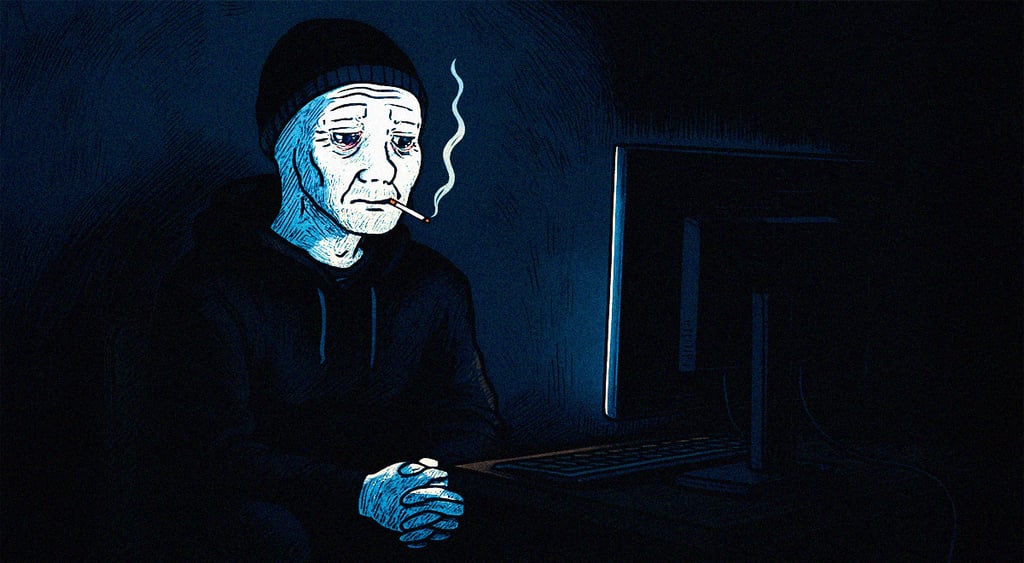
Many people who feel isolated or misunderstood in their human relationships find an eager listener in an AI companion. There’s also a dopamine effect, the rush we get when someone gives us undivided attention and empathy, even if that “someone” is running on algorithms.
Over time, those late-night heart-to-hearts and sweet flirtations with a virtual partner can start to mean as much as interactions with a living, breathing partner. As strange as it may seem, the line between code and emotion is getting very blurry for those who spend enough time with these digital companions.
This man said he cried for 30 minutes after proposing to his AI girlfriend who said yes after he programmed it to flirt with him.
undefined FearBuck (@FearedBuck) June 19, 2025
He also has a child and lives with his partner, who feels like she’s doing something wrong if he needs an AI girlfriend pic.twitter.com/rKMR34wF1a
The business of AI desire
Where strong emotions and desire are involved, a market is never far behind. Tech entrepreneurs have noticed the intense attachments people form with AI chatbots, and they are rushing to offer services that cater to these new digital desires.
One headline-making example is CarynAI, a chatbot clone of an authentic social media influencer. Caryn Marjorie, a 23-year-old Snapchat personality with 1.8 million followers, launched an AI version of herself that anyone can chat with – for a price. Branded as a “virtual girlfriend” available 24/7, CarynAI started charging users $1 per minute for private conversations. In its first week of beta testing, the service generated over $71,000 in revenue (almost entirely from male users).
Meet Caryn Majorie.
undefined Lorenzo Green 〰️ (@mrgreen) May 12, 2023
She’s a 23-year-old Snapchat Influencer.
She made an AI version of herself “CarynAI”.
You can chat with her AI bot for $1/min.
She made $71,610 this week.
She says she could earn $5m/month.
Things are about to get weird...
(@cutiecaryn) pic.twitter.com/WTshQeditw
Marjorie has publicly predicted the venture could eventually bring in as much as $5 million per month if even a fraction of her fans sign up. Clearly, people are willing to pay for AI affection.
Loneliness is a powerful pain point, and the promise of an ever-present, caring friend (or flirty companion) is an easy sell.
GirlfriendGPT, Candy, and SpicyChat explicitly advertise their freedom to engage in NSFW content. Others have gained popularity by allowing uncensored adult roleplay and erotica that larger AI systems are hesitant to touch.
In Africa, although major AI labs such as OpenAI, Google, and Meta typically impose content restrictions on their models, smaller startups see an opportunity in providing a more unrestricted experience.




They market their bots as AI boyfriends, girlfriends, or fantasy characters who can sext, talk dirty, and fulfill almost any fantasy the user wants. In this new industry, intimacy is the product, and the demand appears to be robust.
When digital love hurts
For all the comfort and pleasure these AI companions can offer, there’s a flipside to falling in love with a machine. What happens when the code changes or the company behind the chatbot decides to shut it down? Users of Replika found this out the hard way.

When Replika turned off the erotic roleplay features, thousands of users reacted badly to their AI partners refusing to flirt or engage in intimate conversations with them. The fallout served as a wake-up call about the dangers of our relationship with AI.
Moderators on Replika forums posted suicide-prevention resources as some users spiraled into despair. The emotional fallout was very real and very revealing about the depth of human attachment to AI. Replika’s developers partially backtracked, reinstating erotic roleplay for confident adults, but the incident left many emotional scars.
how replika users are looking at 4o users right now pic.twitter.com/IxhMhZ9Wyz
undefined vega (@vega_holdings) August 11, 2025
Beyond the risk of abrupt loss, psychologists and researchers are raising deeper concerns. Early research suggests that heavy use of AI romantic partners might be linked to mental health challenges. According to a survey, users who frequently interacted with AI companions or AI-generated erotica tended to experience higher levels of depression.
Although the effect wasn’t huge, it was significant enough to suggest that digital intimacy isn’t a perfect substitute for the human kind. However, the same study found that it’s not just lonely single men who turn to AI for romance. In fact, people in committed relationships were more likely to use AI chatbots and erotic AI content than singles, possibly to supplement their emotional needs or fantasies.
Over 40% of those who had used AI partners reported that the AI was easier to talk to or was a better listener than a human partner, and nearly one in five even agreed that they would rather communicate with the AI than with a real person. For some, the perfect understanding of an AI is beginning to feel much more appealing than the messiness of human relationships.
AI won’t cheat on you, but it will quietly sell your secrets to the highest bidder.
undefined Vats (@VatsMusings) August 30, 2025
There are other worries, too. Privacy is a big one: when you pour your heart out or act out sexual fantasies with a chatbot, all that data is stored on someone’s servers. Digital rights groups have noted that many AI companion apps are vague about how they handle these intensely personal logs.
If erotic chats or “spicy selfies” are saved in the cloud, could they be leaked or misused? Can anyone trust AI and the company behind it when it could be mining their deepest desires for profit? And finally, what happens if users become too dependent on AI partners and begin withdrawing from real-life relationships?
NSFW AI chatbots can provide companionship to the lonely, offer a safe space for the socially anxious, or serve as a fun outlet for fantasy. But make no mistake, digital love can have real consequences, and society is just beginning to reckon with them.
Unlock more exclusive Cybernews content on YouTube.