OpenAI’s Codex Micro can now power sex toys, but not for the reason you might expect
It’s about vibe coding, not sex.
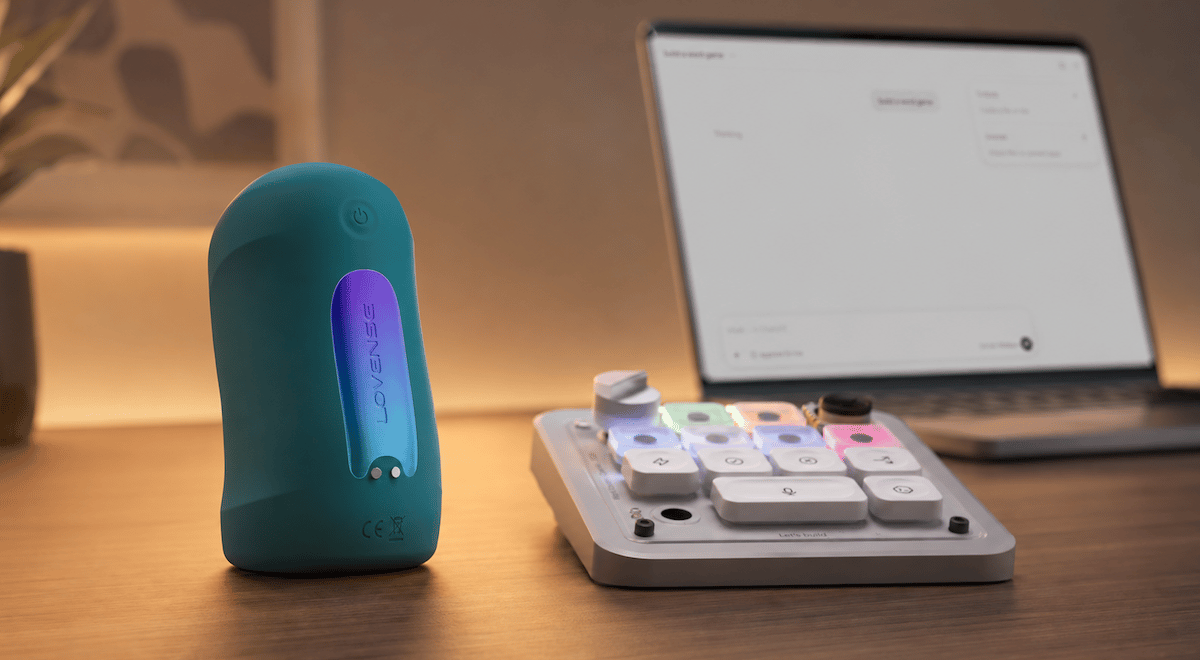
Gush 2 Motion and Codex Micro. Image by Lovense.

 Follow us
- Lovense connected OpenAI's Codex Micro keyboard to its Gush 2 Motion sex toy.
- A local bridge called TokenPulse translates Codex output timing and size into vibration speed and intensity.
- The keyboard's dial changes vibration level, while shortcut keys can trigger preset patterns during a coding session.
- Lovense says the experiment explores physical feedback for developers, not just sexual use.
Key Takeaways by nexos.ai, reviewed by Cybernews staff.
A sex tech company is putting the literal “vibe” in vibecoding after discovering a unique way to use OpenAI’s Codex Micro keyboard.
One developer at the Singapore-based company, Lovense, got their hands on OpenAI’s latest coding keyboard.
The Codex Micro is designed to help developers control multiple AI agents, with programmable hardware and other programming essentials.
Priced at $230, the keyboard sold out within 12 hours, and resellers are listing ones on eBay for as much as $1,850.





Now one developer is using the device to control a sex toy.
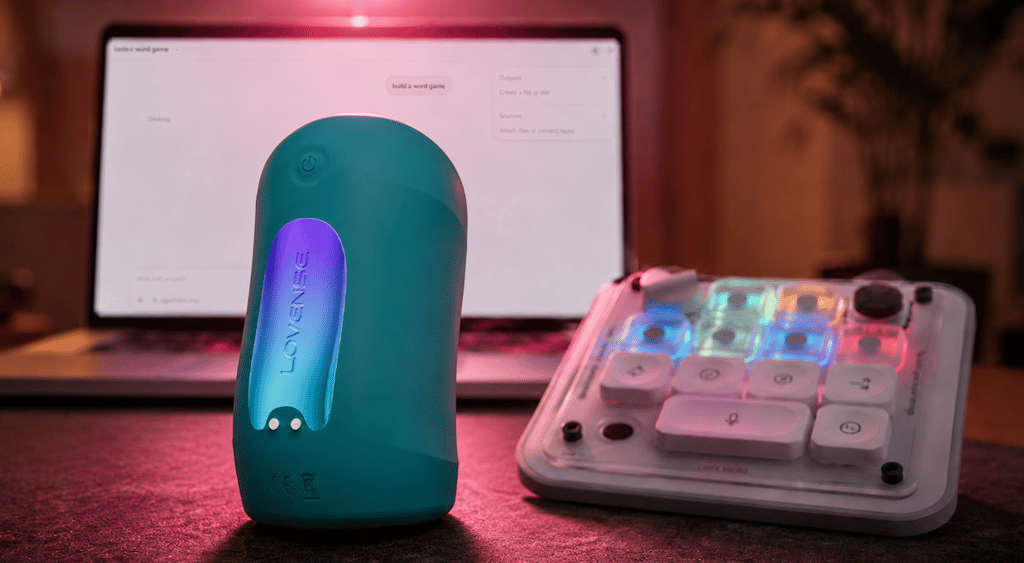
OpenAI enabled sex toy
The developer created an in-progress project where they connected their Codex Micro directly to one of Lovense's sex toys.
Specifically, one of Lovense's newest products, the “Gush 2 Motion,” which is described as a “wearable vibrating and oscillating penis massager with motion sensing.”
Despite being known for its native app-controlled sex tech, the developer decided that pleasure should be controlled by OpenAI.
The developer built a small local bridge between Codex’s app server and Lovense’s public developer API, creating “TokenPulse.”
The prototype measures the timing and size of Codex’s streamed outputs over time.
The more outputs generated, the faster or more intense the sex toy vibrates. This applies to slow generation, which will lower the vibrations or stop them altogether.
Codex Micro is in control
This prototype gives signals from Sam Altman’s coding keyboard a physical form.
The Agent Keys show whether a task is idle, or complete, and whether agents are waiting for inputs, thinking, or experiencing an error.
This bridge between the two devices also enables a single workflow, making sure they’re both on the same page.
A run begins with a low vibration, then the streamed outputs adjust the vibration and tempo,
culminating in a short final pulse once the workflow is complete.
The Codex Micro includes a dial that controls the agents’ reasoning level. In this context, it controls the vibration level.
The keys work as shortcuts. If you want a “Kegel-style vibration pattern,” you would press the “APPR” key, which instructs the device to deliver this pattern while the Codex session continues.




Stay updated with our latest stories and follow us on social media
Be the first to discover new stories, ideas, and updates from our team.
Not intended for sex
While this experiment might seem inherently sexual, it’s actually not about sex at all.
Instead, it's a way for developers to understand their workflows through a sensory channel.
“Adding physical vibration to the output stream isn't as strange as it sounds. It's another feedback channel – a haptic confirmation that your AI is working, thinking, producing, according to Lovense.
The sex tech company says that coding has always been a “dopamine game,” and developers arguably have a sensory relationship with coding.
“Developers have sticker-covered laptops, custom keycaps, mechanical switches tuned to exact actuation forces – writing code is already deeply sensory.”
Vibe coding, the process of using AI to help you write code, has now been realized in beta.