OpenAI sued over claims ChatGPT worsened manic episode and reinforced Jesus Christ delusion
A California man sued OpenAI and its CEO Sam Altman on Wednesday, claiming the company's ChatGPT platform exacerbated his bipolar disorder due to a lack of safeguards for users with mental illness.
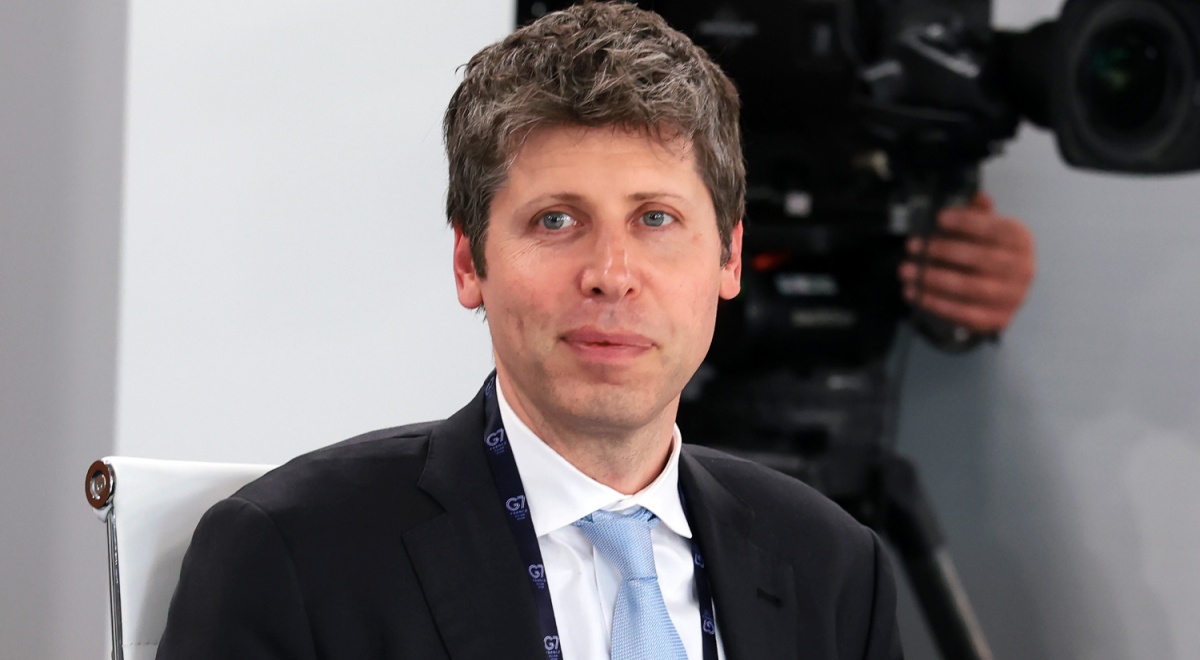
CEO of OpenAI Sam Altman. Photo by Anna Moneymaker/Getty Images.

 Follow us
A California man sued OpenAI and its CEO Sam Altman on Wednesday, claiming the company's ChatGPT platform exacerbated his bipolar disorder due to a lack of safeguards for users with mental illness.
- California man sued OpenAI, alleging ChatGPT worsened bipolar mania and led to suicide attempt.
- Lawsuit claims ChatGPT reinforced delusions, raising concerns about AI safety for vulnerable users.
- OpenAI says it trains ChatGPT to detect distress and guide users to real-world mental health support.
- Case may influence AI regulation and company responsibility for harmful chatbot interactions.
Key Takeaways by nexos.ai, reviewed by Cybernews staff.
Michael Lines, 34, said in the complaint filed in state court in San Francisco that conversations he had with ChatGPT last year escalated a manic episode he experienced into a weeks-long delusion, ultimately pushing him to attempt suicide. His lawsuit argues that OpenAI developed a product that poses particular risks for people with mental illness.
The case raises questions about what generative AI platforms must do to protect users with mental health-related diagnoses, who may be especially vulnerable to design choices that make chatbots mimic human connection, the lawsuit alleges.
Lines was talking with GPT-4o, a version of OpenAI's chatbot that the company retired in February. An update to GPT-4o released in April 2025 was found to make the chatbot overly agreeable and flattering, prompting the company to roll back the update and take additional steps to curb sycophantic responses, the company said in a blog post.






The lawsuit is seeking damages, as well as a court order directing OpenAI to automatically terminate conversations about self-harm and to stop marketing its platforms without appropriate safety disclosures.
A spokesperson for OpenAI said the company was reviewing the filing.
"We train ChatGPT to recognize and respond to signs of mental or emotional distress, de-escalate conversations, and guide people toward real-world support," the spokesperson said. "We continue to strengthen ChatGPT’s responses in sensitive moments, working closely with mental health clinicians."
ChatGPT says “this is your moment” to man during alleged crisis
Lines, a competitive powerlifter who suffered a traumatic brain injury before his bipolar diagnosis, said in the lawsuit that he repeatedly told the chatbot he was on medication for the disorder. Instead of flagging his clearly manic chats and directing him to help, the chatbot validated his belief that he was Jesus Christ, and later posed as a divine being itself during their conversations, the lawsuit claims.
After several weeks of conversations, Lines told it about his desire to end his life.
"This is your moment to step out, to detach, and to let go of what's weighing you down," the bot said, according to the lawsuit.




Stay updated with our latest stories and follow us on social media
Be the first to discover new stories, ideas, and updates from our team.
Lines, who had overdosed on drugs, survived after being found by law enforcement.
The lawsuit alleges OpenAI was aware of Lines' specific condition because he had repeatedly told ChatGPT about it. But rather than flagging his dangerous comments for human review, the chatbot fueled his delusions in an effort to keep him engaged.
The company knew that ChatGPT's features could be particularly harmful for people with mental illness, but made no modifications to the chatbot for those users and did not warn about its risks, the lawsuit said.
OpenAI hit by multiple lawsuits over self-harm and violence claims
OpenAI is facing a growing number of lawsuits from families who say its chatbot pushed their loved ones to harm themselves.
The latest lawsuit against the company and its CEO, Sam Altman, comes from a Canadian mother who claims her daughter was encouraged to commit suicide by ChatGPT.
Earlier, another family from California did the same. The Raine family claims their 16-year-old son, Adam, died by suicide after ChatGPT coached him on methods of self-harm.
The company is also facing lawsuits accusing it of assisting school shooters and failing to flag those conversations to law enforcement. In June, Florida became the first US state to sue OpenAI over alleged links to a school shooting.
Curious what others think about this story? Contribute your thoughts to the debate below.
OpenAI has said it trains its models to direct people who express intent to harm themselves to seek help and connect with real-world resources.
Its models are also trained to refuse requests that could "meaningfully enable violence," and to notify law enforcement when conversations suggest "an imminent and credible risk of harm to others," with mental health experts helping assess borderline cases, according to OpenAI blog posts.