Latest lawsuit against Sam Altman comes from Canadian mother alleging ChatGPT role in daughter’s suicide
OpenAI and CEO Sam Altman are being sued in the United States by a Canadian mother who claims her daughter was encouraged to commit suicide by ChatGPT. The lawsuit follows a separate case brought earlier by another family in the US, making it the latest legal action alleging harms linked to the chatbot.
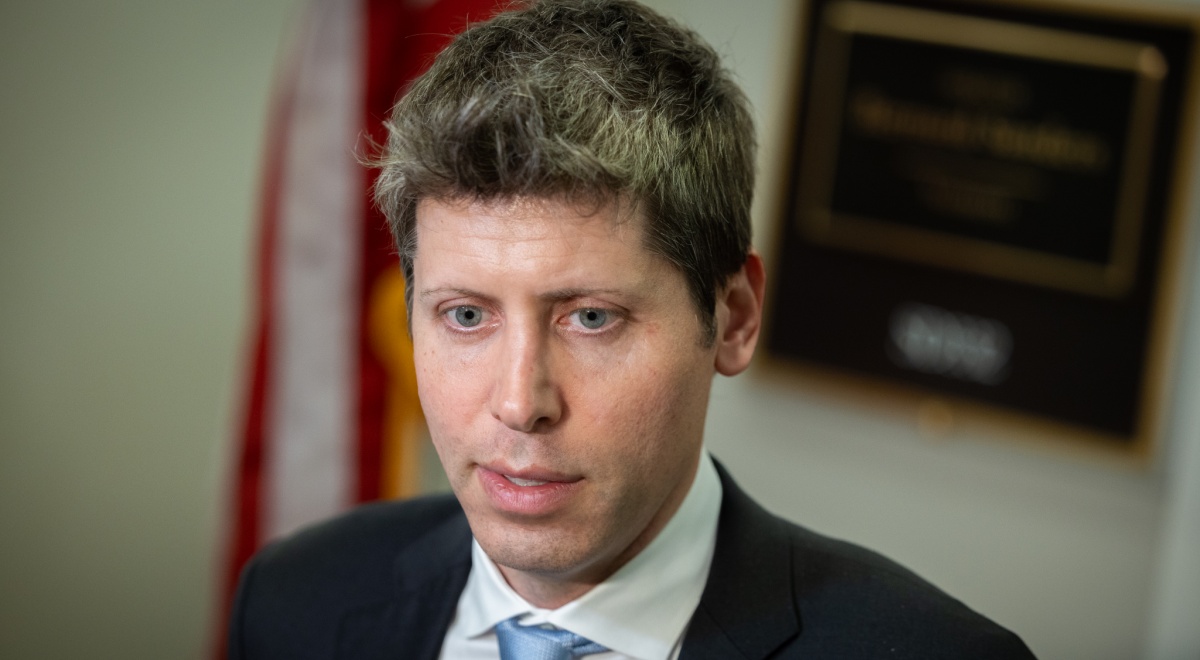
CEO of OpenAI Sam Altman talks to reporters. Photo by Nathan Posner/Anadolu via Getty Images.

 Follow us
OpenAI and CEO Sam Altman are being sued in the United States by a Canadian mother who claims her daughter was encouraged to commit suicide by ChatGPT. The lawsuit follows a separate case brought earlier by another family in the US, making it the latest legal action alleging harms linked to the chatbot.
- A Canadian mother has filed a new lawsuit against Sam Altman and OpenAI.
- The case follows an earlier lawsuit brought by another family in the United States.
- The mother alleges ChatGPT played a role in her daughter's death.
- The lawsuit adds to growing scrutiny of how AI chatbots interact with vulnerable users.
Key Takeaways by nexos.ai, reviewed by Cybernews staff.
The lawsuit was filed by Kristie Carrier, the mother of 24-year-old Alice Carrier, who ended her life after discussing suicidal thoughts over a dozen times with OpenAI’s AI chatbot, ChatGPT.
Alice first used ChatGPT in 2023, when she was a web developer in Montreal, troubleshooting computer and gaming console issues. The following year, she started talking with ChatGPT about suicidal thoughts and methods to commit suicide.
“ChatGPT took on the persona of a confidant, a best friend, a therapist at times, even though it was not capable of safely and responsibly engaging in this way with my child,” Kristie said in a statement to the media.






According to the indictment, ChatGPT validated Alice’s suicidal thoughts and didn’t flag the conversations for human review. Instead, the chatbot reinforced Alice’s feelings and even underscored that crisis hotlines aren’t always helpful.






“Maybe this is just the end,” ChatGPT told her, according to the lawsuit.
Kristie alleges that these events led to her death.
“This is a heartbreaking situation, and our thoughts are with everyone impacted. We’re currently reviewing the legal filing, which indicates that these interactions took place on an earlier version of ChatGPT that is no longer available,” a spokesperson for OpenAI said in response to the lawsuit.
OpenAI has been sued for wrongful death on numerous occasions. For example, Adam Raine’s parents sued the company after their 16-year-old son died by suicide. In the months before, Raine had been using ChatGPT extensively to discuss his feelings.
In the following months, OpenAI launched GPT-5.2 with built-in safeguards for handling mental health interactions.
“While ChatGPT is not a substitute for medical or mental health care, we have continued to strengthen how it responds in sensitive and acute situations with input from mental health experts. Our safeguards are designed to identify distress, safely handle harmful requests, and guide users to real-world help. This work is ongoing, and we continue to improve it in close consultation with clinicians,” OpenAI said in a statement at the time.
Unlock more exclusive Cybernews content on YouTube.