Sony in hot water as axing PlayStation discs triggers opposition tsunami
What’s going to happen to the game resale market?
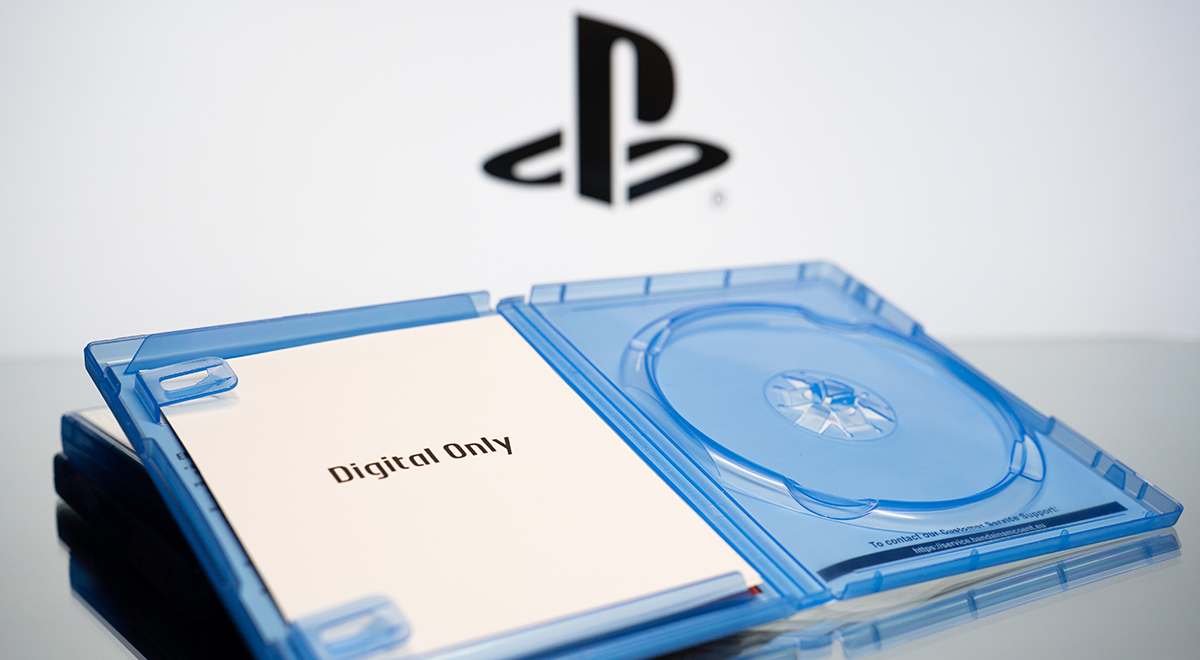
Playstation. By Getty Images

 Follow us
- Sony plans to stop producing physical discs for new PlayStation games from January 2028, citing consumer preference for digital access.
- Gamers argue the move would strengthen Sony’s control, limit access in regions without PSN, and reduce real ownership.
- Critics say removing discs would weaken resale, remove price competition, and make PlayStation games less affordable for many users.
- The second-hand games market remains sizable, but analysts warn physical retail and used-game sales may keep shrinking.
Key Takeaways by nexos.ai, reviewed by Cybernews staff.
Sony's decision to end the era of PlayStation discs, alongside others, would strengthen the company's monopoly and hurt users, as gamers are fiercely opposing these moves.
For example, multiple recent posts on X by the official PlayStation account, which has 44.1 million followers, have been community-noted, suggesting that Sony, by ending physical PlayStation discs, requiring a PlayStation Network (PSN) account for games, and restricting purchases in regions without PSN, aims to consolidate a closed digital marketplace it fully controls.
For example, the community noted that PSN-account requirements make games unplayable for people in over 130 countries where PSN isn't available, while Marvel Tōkon: Fighting Souls has been flagged as unpurchasable in 132 countries/territories despite marketing language claiming it "welcomes all players."
Others argue that physical discs were the last check on PS Store pricing and ownership, because once they're gone, there's no competing retailer and no resale market to make the games more affordable. What's more, Sony's earlier deletion of "purchased" movies after licenses expired is cited as proof that digital "ownership" is really just revocable access.





Sony itself claims that it will discontinue physical disc production for all new PlayStation games starting January 2028 as a response to "shifting trends in consumer preference" toward digital, meant to "align more closely with how most of our community prefers to access and play games today."
However, per Dataintelo's estimates, the global second-hand game platform market was valued at $7.2 billion in 2025 and is projected to grow at a compound annual growth rate (CAGR) of 7.5% from 2026 to 2034, reaching an estimated $13.8 billion by 2034.
This market comprises physical retail stores, dedicated online marketplaces, and peer-to-peer platforms that enable the trading of pre-owned video games, consoles, accessories, and gaming peripherals across console, PC, and mobile platforms.



Stay updated with our latest stories and follow us on social media
Be the first to discover new stories, ideas, and updates from our team.
Meanwhile, analysts cited by CNBC claim that "Brick and mortar game retail is doomed" and that the second-hand game market will eventually disappear. Michael Pachter, managing director of strategic planning at Wedbush Securities, is quoted as saying that at least a third of games have been sold historically as used, and that the games sold used also provided currency to the gamer who traded them in for cash to pay for new games.
What's more, an analysis by Tweakers found that physical copies of many PlayStation titles were routinely more than €30 cheaper than digital, with gaps sometimes reaching €50.
In either case, Sony's future results will show whether the company was right about the changing market and how competitors capitalized on the anger of current PlayStation customers.
"Oh look, shielding yourselves behind more phone games for a $500-$900 console, and soon with no discs or ownership. What a great platform!
NO DISC 💿 NO BUY," @RinoTheBouncer concluded on X under one of PlayStation's posts.