SpaceX “showed AI device ahead of IPO” despite Musk denial
“Utterly false,” Must wrote on X.
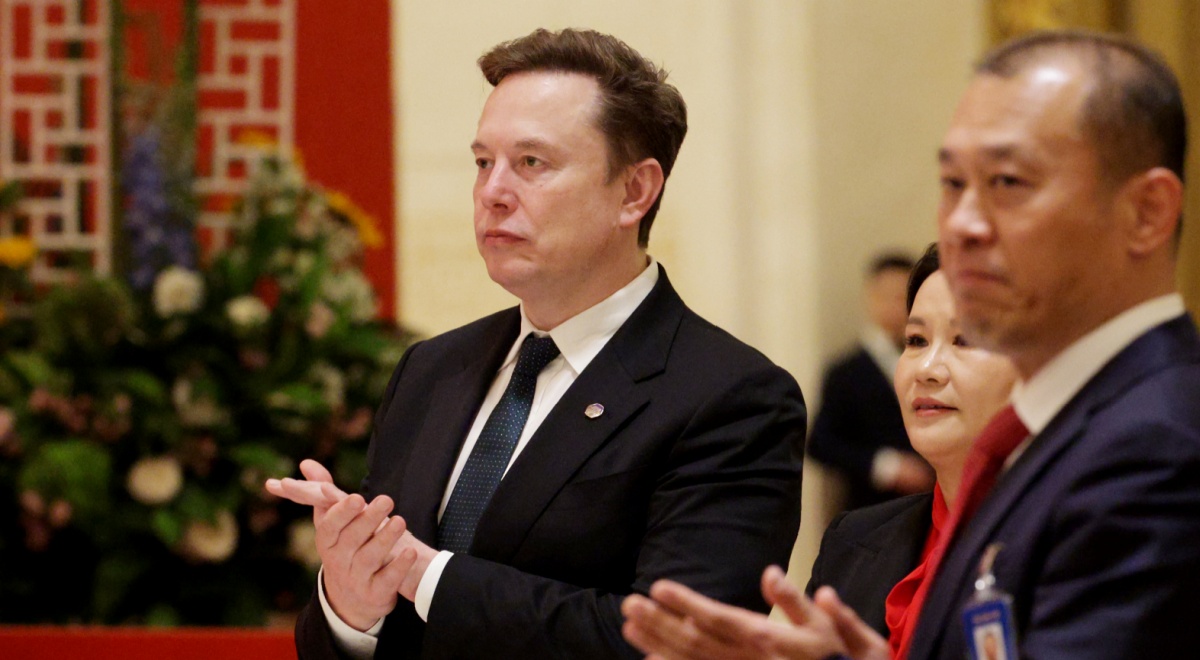
Tesla CEO Elon Musk. Alex Wong/Getty Images.

 Follow us
- SpaceX reportedly demonstrated a handset-like AI device to investors ahead of its IPO. This raises questions about new consumer product ambitions.
- The Wall Street Journal says the prototype integrates xAI technology and runs on Snapdragon hardware. Elon Musk denies any AI device exists.
- Reports suggest the device could support Musk’s “everything app” vision combining multiple digital services. This could reshape mobile software ecosystems.
- The claims come amid wider industry interest in AI smartphones, including OpenAI’s reported plans. This signals growing competition in AI hardware.
Key Takeaways by nexos.ai, reviewed by Cybernews staff.
Anonymous sources claim that SpaceX has developed a mysterious, handset-like device intended to reshape how we interact with artificial intelligence (AI).
According to the Wall Street Journal (WSJ), a prototype was recently demonstrated to investors just moments before the company’s initial public offering (IPO).
Allegedly, the device has a “sleek design that’s slimmer than an iPhone,” but the final design could change as the project is in its early stages of development.
The tool runs a proprietary operating system, is powered by a Qualcomm Snapdragon chipset, and integrates AI technology developed by Elon Musk’s xAI.






Musk is calling the claims of an AI-powered device “utterly false” on X.
In February 2026, rumors arose that SpaceX was reportedly developing a mobile phone that would connect directly to its Starlink satellite network. Musk immediately refuted the report.
“We are not developing a phone,” the entrepreneur said on X.
But according to the Financial Times, Musk has plans to move into the US consumer mobile market.
The WSJ report suggests that a phone would be the way to create Musk’s “everything app,” a concept that he has talked about since acquiring Twitter back in 2022.
Instead of downloading separate apps to handle parts of our daily lives, these “super apps” would bring together the services people need into a single program.
This concept is currently being developed and tested by Chinese tech companies like WeChat and Alipay.



Stay updated with our latest stories and follow us on social media
Be the first to discover new stories, ideas, and updates from our team.
Allegedly, SpaceX isn’t the only AI company working on an AI-powered device. According to market analyst Ming-Chi Kuo, OpenAI is trying to revolutionize the smartphone industry by developing a new smartphone with an AI agent ecosystem as a key feature.
Instead of rows and columns of app icons, the interface would consist of the work of an AI agent. To optimize its performance and results, the AI agent would work both locally and in the cloud. Using an AI agent instead of apps would drastically change how we use our smartphones.
“OpenAI’s advantages lie in its consumer brand, years of accumulated user data, and leading AI models. Smartphone hardware is already highly mature, so OpenAI can work with the supply chain to develop the device. On the business model side, OpenAI may bundle subscriptions with hardware and build a new AI agent ecosystem with developers,” Kuo said.