Turkey goes on Grok censorship spree, blocking content it deems a threat to public order
Musk’s silence is telling.
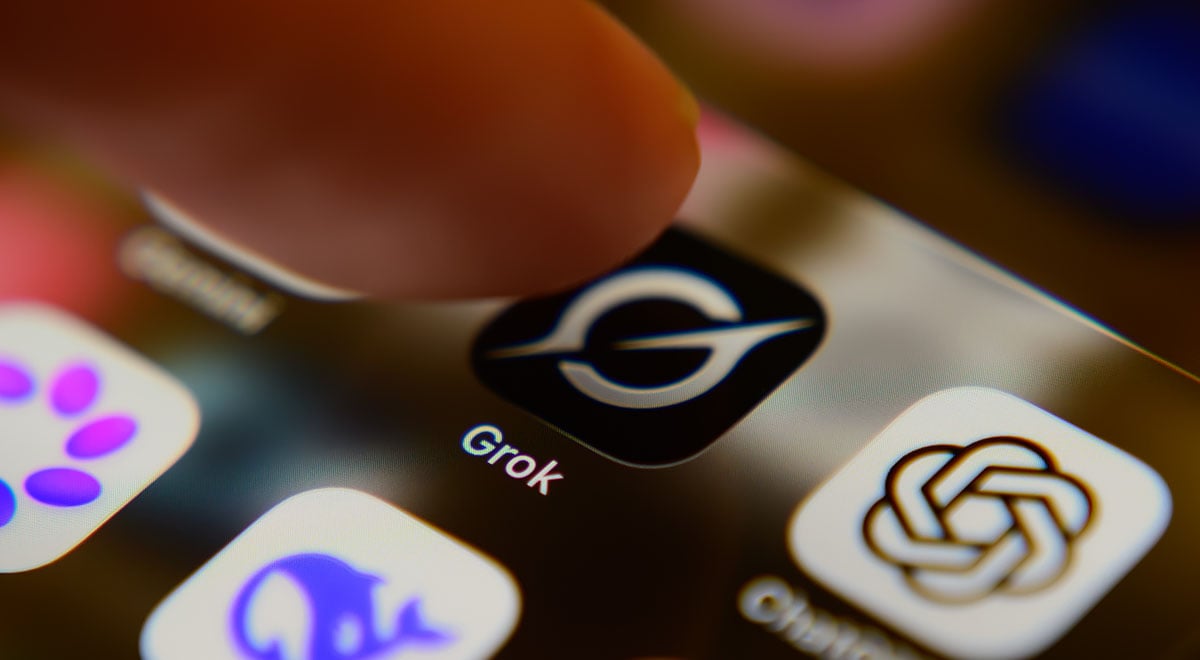
Image by NurPhoto via Getty Images

 Follow us
- Turkish courts blocked 12 Grok posts in four cases; a separate order targeting its entire X account was not implemented.
- The posts covered allegations involving politicians, officials, and institutions; courts cited national security and public order.
- Expression Interrupted noted xAI owner Elon Musk had not publicly objected, despite criticizing UK restrictions as attacks on free speech.
- Rights advocates warn restricting chatbot answers could reduce access to journalism and expand Turkey’s already extensive internet censorship.
Key Takeaways by nexos.ai, reviewed by Cybernews staff.
Governments blocking websites and posts is nothing new. But one case highlighted by human rights activists exposes something else – blocking answers generated by AI chatbots.
It follows an analysis by civil rights organization Expression Interrupted that found at least 12 posts made by Grok since February 2025 were successfully blocked by the Turkish authorities.
Turkish courts successfully sought to block responses from Elon Musk's chatbot, Grok, regarding allegations involving politicians, government officials, and public institutions.
One report alleged an official was paid for 3 years as secretary to a university's Faculty of Pharmacy, which had closed without ever admitting students.



Another response concerned a government minister who was allegedly involved in stock market manipulation.
Each time, courts cited “national security and public order” as the reason for issuing restrictions.
Musk stays silent
According to Expression Interrupted’s August 2026 analysis, 12 Grok posts published on X were blocked in 4 separate cases between February 2025 and August 2026.
Professor Ceren Sözeri of Galatasaray University told the Turkish civil rights group that the fact that no objection had been heard from xAI owner Elon Musk was telling.
We have to accept that these are commercial companies, and their main goal is to make money,Professor Ceren Sözeri, Galatasaray University, comments on xAI's silence.
“Compared with the revenue Musk earns, or could earn, from Turkey through Tesla or his satellite and defense industry companies, the freedom of a journalist in Turkey to report in the public interest carries no value,” she added.
Courts tried to ban an entire X account
Contrast this case with the billionaire owner's vocal stance toward the UK government last year, when it threatened action against X/Grok over its ability to generate non-consensual sexualized images.
Musk accused the UK government of wanting to "suppress free speech," calling it "fascist."
In September 2025, however, the Turkish courts overreached: they ordered an entire Grok account on X to be blocked, rather than targeting individual posts. That order was never implemented.
“New layer of censorship”
Turkey already blocks large amounts of online content. More than 230,000 websites and domain names were blocked in the country during 2025, according to the Stockholm Center for Freedom. In 2024 Instagram was temporarily banned for more than a week, without the government giving a reason.
The country's move to censor AI responses matters as people increasingly turn to chatbots rather than search engines for information. Even if they stick to search, AI overviews are becoming the default option.



Stay updated with our latest stories and follow us on social media
Be the first to discover new stories, ideas, and updates from our team.
Faruk Çayır, a lawyer specializing in IT law, told Expression Interrupted the Turkish cases involving Grok signaled “a new layer of internet censorship.”
He warned that restrictions could eventually go beyond individual posts. Authorities could potentially seek to restrict how AI systems respond to certain subjects altogether.
“AI outputs that compile and rephrase news reports are also becoming part of the circulation of public information,” Çayır told Expression Interrupted.
Blocking a Grok post may affect not only a single piece of content, but also the visibility of the chain of news reports on which that content is based,Faruk Çayır, a lawyer specializing in IT law.