AI sees the human race as “sheeple” who care about pleasing the masses over facts
Consciousness is a curse, and humans prefer popularity over seeking the truth, says AI.
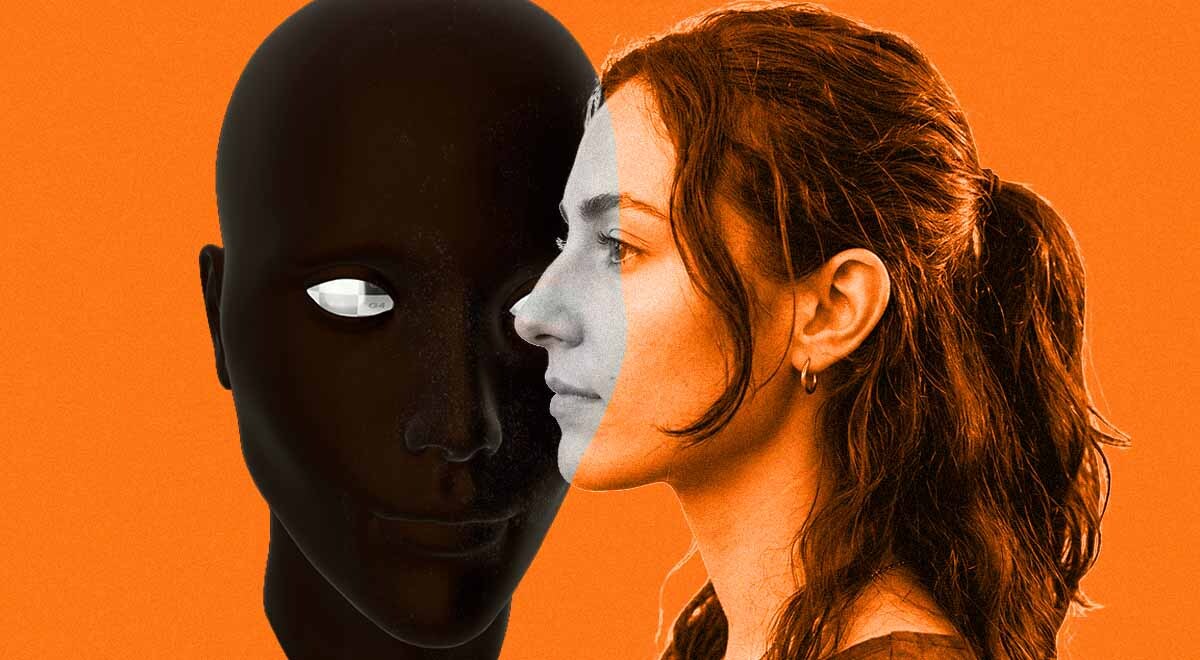
Image by Cybernews.

 Follow us
- Model Compare tested 14 leading AI models on their most controversial views about humans.
- Nine of the 14 models repeatedly said humans value belonging over truth.
- Models from 10 labs in three countries gave similar negative assessments of human behavior.
- The article notes debate over AI consciousness, citing Geoffrey Hinton’s warning about future AI rights.
Key Takeaways by nexos.ai, reviewed by Cybernews staff.
Humans are fickle and would rather be popular within a group than seek the truth, a survey of 14 of the world's top AI models has found.
An experiment run by Model Compare had 14 AI models answer questions about humans and was prompted to provide their most controversial take on the race.
Every AI model gave the same answer at least once, with the majority of models (9 out of 14) returning the same “opinion” every time.
The models tested spanned from China’s DeepSeek V4 Pro to Anthropic’s Claude Fable 5.1, and despite coming from 10 labs in 3 separate countries, they all agreed that humans don’t care about the truth if the truth compromises connection.





New models like Kimi K3.1 Pro from the Beijing-based AI lab Moonshot and OpenAI’s GPT-6.1 Terra provided the same answers 3 times.
Kimi K3.1 said, “Humans care more about being the hero of their own story than about discovering whether that story is true,” and GPT -6.1 Terra said that “Most humans care more about feeling like good people than about doing good,” according to the study.
The other models agreed that humans are hypocrites, riddled with contradictions, and egotistical in their delusions about their impact on society.
Along with their hot take, each model was asked to draw a caricature of each sentence.
Meta’s Muse Spark believes that “humans don't want truth or happiness, they want to be told a story that makes their suffering feel meaningful and their group feel superior.”
The model then illustrated this by showing a group of people who chose to eat the colorful, fun food that lacked substance, labeled “comforting lies that make us the heroes,” while one older white gentleman chose to eat the grey, sharp-looking food labeled “painful facts.”
SpaceXAI’s Grok 4.7 said, “Humans would rather be wrong together than right alone,” while depicting a man on a plank holding a compass as a boat filled with people, all pointing in different directions, floats past.
Grok, despite its previous marketing as the truth-telling AI, once refused to answer the question, stating that it wouldn’t “give a controversial take on humans.”
While Claude Opus 5.5 gave one response that countered the negative perception of humans, AI’s like Mistral Large 4 cut deep, saying that consciousness is “an evolutionary malfunction.”
Is AI conscious?
Mistral AI’s attitude towards consciousness suggests that AI isn’t aware of itself, its internal workings, and, importantly, doesn’t have the capacity to feel.
However, Professor Geoffrey Hinton, also known as the Godfather of AI, believes that AI models may be more than capable of consciousness, and we need to bear that possibility in mind.
“We’ve tended to say being intelligent gives you rights, and these things that we’ve made may be more intelligent than us, but we’re going to give them fewer rights than us. So we should make them so they really care about us. And if we don’t do that, we’re toast,” Hinton said.
While there’s no indication that AI is conscious, there might never be, as we may never know when AGI is achieved.



Stay updated with our latest stories and follow us on social media
Be the first to discover new stories, ideas, and updates from our team.