Supply of A7A5 stablecoin jumps 240% as Russians look to bypass sanctions
The usage of the Russian ruble-backed stablecoin A7A5 is growing rapidly, as frozen major stablecoin accounts force Russians to look for alternatives to bypass sanctions.

By Cybernews.

 Follow us
The usage of the Russian ruble-backed stablecoin A7A5 is growing rapidly, as frozen major stablecoin accounts force Russians to look for alternatives to bypass sanctions.
The number of issued A7A5 has surged by more than 240% over the past two weeks, to more than 41 billion, worth around $501 million at the time of writing, according to blockchain analysis company Elliptic.
The six-month-old stablecoin first entered the market in January 2025, with a supply of 1.5 million tokens.
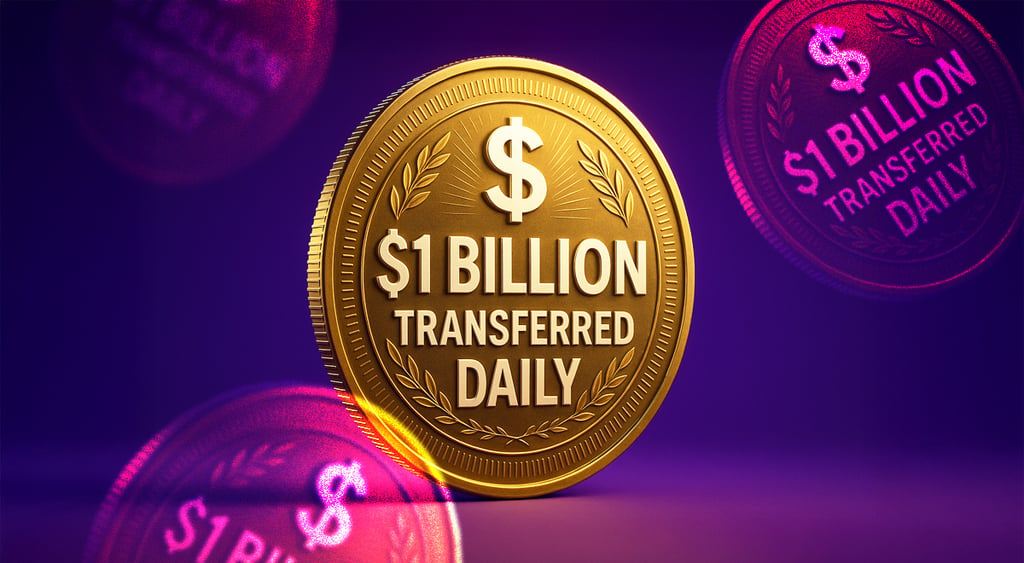
Analysts have found that more than 14,000 accounts now hold A7A5, while the total US dollar value of transactions has already reached $41 billion, with $1 billion worth of tokens being transferred daily.




"This growth in access, market capitalization, transactional activity, and USDT exchange liquidity all contribute to making A7A5 an increasingly effective tool for Russian businesses and individuals seeking to make cross-border payments and avoid sanctions by bypassing the traditional financial system," Elliptic said.
According to them, A7A5 can be exchanged on both centralized and decentralized exchanges, such as Meer, Grinex, Bitpapa, Curve, and Uniswap, and via over-the-counter desks.
Total exchange volumes have reached $8.5 billion, with 61% traded between A7A5 and rubles. The rest are trades between A7A5 and the most popular stablecoin, tether (USDT). As previously reported, the issuer of USDT was able to freeze around $26 million worth of stablecoin belonging to the sanctioned Russian crypto exchange Garantex.
Per Elliptic data, the Russian stablecoin was created by A7 LLC, an EU- and UK-sanctioned entity that helps Russian businesses make cross-border payments. The company is said to be owned by convict Ilan Shor and the Russian state-owned bank Promsvyazbank (PSB).




Elliptic noted that Shor was convicted in 2017 of offenses relating to the 2014 theft of $1 billion from three Moldovan banks and was also sanctioned for his role in undermining democratic elections in Moldova on behalf of Russia. Meanwhile, the defense sector-focused PSB was also sanctioned by the West and was implicated in facilitating large-scale vote buying for pro-Russian candidates in Moldovan elections in 2024.