Early Black Friday alert: Prices drop on Ring Doorbell Pro 2, Battery Plus, and Floodlight Cam


As shoppers hunt for this year’s biggest Black Friday deals, one of the season’s hottest products isn’t a TV or smartphone – it’s the humble doorbell. Amazon’s Ring lineup has quietly become the face of smart-home security, leading a connected-doorstep boom that shows no sign of slowing.
To give readers a clearer picture of how dynamic this market has become, below is a live and constantly updated table showcasing the most prominent Ring products and their current discounts on Amazon.
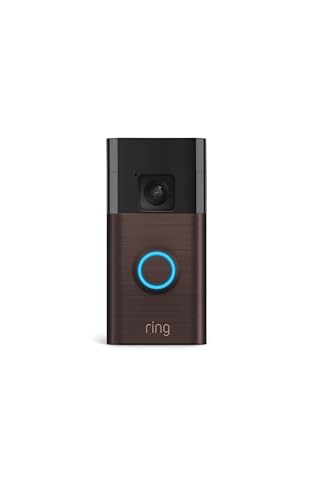
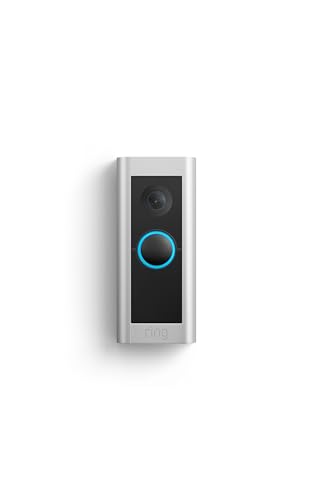
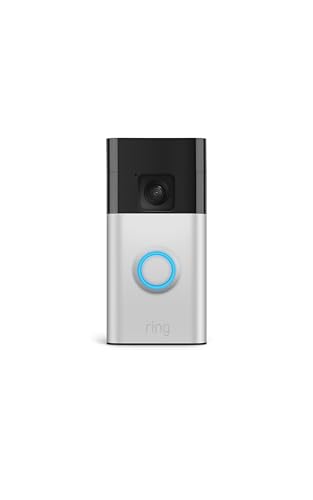
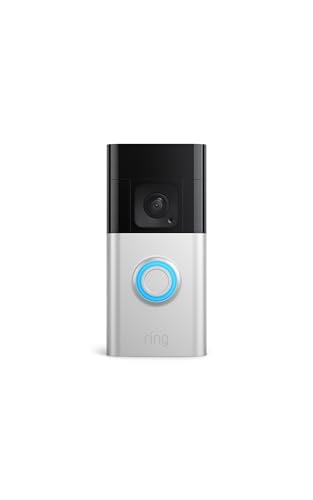
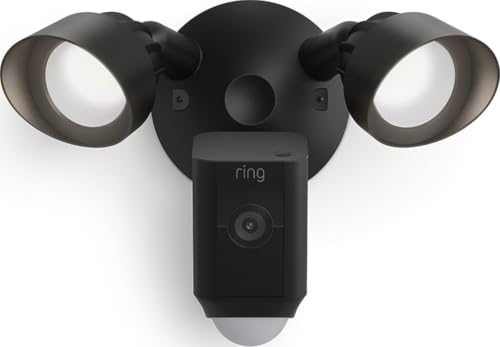
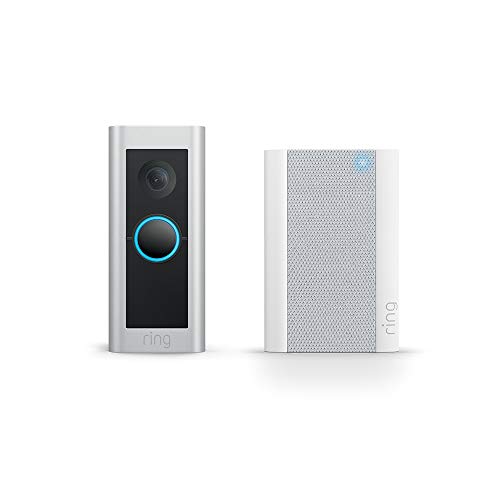
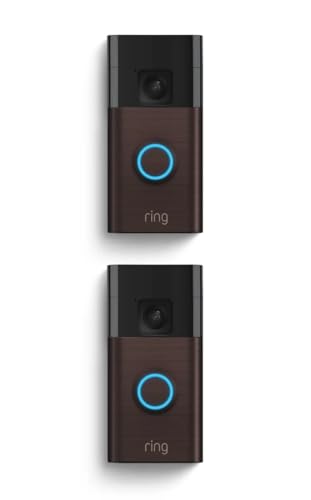
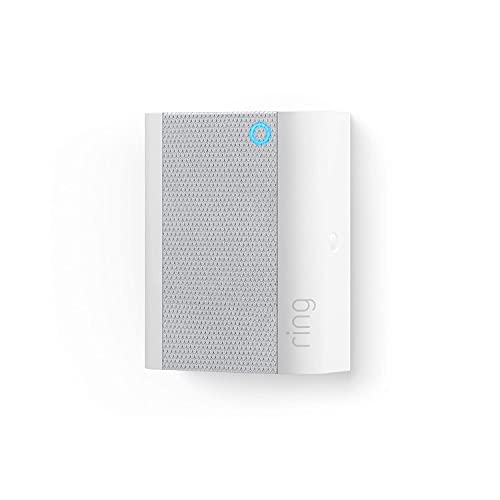
This table tracks recent price changes, availability, and limited-time bundle offers – illustrating in real time how fast the connected-doorbell category moves during Black Friday 2025.
Live tracking of Ring deals
A new kind of holiday essential
Every November, certain products define the shopping zeitgeist. In 2025, that spot belongs to smart doorbells – and Amazon’s Ring dominates the field.
Throughout the month, Ring’s Battery Doorbell Plus, Wired Doorbell Pro, and Floodlight Cam models have dropped to record-low prices across Amazon’s global marketplaces. The company’s own data shows home-security devices among its top five Black Friday categories worldwide, outpacing tablets and even headphones.
Analysts expect millions of new connected-doorbell activations in the weeks surrounding Black Friday, marking one of the fastest-growing segments in the smart-home market. For Amazon, it’s not just a seasonal win – it’s an opportunity to tighten its grip on a lucrative ecosystem of always-on devices.
The numbers behind the boom
Smart-home adoption has reached its steepest trajectory yet. Global market tracker Statista forecasts more than 680 million smart-security devices in use by the end of 2025 – up 14 percent from last year. Within that category, video doorbells are the standout, with Ring commanding an estimated 40 percent share of shipments in North America.
Research firm Parks Associates reports that doorbell cameras now rank among the top three connected-home products consumers plan to buy during holiday sales, just behind smart speakers and streaming devices.
In short: smart doorbells have evolved from an early-adopter niche to a mass-market must-have, propelled by the same urgency that defines Black Friday itself – a mix of safety, convenience, and fear of missing out on a good deal.
Amazon’s playbook: sell the doorstep, own the ecosystem
Ring isn’t just another Amazon product; it’s a cornerstone of the company’s connected-home strategy. By heavily discounting hardware, Amazon effectively buys its way into households, betting that new owners will later subscribe to Ring Protect plans, link devices through Alexa, or add Echo displays to their security setup.
The move also drives network effects: the more homes equipped with Ring devices, the more indispensable Amazon’s broader ecosystem becomes. Alexa can now announce doorbell alerts, trigger smart lights, and display live video feeds – turning the entire entryway into a seamless part of the home interface.
Smarter tech, simpler adoption
The 2025 wave of Ring devices highlights how much the technology has matured. Battery-Plus versions promise longer uptime and faster charging; AI-based motion filtering now differentiates between people, packages, and pets; and the setup process is nearly foolproof thanks to step-by-step app guidance.
In short, smart-home friction – once the biggest barrier – has largely disappeared. A few years ago, installing a connected doorbell required drilling, wiring, and patience. Today, it’s closer to unboxing a phone.
That ease of use explains why doorbell cameras are increasingly entry points into smart-home adoption, often preceding smart locks or indoor cameras. And with interoperability standards like Matter gaining traction, devices from different brands are finally playing nicer, further boosting mainstream confidence.
The consumer mindset: security meets convenience
If 2020’s tech shopping was about remote work, and 2023’s about streaming, 2025 is about feeling safe and connected. Consumers aren’t necessarily buying smart doorbells because they fear crime – they’re buying because they expect this kind of visibility.
Market surveys show package-theft concerns remain a major driver, but convenience plays an equal role. Being able to talk to a courier from a phone, check on pets, or simply confirm a delivery – these small efficiencies add up.