Kineon Move+ vs Move+ Pro: is an upgrade worth it?
Being behind major reports like The Mother of All Breaches and RockYou2024, our in-house cybersecurity experts and journalists provide unbiased, real-world testing and in-depth analysis.
We maintain complete transparency by openly sharing our testing methodologies with our audience.
Learn more
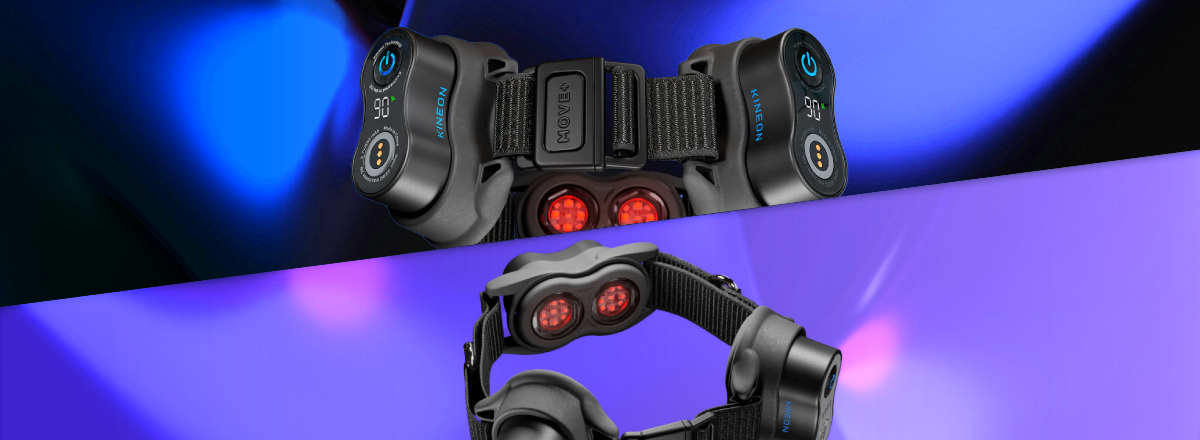
Kineon is a brand that made a name for itself in the world of red light therapy health tech, and Kineon Move+ is the product that started it all. Known initially as the Knee+, it was designed for joint pain relief and used by renowned NBA and NFL physicians.
It quickly became the top device for its use case, which is why Kineon released the Move+ Pro version. This is fundamentally the same device as the original Move+, though with higher-grade lasers and enhanced features.
The price tag is also higher, but does the new product justify it? That’s what I’ve set out to uncover. With the help of the Cybernews research team, I reviewed the specs, features, and overall value to help you decide whether the upgrade is worth your money.
The Kineon Move+ is a red-light therapy device suitable for potential core relief, while the Move+ Pro is a better fit for advanced, medical-grade therapy and customization, according to the brand.
Kineon Move+ vs Move+ Pro: overview
Though the Move+ was discontinued and the Move+ Pro took its place in the lineup, the revised model isn’t necessarily a better fit for everyone. Here’s a quick head-to-head summary to help you understand the highlights of each:
| Kineon model | Move+ Pro | Move+ |
| Our rating | ||
| Price | $499 | Originally $499, commonly discounted to $399 on Indiegogo |
| Therapy types | Medical-grade (claimed) laser, red light, and infrared LED | Red light and infrared LED |
| Customization levels | 3 intensity settings with improved control | 3 intensity settings |
| App support | iOS and Android apps with updated firmware | iOS and Android |
| Battery life | Up to 240 minutes | Up to 240 minutes |
| Weight & design | Refined, lightweight wraparound design | Lightweight wraparound |
| Best for | Advanced pain relief, injury recovery | Knee pain relief |



Our team of in-house researchers, writers and editors reviews and analyzes health tech products using a research-driven approach. We gather data from multiple sources, fact-check all information, and conduct our research based on peer-reviewed studies, expert opinions, consumer ratings, and regulatory approvals.
You can learn more about how we test health tech products here.
How we compared Kineon knee devices
Through joint effort, the Cybernews research team and I have created a unique health tech testing methodology, and we just optimized it for this Kineon device comparison. Here’s a brief overview of the key review categories:
- Potential therapy effectiveness and features (30%). I examined all available clinical specifications and effectiveness data provided by Kineon, the maker of both devices. I also reviewed treatment coverage areas, therapy types, and configuration.
- Ease of use and setup (25%). Testing the setup process gave me valuable insight into the devices’ daily use convenience and potential learning curve for new users.
- Comfort and fit (20%). Both the Move+ and the Move+ Pro feature an adjustable wraparound design, making each device perfectly comfortable for the recommended 10-15 minute sessions.
- App and control options (15%). App optimization is one of the main differences between the two devices. I tested both apps to see if the firmware update for the Kineon Move+ Pro app truly makes a difference.
- User feedback and reviews (10%). To ensure a completely objective tone in this comparison, I also reviewed existing user feedback on platforms such as Reddit and Trustpilot. This helped me understand if the brand’s claims are far-fetched in practice.
What do the Kineon Move+ and Move+ Pro help with?
As indicated by the manufacturer’s website, the Move+ (now Move+ Pro) may mainly help with the following:
- Knee pain. As Kineon claims, both the Move+ and Move+ Pro might help relieve knee pain. They fundamentally are intended to work the same way, using red and infrared light therapy to reach deep into joint tissue and stimulate cells.
- Arthritis and joint stiffness. The two light therapy devices are said to potentially aid in chronic joint stiffness relief and help manage osteoarthritis. As stated on the brand's official website, the Pro version features additional “medical-grade” lasers for deep tissue penetration.
- Recovery after workouts or injury. Both devices are said to aid in after-workout and certain injury recovery, as Kineon claims that consistent use of red and infrared light therapy might lead to reduced discomfort and may help with some types of joint pain.
About the Kineon Move+
The Kineon Move+, which is now discontinued, was the initial step-up from the original Knee+ device. It brought significant innovations, such as the use of NASA-inspired red light therapy, a type of photobiomodulation.
I could go on for hours about the details, but in a nutshell, this combination of red and near-infrared LEDs, according to the brand, promotes healing at a cellular level. Emerging evidence suggests it may help improve circulation and reduce inflammation in affected areas.
The original device used 60 LEDs, operating at 660nm (red) and 808nm (near-infrared) wavelengths. As the brand claims, this approach was suggested to be effective for shorter sessions of up to 15 minutes. Therapy modes included different intensity settings like low, medium, and high.
It’s also the brand’s first device to use a lightweight, wraparound design with velcro straps. The price initially started at $499, but was quickly lowered to $399 as part of an Indiegogo campaign.
About the Kineon Move+ Pro
As the market for this type of health tech product expanded, Kineon decided to upgrade its red light therapy lineup. The Move+ Pro completely replaced the original Move+, so there’s no option to buy a Move+ from the retailer’s website.
The new model features some fancy tech, such as the addition of, as claimed by the brand, medical-grade lasers to improve light penetration. Besides the higher number of low-level laser diodes, the Move+ Pro also features refined materials, a more comfortable build, and an improved strap for added ergonomics.
The app is also enhanced compared to the original, offering personalized treatment insights, educational materials, and progress tracking.
The way I see it, it’s a better fit for professional athletes and those looking for the closest thing there is to at-home clinical-grade treatments. The price follows those updates, though, sitting at $499.
Kineon Move+ vs Move+ Pro: key differences
In my view, the biggest difference is reflected in the proposed tissue depth of the therapy. While the original Move+ relied mainly on LEDs, the brand claims Move+ Pro also comes with 3 medical-grade low-level infrared lasers.
In addition to the existing layout of 60 LEDs, it’s a significant upgrade worth the difference for professional athletes dealing with more than just occasional mild pain. According to Kineon, these lasers may penetrate deeper, making the new product worth the extra cost.
I also compared their apps to see how far you can go with customization. The original app for the Move+ didn’t leave much room for adjustment, but the Move+ Pro comes with preferred in-app settings and algorithm-based recommendations.
The app now has a better selection of educational materials, and direct Bluetooth connectivity makes it easier to pair with the device.
User reviews: Move+ vs Move+ Pro
By reviewing existing user feedback, I learned more about how these devices performed in practice. An interesting thing was that users of both devices praised the convenience of at-home use. This includes athletes, fitness enthusiasts, and casual users.
I’d also point out the short session duration as a common ground for the users of both, and most users agree on the noticeable mobility improvements in just a few weeks.
That said, not all feedback is positive. Common complaints include relatively short battery life when traveling and limited app connectivity options.
As expected, there are also differences in user satisfaction, as Move+ Pro owners have raised their voices for more visible pain severity reduction and faster recovery.
Kineon Move+ vs Move+ Pro: is the new model better?
Now that I’ve given you all the comparison details, let’s get back to the main question: is the Move+ Pro worth the upgrade? Well, the answer is both yes and no.
I’d say it’s absolutely worth it to go for the new Move+ Pro if you’re looking for advanced therapy with long-term functionality and claimed faster recovery time. On the other hand, I’d advise sticking with your Move+ if you’re just in it for basic knee pain relief, if your doctor suggests RLT for helping manage it.
Unless you’re a really active user, like an athlete or gym rat, I’d say the Move+ recovery rates might be quick enough for everyday use, so if you already own one, there’s no need to upgrade at this time.
FAQ
What’s the difference between the Move+ and Move+ Pro?
The main difference between the Move+ and the revised Move+ Pro is the addition of 3 medical-grade lasers for claimed deeper light penetration. It also has more connectivity options and features a more capable app.
Is the Pro version worth the extra cost?
It all depends on what you’re looking to accomplish. If you favor quick recovery and personalized in-app insights, the Move+ Pro might be worth the higher price. If you’re a casual user, the Move+ should be just enough.
Do both devices use the same app?
While both devices connect to Kineon’s mobile app for Android and iOS, the Move+ Pro app is more suitable for detailed analytics and educational purposes.
Can I use Kineon devices daily?
Kineon claims its devices can be used daily for one or two 15-minute sessions. The brand claims this is sufficient for optimal results. However, there’s not enough independent research that would allow us to know if it’s safe to use red light therapy devices daily, especially in the long run.
Who should avoid using knee therapy devices?
Considering the standard implications of red light therapy, users like pregnant or breastfeeding people, those struggling with certain skin issues, such as rosacea, and individuals taking medications that can raise the risk of photosensitivity shouldn’t use red light therapy devices. Consulting a physician should give you the answer.