Here’s why you shouldn't hesitate to create your website using AI
Web design can be tricky, but a clutch of new features within web hosting services are helping automate the process – plus pre-existing generative AI tools.

Image by Cybernews.

 Follow us
Web design can be tricky, but a clutch of new features within web hosting services are helping automate the process – plus pre-existing generative AI tools.
The Super Bowl is a major shop front for advertisers looking to market their wares, and at this year’s big game, AI website building took centre stage. During the game, actor Walton Goggins breezily launched a mock e‑commerce page for “Walton Goggins Goggle Glasses” with GoDaddy’s new AI tool, Airo.
The 60‑second spot hammered home a simple point: you no longer need to know what you’re doing to open a business online, an AI bot can do it for you.
The ad highlighted a change that has hit the hosting world. Millions of small firms and solo hustlers now outsource the heavy lifting of web design to AI algorithms.
From all‑in‑one hosts like GoDaddy and Squarespace to pure‑play newcomers such as Durable, the pitch is identical: type a short prompt, wait a minute, publish a multi‑page, mobile‑responsive, SEO‑ready site that once cost weeks and thousands of pounds.
For some, it might seem like cheating, but you shouldn’t feel guilty about using these tools. They can bring websites up to date and make them responsive, all while driving the costs of setting up websites way down.

From prompt to publish
Wix fired the starting gun in July 2023 when it unveiled an AI Site Generator able to create layouts, text, imagery, and basic e‑commerce plumbing from a single prompt.
“AI can reduce complexity and create value for our users,” chief executive Avishai Abrahami said at the launch.
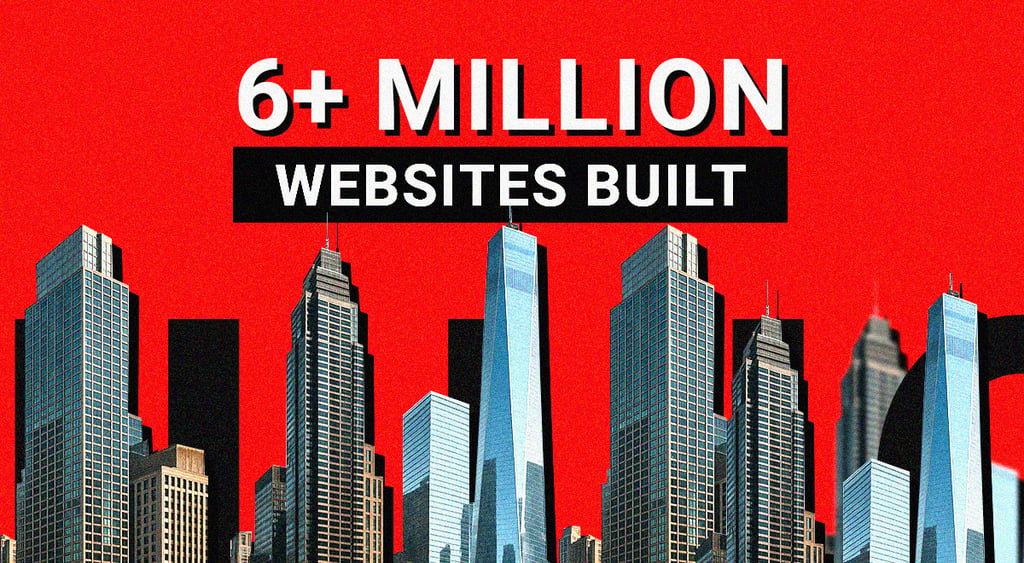
Competitors quickly followed. Squarespace rolled out Blueprint AI Builder, Universe debuted its chatty “Gus” designer, and Durable claimed it could “launch the next billion entrepreneurs.” Durable says more than six million sites have been spun up on its platform.
There are issues to bear in mind when using AI site builders. A recent study found code produced by popular AI assistants has lots of accessibility errors, inducing issues that can block screen‑reader users from basic navigation. There are also worries that vibe coding your own website using an off-the-shelf LLM, rather than one rolled into web hosts, could result in bad code and vulnerabilities.
So, should you hesitate?
The potential pitfalls pose a pertinent question: should you go down the AI route to create your website? If you run a farmers market stall or a weekend photography side hustle, probably not. AI builders shrink the cost of experimenting online to near zero.
It’s possible to register a domain, generate a logo, publish a site, and capture emails before lunchtime. The alternative to that, which involves waiting weeks and paying freelancers, can increase the time from idea to execution to the level that many will be put off.

But that decision does require some homework – more than you might think. It’s important that any website you create passes the most basic accessibility scans at least. Several free browser extensions will flag missing alt‑text for you, auditing any site you create.
Also, remember that the bots don’t deal with accountability at all. If your site leaks user data or fails a screen‑reader test, it is the owner, not the algorithm, who answers the lawsuit – and in the United States, litigiousness is common.
So by all means, say yes to the idea of AI-powered website creators, as they can help modernise your business and provide a vital digital shopfront at a time of increased competition. But just be aware of their limitations as well as their strengths – and as with all things AI, make sure it’s a co-pilot, rather than an autopilot experience.