Your period app may be sharing more than just your cycle, Dutch regulator warns
Red flags are being raised over menstrual cycle tracking apps.
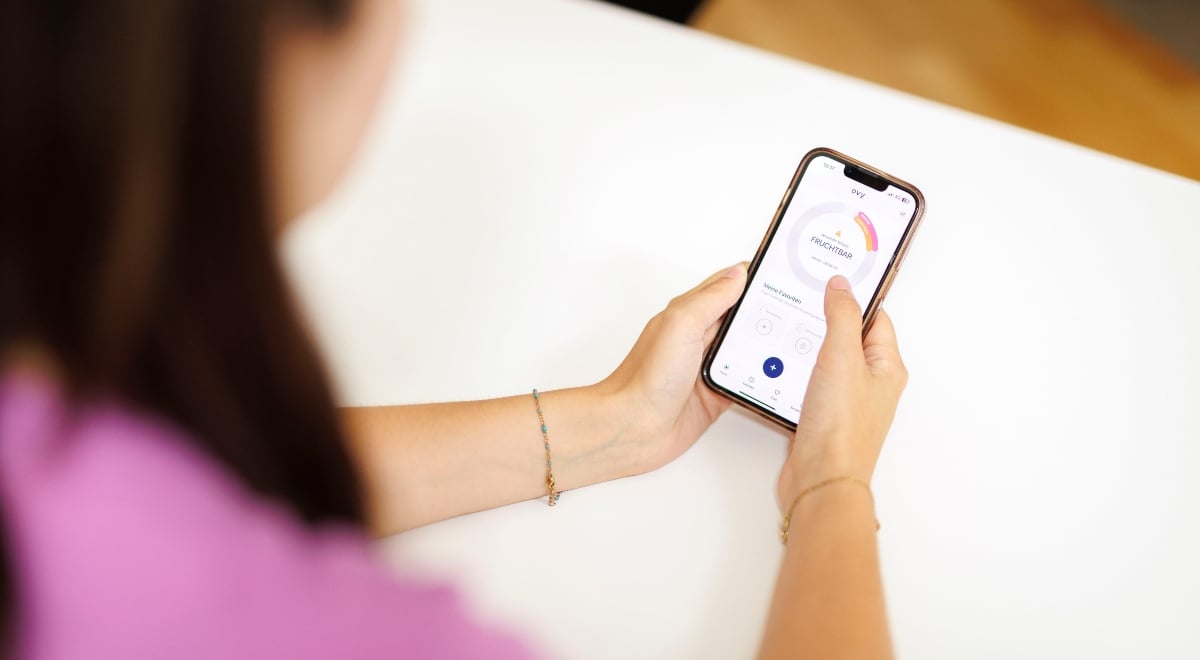
Cycle tracking app. Photo by Juliane Sonntag/Photothek via Getty Images

 Follow us
- Dutch regulators warn period-tracking apps may expose sensitive health, fertility, and sex-life data.
- The Dutch data protection authority may investigate whether apps share user data with advertisers without clear consent.
- Regulators warned leaked data could enable targeted advertising, hacking, blackmail, or other misuse.
Key Takeaways by nexos.ai, reviewed by Cybernews staff.
Period-tracking apps can expose highly sensitive health data. The Dutch data protection authority (AP) has called for caution and may launch an investigation into these types of apps.
Millions of women worldwide have installed a so-called period-tracking app on their phones. These kinds of apps allow them to track their menstrual cycle or pregnancy by, for example, entering when their period started, what hormonal symptoms they’re experiencing, and when they have sex.
These apps provide insight into the progression of the menstrual cycle and indicate when ovulation may occur.
According to European legislation, any health-related data is considered sensitive and is subject to additional protection. Such apps aren’t allowed to collect this type of data, except when someone has explicitly consented.



In practice, however, it’s unclear whether period-tracking apps share this information with advertising partners or other companies, and whether users are properly informed about this.
“Girls and women record a lot of intimate information in these apps. That makes them vulnerable, especially if this sensitive information ends up in the hands of advertisers without their consent,” AP Vice Chairman Monique Verdier says in a statement.
She also warns that this sensitive information could fall into the hands of hackers.
“These criminals specifically target the most sensitive personal data, because they can use it to blackmail people. Information about your health, fertility, and sex life is not meant for anyone else, only for yourself,” Verdier says.



Stay updated with our latest stories and follow us on social media
Be the first to discover new stories, ideas, and updates from our team.
The Dutch privacy and data protection authority has expressed concerns about period-tracking apps and may launch a formal investigation into them. It recommends checking what you are consenting to. If the information is unclear or if there’s no option to opt out of data sharing, do not share any information that you wish to keep private.
Last year, scientists from the University of Cambridge’s Minderoo Centre for Technology and Democracy called menstrual cycle tracking apps a “gold mine” for consumer profiling.
“Menstrual tracking applications turn personal health information into data points to be collected, analyzed, and sold. This poses risks and harms for users and society, as menstrual tracking data can be used to control people’s reproductive lives,” Dr. Stefanie Felsberger said.
In September 2025, Google and Flo, a period and fertility tracking app with more than 70 million monthly users, settled a class-action lawsuit for $56 million.
According to the plaintiffs, Google obtained access to the personal information via a software development kit (SDK) that the company provided to Flo for integration into the Flo app. Google then used this information to offer personalized ads and push notifications on social media sites, the Flo app, and email.