Karaoke giant warns 8.7 million customers exposed in supplier data breach
Personal details of millions may have been exposed.
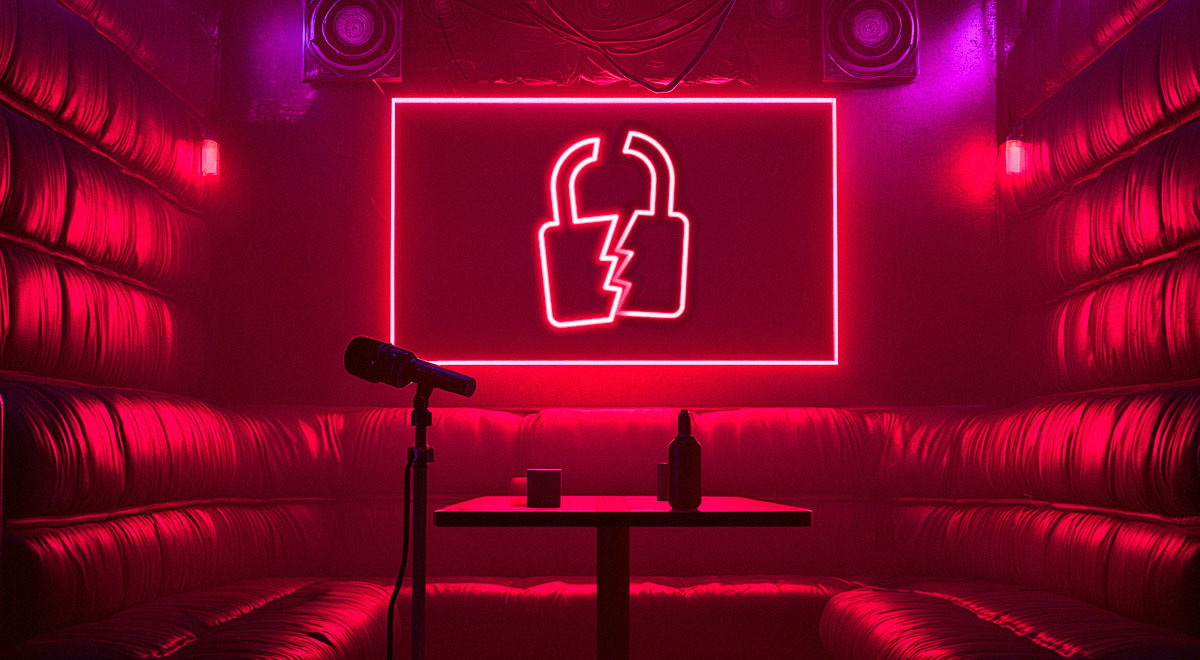
A neon Karaoke room, with a broken padlock on the TV screen. Image by Cybernews.

 Follow us
- Daiichi Kosho says 8.7 million customers may have had personal information exposed through supplier malware.
- Possible exposed data includes names, genders, birth dates, email addresses, and phone numbers.
- Big Echo accounts make up 5.6 million of the potentially affected customers.
- The company urges customers to avoid suspicious messages, links, and attachments.
Key Takeaways by nexos.ai, reviewed by Cybernews staff.
Japanese karaoke giant Daiichi Kosho has reported that the personal information of almost 9 million customers may have been leaked following a malware incident at its supplier, Nippon Columbia Group (NCG).
In a statement published on October 8th, Daiichi Kosho said NCG had discovered a malware infection on an employee's computer between October 1st and 2nd.
The karaoke firm said that personal data tied to outsourced work had been temporarily stored on the infected computer, and that this information could have been leaked to external parties.
Possible information that could have been taken includes customers' registered names, genders, dates of birth, email addresses, and telephone numbers, but this has yet to be verified.

One of Japan's largest karaoke brands, Daiichi-owned Big Echo, took the bulk of the hit, leaving 5.6 million customers facing the music. Also, 3.5 million are tethered to the DK Dining company, which is part of the same corporate branch.
A host of other sister companies that could also be affected include Mega Big, Banana Club, Karaoke Club Dam, and B-Garage.
Infosecurity Magazine reported that NCH has reset all compromised passwords, while Daiichi Kosho has opened a toll-free helpline for concerned customers.

Check if your data was exposed
Find out if your email and related personal information have appeared in known data breaches.
What the breach means for customers
Even without confirmed payment card or password theft, the combination of names, dates of birth, email addresses, and phone numbers could allow scammers the possibility to craft elaborate and convincing phishing emails, text messages, and other communications.
Daiichi Kosho has urged customers to be cautious regarding suspicious correspondence and not to open unfamiliar links or attachments.
The breach comes amid a wider run of cybersecurity incidents impacting Japanese businesses.
A separate incident hit Japanese cloud provider IDC Frontier on October 7th, disrupting services for hundreds of organizations, including the police, a press agency, a credit card company, and a fan-messaging platform for a female J-pop idol group.