Hackers crack Samsung Galaxy S26 and Pixel 10 with single email in zero-day attack
Japanese firm scoops top prize at Pwn2Own Ireland
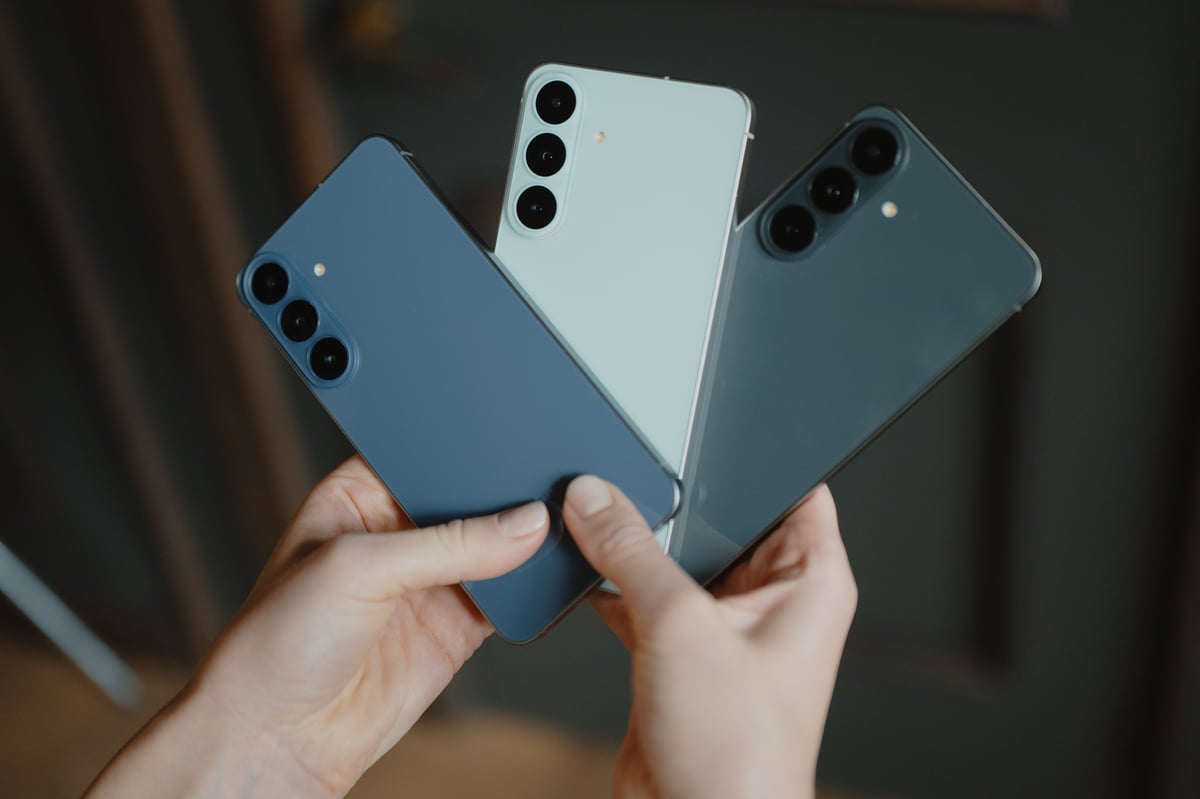
Samsung Galaxy S26 FE comes in three diferent colors. Image by Gabrielius Jauniškis

 Follow us
- Ethical hacker remotely ran code on a Samsung Galaxy S26 at Pwn2Own Ireland 2026 using one email.
- The attack chained four flaws; Samsung already knew about one before the demonstration.
- Pwn2Own showed three successful Galaxy S26 attacks involving five apparently new flaws.
- Ikotas later followed through on the Pixel 10, winning $300,000 and becoming the event's top-ranked team.
Key Takeaways by nexos.ai, reviewed by Cybernews staff.
Updated: Bug hunters say they’ve found a way to hijack a Samsung Galaxy S26 completely – just by sending it a single email. They later confirmed a second, more severe exploit chain – on Google's Pixel 10.
The flaw let security researchers at Ikotas Labs run their own code on the phone remotely, and they also claim to have a second, unpublished trick that digs even deeper into the device.
Ikotas, a Japanese security company, successfully hacked the Galaxy S26 remotely on Tuesday at Pwn2Own Ireland 2026, an event run by Trend Micro's Zero Day Initiative (ZDI).
The firm went on to compromise Google's Pixel 10 on Thursday, winning the contest's biggest prize.





The remote compromise used a chain of 4 vulnerabilities, only 1 of which was already known to Samsung, which landed Ikotas an $11K reward at the event.
“We have successfully executed remote code on the Samsung Galaxy S26,” Ikotas posted on X, following its demonstration.
“While we received a $11,000 bounty, the joy of demonstrating our technical prowess on the global stage is even greater.”
In total, the event demonstrated 3 successful attacks on the Galaxy S26 involving 5 apparently new flaws.
Viettel Cyber Security's Nguyen Thanh Dat used 4 bugs, 3 of which were already known to Samsung, while Interrupt Labs used another 4-bug chain containing 3 collisions (bugs already found by others) and 1 zero-day.
The flaw also affects Google’s Pixel 10
Ahead of the competition – which sees elite ethical hackers compete for cash prizes for attacks on mobile phones, smart home devices, printers, and coding agents – Ikotas said the zero-day it discovered affected both Samsung and Google’s flagship phones.

It's a zero-day that allows RCE [remote code execution] on the latest versions of Google Pixel 10 (probably works on 11 too) and Samsung Galaxy S26 with just sending 1 email,Ikotas CEO Satoki Tsuji said in an X post, dated October 1st.
“There's also a chain that enables LPE [local privilege escalation] afterward. Actually, I've discovered multiple RCE methods for each device, and I plan to report all of them to the vendors," he added.
Ikotas follows through on the Pixel 10
On Thursday Ikotas announced it had successfully executed remote code execution on the Google Pixel 10 using the same flaw – the first complete exploit of the device at this year's event – winning a $300,000 prize.
"At this point, we've become the world's top 0-day vulnerability discovery team," Ikotas said.
ZDI confirmed the result, awarding Ikotas Labs 30 Master of Pwn points and crowning it the event's top-ranked team after it chained multiple bugs together to pull off the exploit.
Law enforcement use case
In a post dated October 1st, Ikotas Labs suggested the flaw could be used for offensive hacking in law enforcement. This follows growing demand for tools that let police crack locked phones in criminal probes, as seen with Cellebrite's tool which cracked Trump’s shooter’s phone in 40 minutes, following his assassination attempt in 2024.
It also aligns with Japan’s push for "hack back" powers letting state agencies disable hostile servers and devices.

As Ikotas says in a post dated October 1st, "Amid growing demands for the adoption of remote smartphone analysis techniques in criminal investigations, we will showcase that a domestic company is technically capable of achieving this."
ZDI has not yet published CVEs, affected components, or technical details for any of the new flaws demonstrated at the event, meaning their severity ratings are not yet known.