Piracy surges as films and TV shows reach international audiences at different times
Predictably, lists of the most pirated Oscar-nominated movies appear almost every year in our newsfeeds. The combination of intense global curiosity and uneven release schedules creates a perfect storm, where audiences who want to watch a nominated film before the Oscars turn to dodgy downloads or illegal streams. But how did we get here?
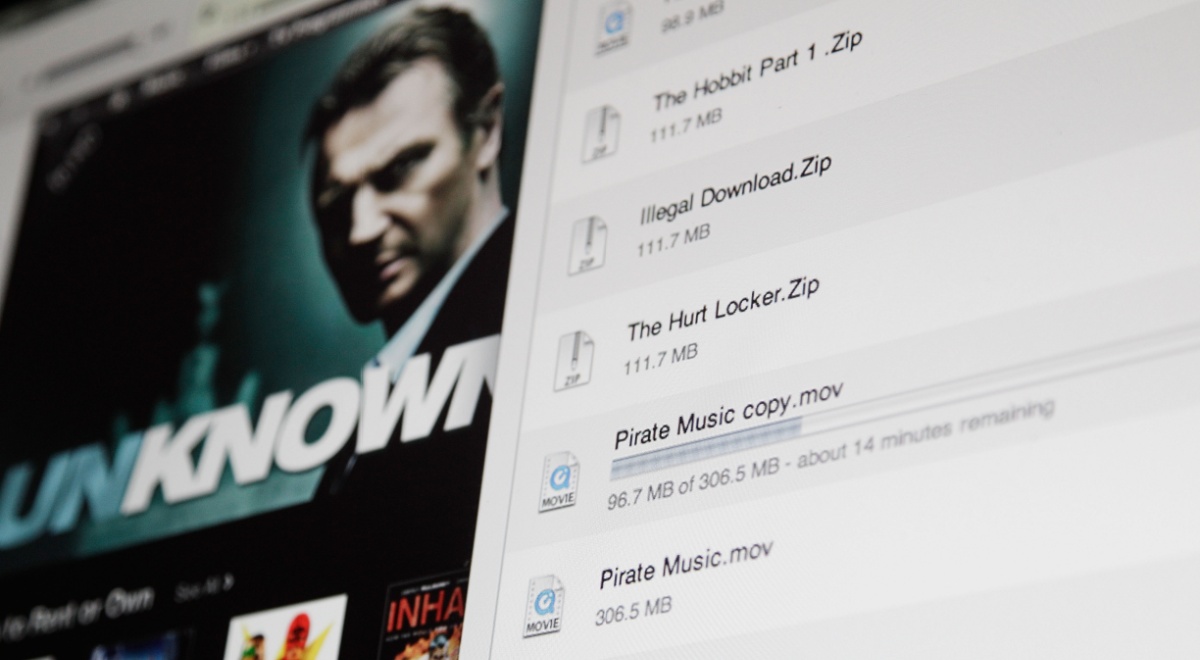
Pirated music and films being illegally downloaded. Matthew Lloyd/Getty.

 Follow us
Predictably, lists of the most pirated Oscar-nominated movies appear almost every year in our newsfeeds. The combination of intense global curiosity and uneven release schedules creates a perfect storm, where audiences who want to watch a nominated film before the Oscars turn to dodgy downloads or illegal streams. But how did we get here?
Historically, studios released films in different regions at different times because there was only a limited number of physical film reels to ship from country to country. Even though digital distribution now allows a film to be delivered worldwide almost instantly, the industry still follows many of the same patterns.
The argument for staggered releases is that they can also help build momentum. But once a film premieres in its first market, cam recordings or leaked copies can appear online within hours.
In the span of a few weeks, higher-quality digital rips will become available as they hit streaming platforms. By the time some countries receive their official release, high-quality pirated versions are widely available online.






Shorter release windows deliver more profit without driving piracy
The traditional theatrical release window used to be around 90 days, meaning films would stay exclusively in cinemas for three months before appearing on digital platforms or streaming services. That model has largely disappeared.
Today, the industry typically operates with much shorter windows. Many movies now move from theaters to digital rental or purchase in about 30 to 45 days, depending on how well they perform at the box office.
Shortening the traditional delay between theatrical releases and digital availability may benefit the film industry rather than harm it. Reports suggest that advancing digital access had almost no measurable impact on theater revenue, with the research estimating a decline of less than 1% during the first eight weeks of a film's run.






At the same time, the shorter window created a meaningful financial benefit for studios. By allowing audiences to purchase or rent films digitally while they were still playing in theaters, studios saw an estimated 12% increase in early revenue from premium video-on-demand sales.
Reducing release windows can help satisfy legitimate demand, increase studio income, and give audiences faster access without triggering the piracy surge that many industry executives fear. But many believe it's also making a trip to the cinema less appealing.
Why staggered global releases often come with new film titles
Staggered releases give film studios another chance to promote films that didn't perform well at the box office by giving their marketing team a second chance to get it right when promoting the same film to different international audiences.
Instead of labeling a film a box office disaster after its first release, a film can receive a second shot at success by using a different name (or a different subtitle) or by repositioning it with a new tagline.
Edge of Tomorrow is a great example of this. It was a Science Fiction/Action film with great reviews, but failed to draw big crowds when it opened in theaters and therefore ended up on DVD and Blu-ray. The film’s poor box office performance eventually gave the studio a second chance to promote it and use the tagline "Live Die Repeat" to better explain the time loop and show the film’s value to moviegoers.
This same strategy was also used in the sci-fi thriller John Carter. The vague title was blamed for a poor box-office performance. Marketing for later international releases changed the title to John Carter of Mars to better promote its science-fiction setting.
Rewriting a film's narrative can attract audiences who may have overlooked it the first time around, preventing the release from being a complete disaster.
Delayed streaming release of The Pitt continues to fuel piracy
The global access gap also frustrates audiences when major TV shows premiere in one country while viewers elsewhere are forced to wait months or even years to view the same content.
The award-winning medical drama The Pitt is another example of legacy release strategies and licensing restrictions pushing viewers towards piracy. The series launched in the US on Max way back in January 2025, with critics praising its real-time storytelling, which follows a single 15-hour emergency room shift.
Every episode trended on social media, and multiple Emmy Awards followed. The second series continued to build momentum in the US, but viewers in the UK still have no legal way to watch the show everyone is talking about.
In the UK, any American dramas from Warner Bros. Discovery traditionally arrive through deals with Sky and NOW. But those agreements mainly cover HBO network programming rather than shows branded as "Max Originals." The Pitt was produced specifically for the Max streaming service rather than the HBO network, meaning it fell outside that automatic pipeline.
A few years ago, there was a similar delay with three The Walking Dead spin-offs that were left without a legal home. By the time the show launched in the UK, all the episodes had been widely discussed online, and the moment had passed.
When fans of any TV or movie franchise are left out of the global conversation and have no legal way to watch, they will inevitably turn to illegal streaming or downloading.
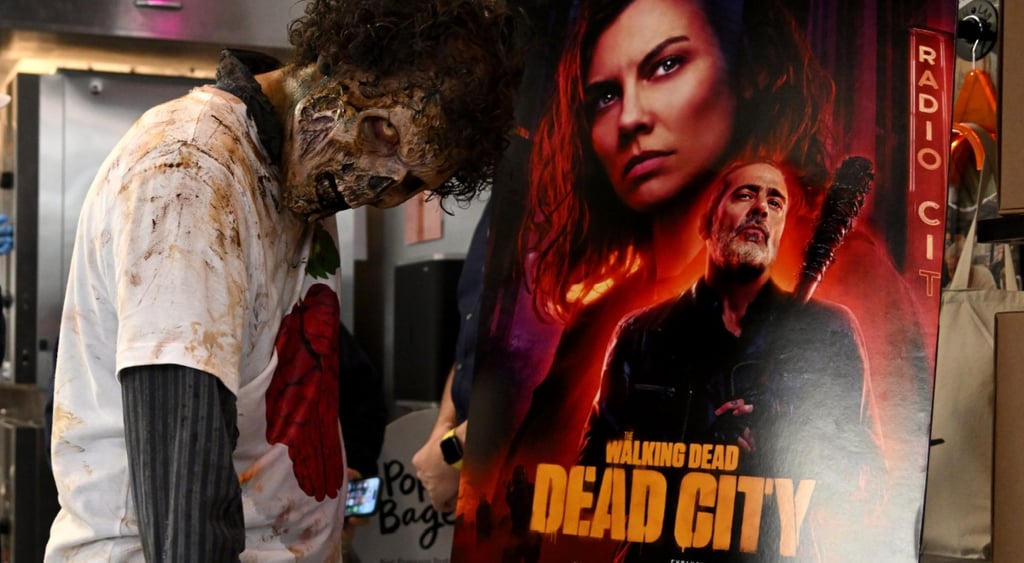
The access gap that turns movie fans into pirates.
Trailers, reviews, award nominations, and social media responses are among the many things creating buzz for award-nominated movies and TV shows. But while the buildup to the 98th Academy Awards is being followed online in real time, outdated scheduling practices and licensing structures are creating a disconnect with audiences.
As long as distribution models fail to evolve at the same rate as global conversations, the access gap will continue to be filled by piracy. When entertainment can be accessed from anywhere in the world instantaneously, the greatest threat to the industry isn't piracy itself, but the delay in accessing entertainment that makes piracy seem like the only option.
Unlock more exclusive Cybernews content on YouTube.