TP-Link routers sued by Texas: here’s what happened
Texas is taking one of the nation’s most popular router brands to court, accusing TP-Link of links with China.

 Follow us
Texas is taking one of the nation’s most popular router brands to court, accusing TP-Link of links with China.
The Texas attorney general has raised the legal axe against one of the most popular router providers, TP-Link Systems.
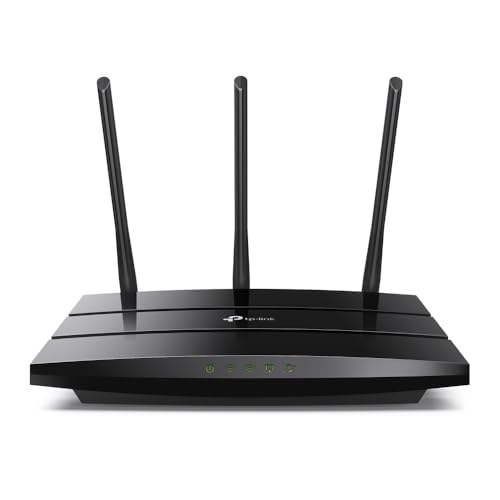
The allegations are that the California-based company’s routers and other devices have been quietly allowing Beijing to peek into Americans’ lives.
Attorney General Ken Paxton slammed the company on Tuesday, saying TP-Link had “deceptively marketed” its products as safe and private while, in reality, they’ve been exploited by Chinese state-sponsored hackers to launch cyberattacks on US soil.
The lawsuit follows an investigation into TP Link that Attorney General Paxton announced in October 2025.






"With nearly all of its products’ parts imported from China, TP-Link’s deliberate deception towards Texans regarding the nationality, privacy, and security capabilities of its networking devices is not just illegal – it is also a national security threat," Paxton said, calling it a recipe for secret surveillance and exploitation of Texans.
The lawsuit comes hot on the heels of a string of similar moves. Last month, Texas barred state employees from using TP-Link devices. And in December, Paxton sued Chinese TV giants Hisense and TCL, alleging their products collect viewers’ data in real time for Beijing.
Citing a May 2023 report from Check Point Research, Paxton’s office pointed to firmware vulnerabilities in TP-Link devices that allegedly helped the Chinese hacking group Camaro Dragon carry out cyber operations in the US.
Paxton also highlighted China’s national intelligence laws, which compel domestic companies to cooperate with government data requests, painting TP-Link’s products as potential backdoors into American networks.






TP-Link fired back, insisting that the lawsuit is “without merit.” The company emphasized that it’s an independent American entity, headquartered in California, with all core operations and US user data stored on Amazon Web Services servers.
According to the company, the Chinese government has no ownership or control over our products or user data.
“We will vigorously defend our reputation as a trusted provider of secure connectivity for American families,” the company said.
In October last year, the Commerce Department reportedly proposed banning sales of devices from TP-Link Systems, a company whose products make up over a third of the home router market.
TP-Link Systems’ website claims it controls 36% of the US home router market based on direct sales, though the real share is likely higher when factoring in devices bundled by internet service providers.
But popularity doesn’t equal security. Cybersecurity experts told Cybernews earlier this year that these routers aren’t necessarily safe. In September, CISA issued a warning that hackers were actively exploiting a flaw in widely used TP-Link WiFi extenders.
Unlock more exclusive Cybernews content on YouTube.