UK cracks down on Iran, Russia, North Korea, China cyber ops
The UK is arming up by passing bills that aim to deal with hostile foreign influences, as the terrorism threat continues to rise and state-sponsored hackers refuse to quit.

Image by Cybernews.

 Follow us
The UK is moving to strengthen its national security laws as hostile states use espionage, cyberattacks, propaganda, and proxies to threaten the country.
- The 2026 National Security State Threats Bill would give authorities new powers to deter, detect, and disrupt foreign intelligence operations in the UK.
- Iran, Russia, China, and North Korea are described as active hostile states, with tactics ranging from espionage and political interference to state-sponsored hacking.
- Cyber threats are a central concern, including Russian-linked router attacks, North Korean remote worker scams, and Iranian propaganda campaigns using AI and online platforms.
- The reforms also include changes to the Computer Misuse Act and broader cybersecurity rules to protect more sectors from rising cyberattacks.
The UK has introduced a bill that grants authorities “new powers” to deal with foreign intelligence operations in the country.
The government has said it is “determined to deter, detect, and disrupt” state actors who wish to compromise national security.
The 2026 National Security State Threats Bill has been fast-tracked due to a “wave of alarming antisemitic attacks in the UK,” the government said.





Subject to approval from the Parliament, the new law is expected to come into effect as early as July 2026.

The bill will give intelligence agencies better tools and more power to fight proxies who are fighting on behalf of these foreign actors.
Iran, Russia, China, and North Korea have been dubbed as active hostile states in the UK in recent years and have shown “a pattern of attempted foreign interference.”
Former Prime Minister Rishi Sunak previously said that the UK is “under daily attack with aggressive acts from espionage to cyberattacks.”
Hostile foreign states have always operated in the country, using the ancient art of espionage and political interference, while also leveraging evolving technologies.

State-sponsored hacking is among the most prolific forms of foreign interference, as Advanced Persistent Threats (APTs) are frequently used by hostile states to steal confidential information through data exfiltration or espionage.
“Fancy Bear,” an APT group linked to Russian military intelligence (GRU), was reportedly hijacking TP-Link routers in the UK to steal passwords and other critical information.
Remote IT worker scams have become a global problem, with North Korean state-sponsored hackers applying for tech jobs in the UK, US, and Australia to steal company secrets.
Iran’s Islamic Revolutionary Guard Corps (IRGC) is spreading propaganda via social media platforms, streaming services, standalone websites, and blog hosting sites, using AI and other technologies.
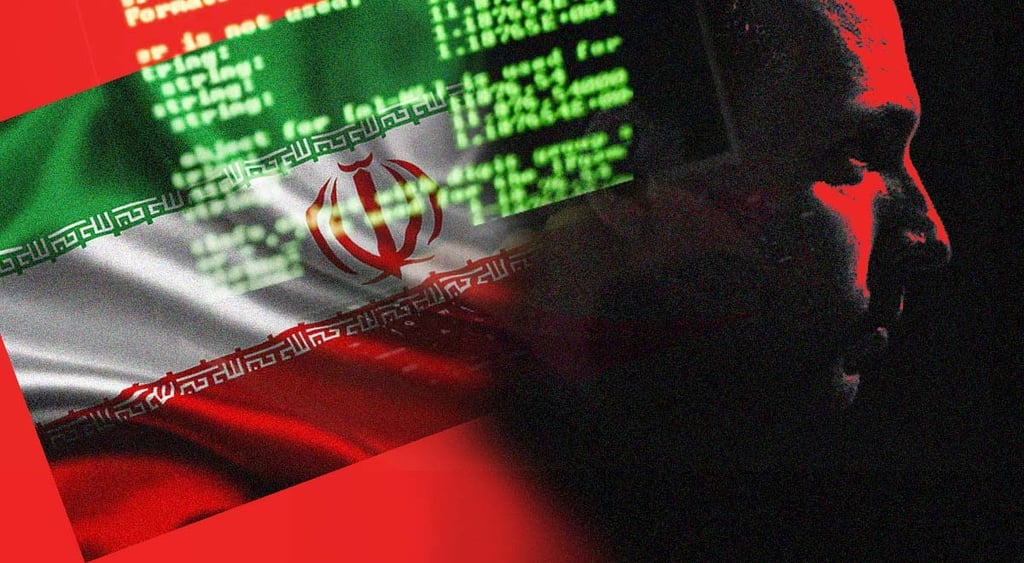
A joint task force identified 14,200 posts linked to the group on mainstream platforms and IRGC-specific websites or blogs.
The UK’s intelligence agency, MI5, raised the terrorism threat level to severe in May this year, saying that there is a substantial threat of a terrorist attack.
MI5 cites a significant number of terrorist incidents, including online radicalization, and threats to specific communities due to the continued conflict in the Middle East.
The National Security Bill will also include the long-awaited reform of the 1990 Computer Misuse Act, which should give authorities more power to defend against a wider array of cyber threats.

The UK seems to be going through various stages of reform, with a bill currently being reviewed that aims to “improve cyber security and resilience.”
This bill would expand the UK’s cybersecurity framework to encompass more sectors and enhance the country’s defenses against the increasing number of cyberattacks.






Unlock more exclusive Cybernews content on YouTube.