Your car is a spy in disguise, Dutch intelligence service warns
That shiny new car you just bought or leased could be a tool designed to give away your secrets.
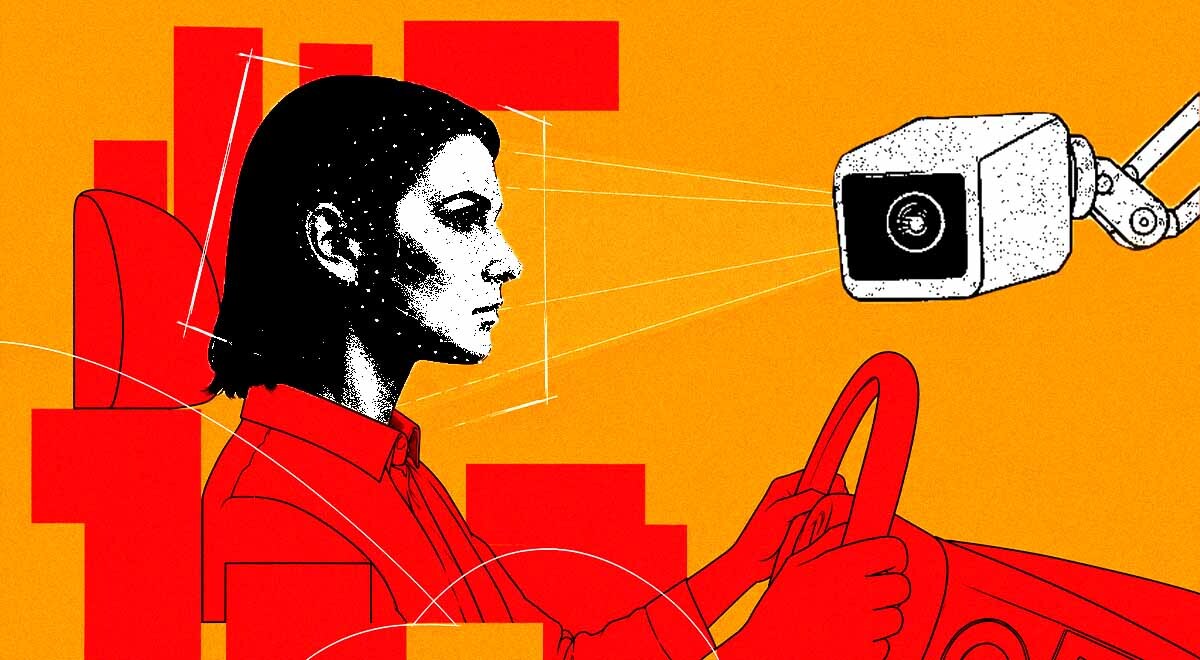
Image by Cybernews

 Follow us
- Modern cars collect data through cameras, microphones, GPS, infotainment systems, and connected services.
- The Dutch AIVD warns this data can interest state-backed hackers, cybercriminals, and companies with access.
- Drivers often cannot control what their vehicles store or transmit automatically.
- The AIVD advises avoiding confidential talks near smart cars and limiting sensitive navigation entries.
Key Takeaways by nexos.ai, reviewed by Cybernews staff.
Modern vehicles are getting smarter by the day, increasing the risks of digital espionage and data theft by hackers.
Cameras, microphones, GPS trackers, infotainment systems: nowadays, cars are equipped with technology that’s continuously connected to the internet.
On the one hand, this offers practical benefits. It makes it easier and safer to navigate to your destination, make a phone call, or quickly send a text message.
But on the other hand, these systems collect a great deal of personal data about drivers, passengers, the vehicle itself, and objects and people in the immediate vicinity.




For example, let’s say a high-ranking government official, a person holding a key position in the critical infrastructure sector, or any other person holding sensitive information is having a conversation in a smart car. This information could be interesting for state-sponsored hackers and cybercriminals.
Drivers and passengers often have no control over the data stored or transmitted by the vehicle, as this occurs automatically and without their knowledge.
Vehicle manufacturers often have access to this data, while dealers, leasing and maintenance companies, app developers, vehicle parts manufacturers, and cloud service providers can also gain exposure to it.
This increases the risks of espionage and data theft, the General Intelligence and Security Service (AIVD) warns.
“In addition to these companies, malicious actors are interested in this data and most likely also have access to it. For state actors, these data streams are an attractive source of information,” the Dutch intelligence service explains in a brochure that was publicly released on Wednesday.
According to the AIVD, some state actors can request vehicle-sourced data from companies or carry out hacking operations themselves to gain access to relevant systems. Cybercriminals and hackers may also find it worthwhile to obtain sensitive data to hold it for ransom or sell it.



Stay updated with our latest stories and follow us on social media
Be the first to discover new stories, ideas, and updates from our team.
That’s why we should be mindful of the risks associated with modern vehicles.
Therefore, the intelligence agency recommends not having confidential conversations in or around smart cars, not using a vehicle with an external camera when travelling to a sensitive location, and not connecting a smartphone to a USB port but instead using a data blocker.
In addition, we should be cautious when entering personal details into the car’s navigation system, such as a home address or sensitive location.
Risks associated with GPS tracking, telematics modules, or EV charging stations cannot be prevented through technology or behavior. Therefore, the risks of using the vehicle should be weighed against the purpose and nature of the trip, the AIVD advises.