Is your old iPhone the answer to the critical metals crisis?
A periodic table in your pocket.
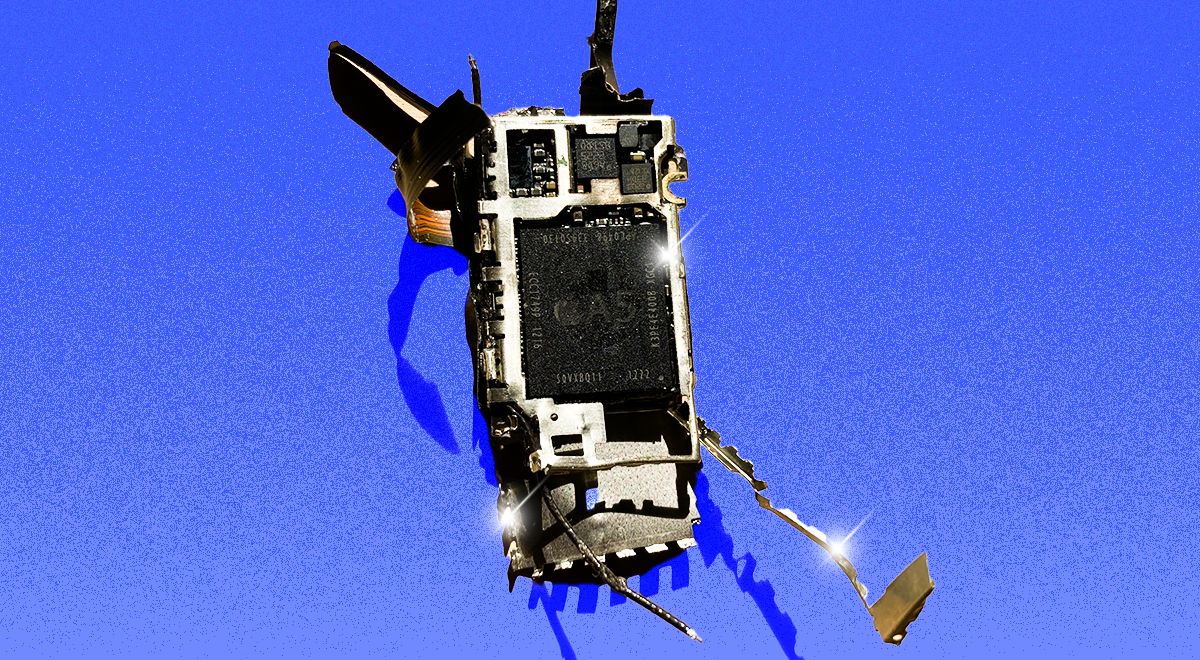
Disassembled iPhone

 Follow us
- Smartphones contain small amounts of gold, silver, palladium, copper, aluminum, and rare earth elements.
- Certified e-waste recyclers give old devices a better chance of safe metal recovery.
- Repair barriers remain: only about 18% of reviewed EU records linked to useful repair information.
Key Takeaways by nexos.ai, reviewed by Cybernews staff.
Our devices contain numerous precious metals, which might be a big enough incentive to recycle them. However, the repair and recycling processes require some catching up.
It’s no surprise that smartphones are getting more expensive. Some may write this off as a memory shortage caused by the rise of AI, but that isn’t the only contributing factor.
Smartphones include a number of valuable metals, such as silver, gold, and even rare earth elements.
For example, an iPhone may contain around 0.034g of gold, 0.34g of silver, 0.015g of palladium, and less than one-thousandth of a gram of platinum. It also has aluminum (25g) and copper (around 15g), according to the BBC.






This doesn’t mean we should start disassembling our phones to make a quick buck, since these materials are worth recovering only in large quantities.
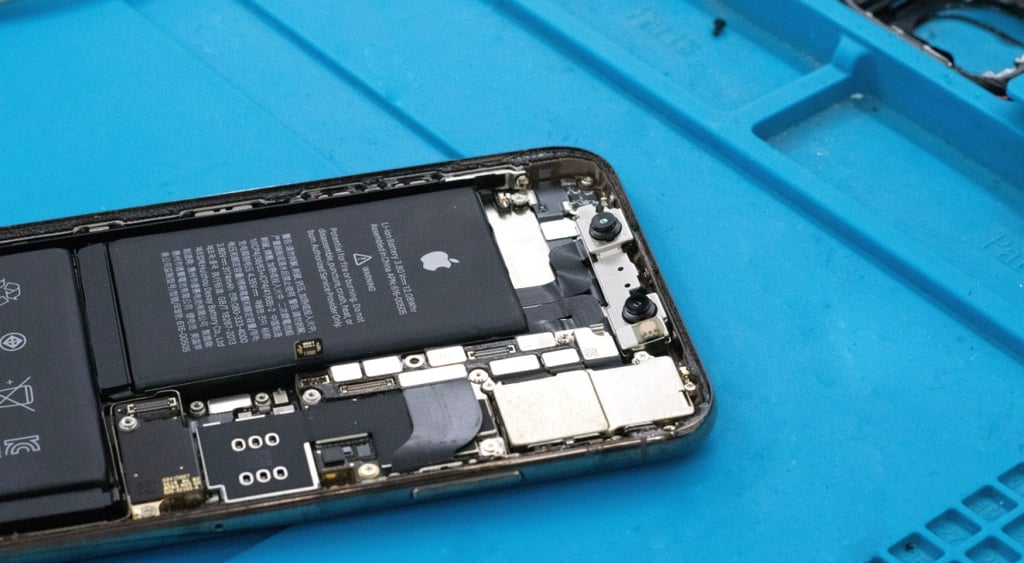
Nevertheless, failing to account for how certain valuable metals and materials are used and recycled may affect future device production and the environment.
But even paved with good intentions, the path to recycling might be tricky.
What is your smartphone made from?
“Every electronic device has, in order of appearance, copper, silver, gold, palladium as the primary metals sought after in markets,” explained Thomas Hogye from Pedal Point Lifecycle Solutions, who spent 25 years in the electronic device recycling industry, to Cybernews.
The expert added that these devices also include rare earth elements (REEs), such as Neodymium, Dysprosium, Praseodymium, and more, “as advancements in technology, conductivity, and performance have dictated using these elements.”
He also revealed that while these are used in very small quantities, they are difficult to mine and refine.
As consumers, the best way we can help maintain these materials is by recycling.
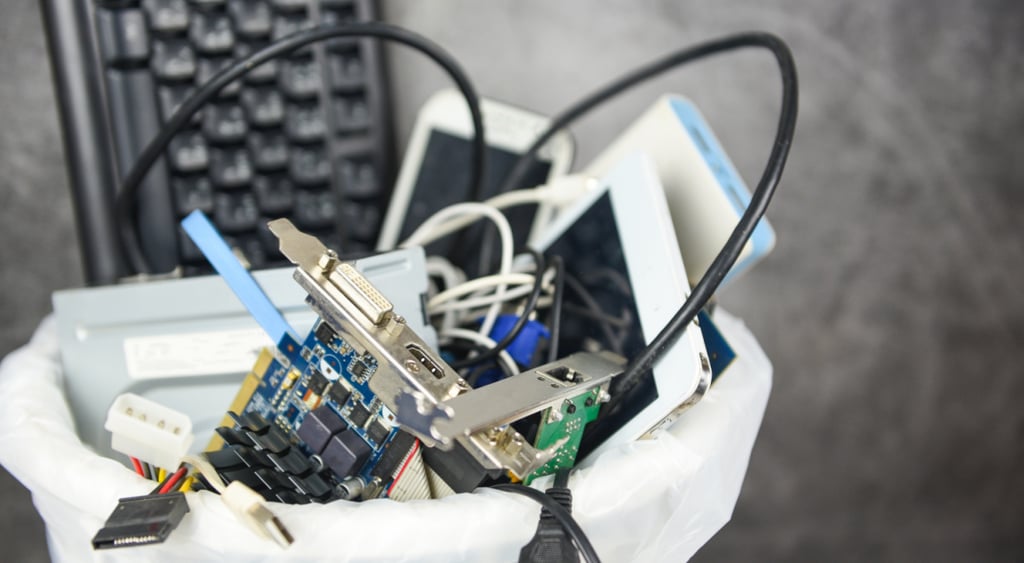
Hogye noted that when doing so, it’s important to dispose of our devices with an e-Steward-certified recycling company.
e-Stewards-certified recycling ensures that the recycler follows the rules for the ethical, secure, and safe disposal and reuse of electronics.
“This certification means the devices have the best chance of getting to a downstream processor that will recover these metals,” explained the expert.
“Otherwise, even with other certifications, the likelihood of anything being recovered in an environmentally sound manner is minimal,” he concluded.
How do rare earths end up as part of your phone?
China is recognized as the leader in the global critical minerals market, controlling around 60% to 70% of global mining production and refining around 90% of rare earths.
This advantage has raised concerns among other countries about China’s monopoly over these materials, prompting the US to focus on producing them domestically to reduce its dependence on China.
However, the US will rely on China for rare earths until 2030, while working on its own mining and processing facilities, according to Reuters.
Authentic repairability
Understanding that devices retain some of their value even after we no longer use them should be enough motivation to find a better use for them than just leaving them in our drawers.
It was recently reported that Samsung Electronics has developed a way to authenticate its smartphone batteries by adding security chips to them.
The company is expected to apply this verification method to its Galaxy A models and to release 50 million units with battery security chips next year, The Elec reported.



Stay updated with our latest stories and follow us on social media
Be the first to discover new stories, ideas, and updates from our team.
Samsung uses authentication chips to ensure that the components in its devices are genuine.
While the company encourages users to replace their device components through official service centers, some users opt for independent shops, which often offer the service at a lower price.
However, this could also mean that the replacement isn’t the same quality.
The battery's authenticity also affects recycling processes. The battery’s architecture and its use affect the recycling process and mineral recovery.
Does the right to repair exist only on paper?
The expert noted that integrated batteries made recycling very expensive. As a result, at least 80% of devices are sent offshore, with Original Equipment Manufacturers (OEMs) choosing service providers based on the price they offer rather than the quality of their recovery processes.
One way users can help reduce the use of precious metals is by using their devices for as long as possible. However, if you decide to repair your smartphone instead of getting a new one, that might also be tricky.
This year, the EU introduced the Right to Repair directive, which aims to make it easier to repair a range of electronic devices, such as smartphones, tablets, and kitchen appliances.
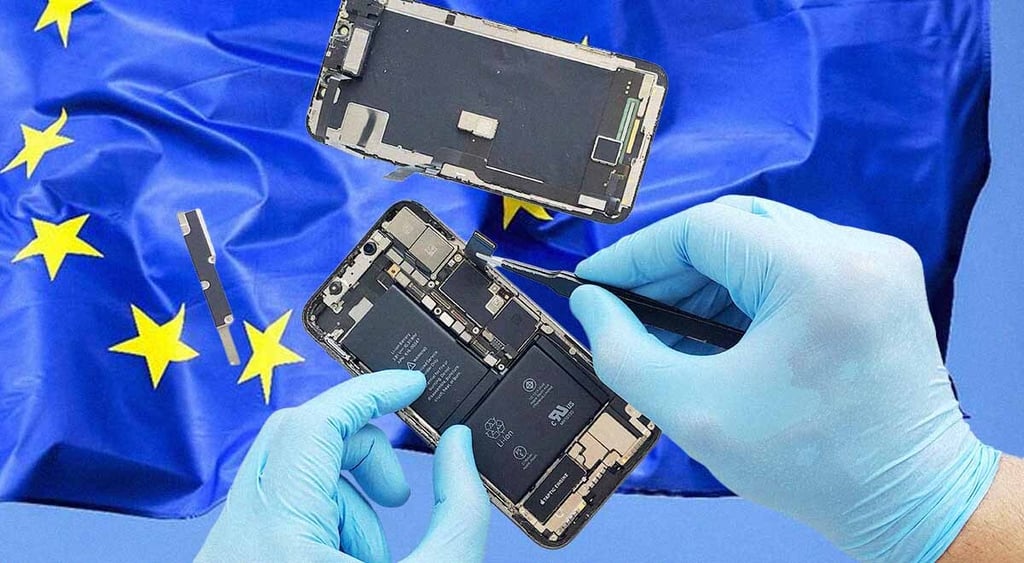
However, this could be easier said than done, as right-to-repair advocates examined more than 7,000 records from the official database, in which manufacturers and importers must register the websites where required information is available.
Their analysis revealed that many failed to add relevant information or linked to websites that don’t include necessary data.
The findings showed that only about 18% of records include websites that link to pages where users can find repair instructions or spare parts prices.