Taiwan hunts Chinese tech firms hiding in plain sight amid talent war
Taking a byte out of Taiwan
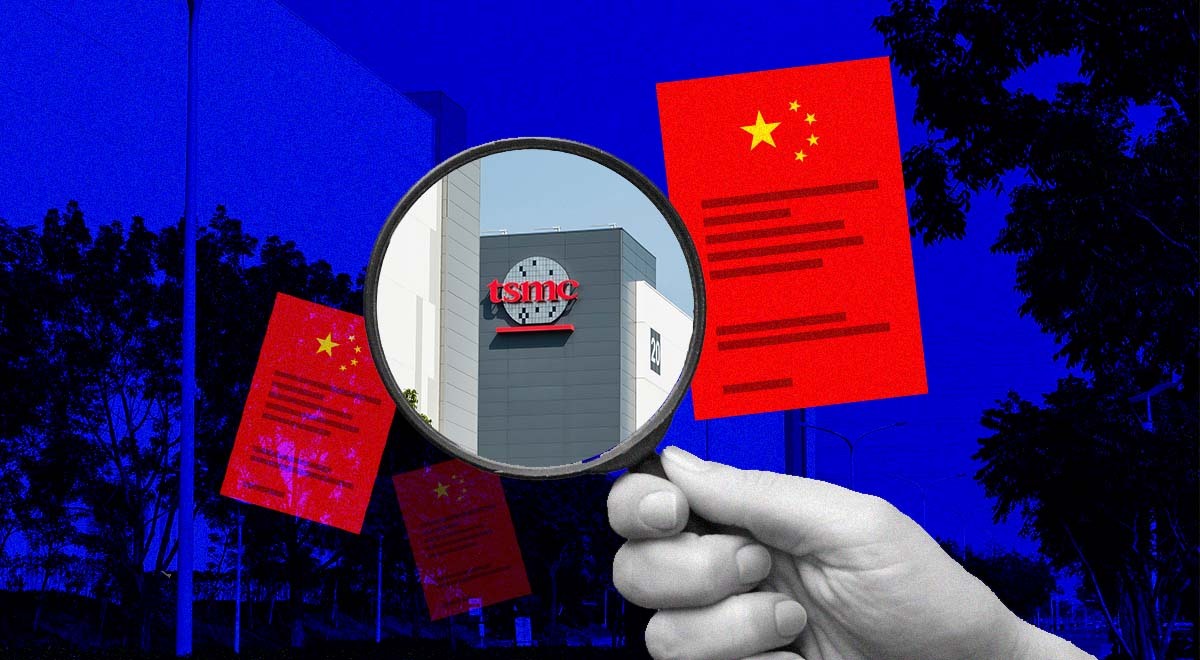
Chinese flags surrounding the Taiwanese Semiconductor Manufacturing Company. Image by Cybernews.

 Follow us
- Taiwan has investigated 166 suspected Chinese microchip trade secret cases since 2020, with 36 convictions.
- Investigators say some Chinese firms hide ownership through shell companies or non-Chinese registrants.
- Chinese companies reportedly offer Taiwanese chip workers salaries up to 10 times local pay.
- Experts warn talent losses and hidden ownership could weaken Taiwan's chip dominance over time.
Key Takeaways by nexos.ai, reviewed by Cybernews staff.
Since 2020, Taiwan's Ministry of Justice Investigation Bureau has investigated 166 cases of Chinese companies suspected of stealing Taiwanese trade secrets, with 36 clear convictions so far. But what implications could this have on Taiwan's future?
And with Taiwan Semiconductor Manufacturing Co. (TSMC), the world’s largest chipmaker, comprising almost three-quarters of the market share, its continued dominance is critical to the island's economy.
Chinese companies are allowed to operate in Taiwan, but they need government approval under the Cross-Strait Act, creating an obvious incentive to disguise who is really behind a business.
According to Taiwanese investigators, some companies are circumventing these rules by setting up shell companies in third countries or using non-Chinese nationals to register businesses, making them appear Taiwanese or otherwise unconnected to China.






Kit Conklin, chief strategy and global affairs officer at a supply chain management firm Exiger, told Cybernews that this represents “an extremely serious threat,” particularly because PRC companies working with dual-use or critical technologies can be adept at concealing their connections to China.
PRC companies involved with dual-use or critical tech like AI are especially adept at disguising connections to the PRC military or other sensitive end-users,Kit Conklin, chief strategy and global affairs officer at a supply chain management firm Exiger.
That makes the ownership question more important than it might sound: if regulators don't know who ultimately owns or controls a company, they have a much harder time knowing who is really gaining access to Taiwan's technology sector.
The cases aren't confined to unknown startups either, with major Chinese technology companies including Xiaomi, OnePlus, Oppo, and semiconductor giant SMIC named in reporting on the investigations.
Conklin believes Taiwan needs to make it much harder to hide corporate ownership, arguing that “the most effective way to counter this problem is for Taiwan to establish a fully public, centralized registry for Ultimate Beneficial Ownership (UBO) data."
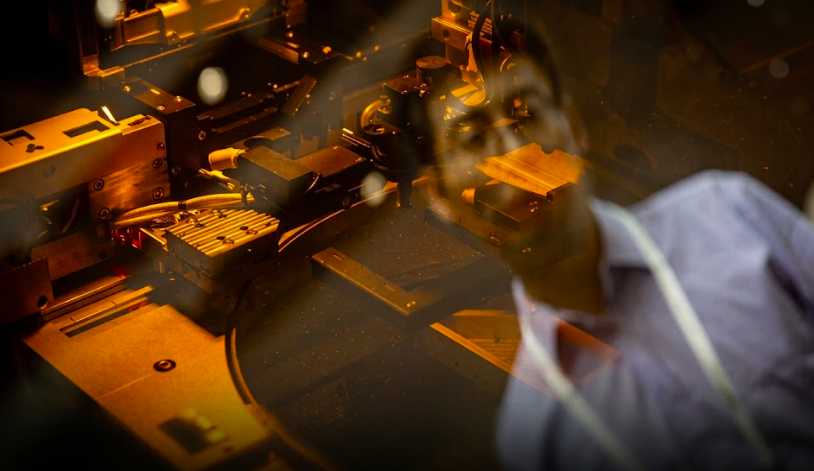
The real prize could be Taiwan's chip experts
The companies aren't just operating in Taiwan's technology ecosystem – Chinese firms are also accused of aggressively targeting the people who make that ecosystem so valuable.
Chinese companies have reportedly offered Taiwanese semiconductor workers salaries several times higher than they could earn at home, with some offers reaching as much as 10 times local pay.
Conklin says the reason is simple – China needs experienced semiconductor workers to help its own chip industry catch up, and there aren't enough people in the world with the specialist knowledge needed to build and operate advanced fabs.
China needs the best semiconductor technology and talent from around the world to help state-backed companies scale manufacturing capacity,Kit Conklin explained.
He also explained that semiconductor fabs are “some of the most complex pieces of technology humans have ever built.”
Conklin added that “talent is a significant bottleneck,” essentially meaning that China's scouting for foreign talent could cause issues for fair competition across the field.
An experienced Taiwanese chip specialist can carry years of knowledge about manufacturing, design, and troubleshooting that can't simply be bought off the shelf, and losing these experts could be ominous in the coming years.
Conklin warns that continued talent losses could weaken Taiwan's enormous chip advantage over time, saying Taiwan “must protect that advantage from the PRC government or risk deindustrialization, similar to what we are seeing in Germany right now with autos.”
And by that, Conklin is referring to the siphoning off of Germany's automotive expertise, as companies like Volkswagen, BMW, and Mercedes fall behind other global superpowers, namely China.
The same hasn’t happened for Taiwan's microchips yet, but when experts sound the alarm, it’s time to take note.
The next front in the chip war
The ownership investigations and talent poaching are happening against the backdrop of a much bigger fight, as China tries to build a self-sufficient semiconductor industry while the US restricts Beijing's access to advanced chips and manufacturing technology.
Rather than building factory after factory, China sees Taiwan's talent pool as a valuable resource as it plays catch-up.
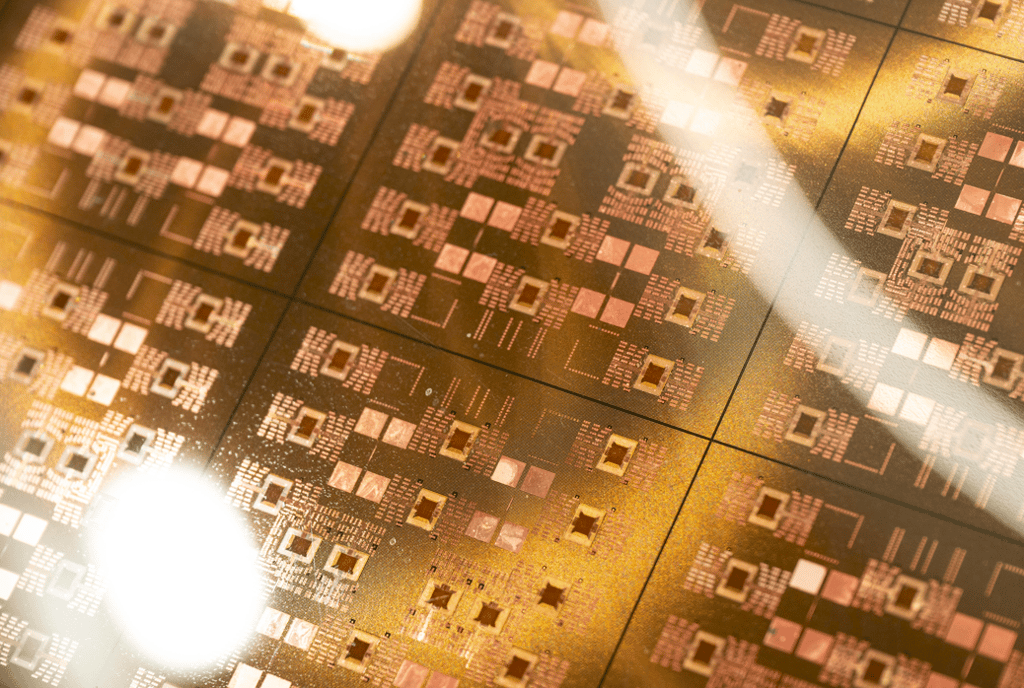
Conventional investment wouldn’t provide the route back into the microchip ecosystem that Beijing craves. Shell companies and disguised ownership seem to be their preferred method.
Taiwan has separately investigated 67 cases involving Chinese companies suspected of stealing Taiwanese trade secrets, adding another layer to concerns over technology and intellectual property, according to the Ministry of Justice Investigation Bureau.

Check if your data was exposed
Find out if your email and related personal information have appeared in known data breaches.
Conklin argues that the battle is increasingly moving into the supply chain itself, noting that “illegal transshipment is the front line of the US-China semiconductor war” as Washington tries to stop restricted technology reaching Chinese companies through intermediaries.
“The US Government is cracking down on this illicit activity,” Conkin concludes, adding that companies should expect “more regulatory attention on this issue, particularly on front companies and shell companies that are actively supporting illegal technology acquisition.”
For Taiwan, the challenge is particularly difficult. It has to protect its engineers, intellectual property, and chip industry from Chinese influence while remaining open enough to sustain the global technology industry that made it so important in the first place.