Valentine’s Day warning: romance scams surge as victims stay silent, new survey finds

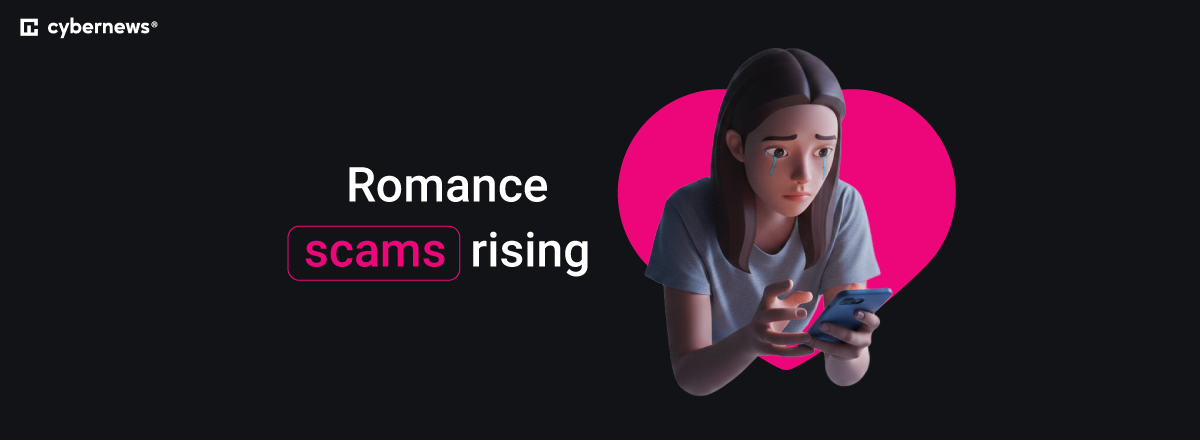
As Valentine’s Day approaches, love is in the air, but so are romance scams. While many Americans are making flower arrangements and making dinner reservations, others are navigating online dating platforms where not every profile is genuine. This year, Coveron, formerly NordProtect, is spotlighting the issue at a time when emotions and financial risks tend to run high.

Romance scams remain underreported, especially by men
A new survey reveals that 55% of Americans who lost money to romance scammers believe it is easier to talk about falling victim to other types of scams than romance scams. Shame and embarrassment continue to silence many victims.
The findings also challenge common assumptions about who is most at risk.
- 19% of male respondents said they became victims of romance scams, compared to 11% of women
- 71% of men reported noticing fraudulent accounts while looking for romantic relationships, versus 55% of women
- 19% of victims did not report the incident at all
- 26% of victims who lost over $2,000 tend to underreport romance scams
The data suggests that men are both more likely to encounter suspicious accounts and more likely to lose money. Yet reporting remains inconsistent, especially among those who suffered larger financial losses.
Where victims turn for help
When victims do decide to report romance scams, they often avoid public authorities at first.
According to the survey:
- 27% reported the incident to their bank or credit card issuer
- 26% told family or friends
- 21% contacted local police
This pattern highlights a key issue: many victims seek informal or financial recovery channels before turning to law enforcement. That delay can make investigations harder and reduce the chances of recovering lost funds.
Why romance scams spike before Valentine’s Day
Romance scammers often intensify activity ahead of major holidays. Emotional vulnerability, seasonal promotions, and increased activity on dating apps create ideal conditions for fraudsters.
Scammers typically build trust over weeks or months before requesting money. Common tactics include fabricated emergencies, fake investment opportunities, or requests for travel funds to “finally meet in person.”
Because these scams rely on emotional manipulation rather than technical hacking, victims may not immediately recognize the warning signs.
How Coveron fits into the conversation
This Valentine’s Day, Coveron is raising awareness of romance scams and encouraging users to take proactive steps to protect their identities and finances.
Romance scams often escalate beyond a single payment. In many cases, scammers attempt to collect sensitive personal data, banking details, or identification documents. Once obtained, that information can be used for identity theft or additional fraud.
By combining education with protection tools, Coveron aims to reduce both the emotional and financial impact of online romance fraud. There's just one minor issue. While Coveron's services are available only to US customers, the identity protection benefits, which include identity theft recovery, cyber extortion protection, and online fraud coverage, are excluded for residents of New York.
On the bright side, if you have teenagers at home, you can use Coveron to protect not only yourself but your kids too. With Coveron's Full Couple Protection plan (from $17.09/month), you can safeguard 2 adults and all children. The Full Family Protection plan (from $26.59/month) increases the number of covered individuals to 5 adults and all their children.
The bottom line
Romance scams are not just financial crimes. They are deeply personal violations that many victims struggle to talk about. With more than half of victims saying these scams are harder to discuss than others, awareness matters, especially before Valentine’s Day.
The new survey data underscores a clear message: romance scams affect both men and women, remain widely underreported, and often go unnoticed until significant losses occur.
As Americans log into dating apps this February, education and prevention could make the difference between a genuine connection and a costly heartbreak.