Xreal’s new 1S AR glasses bring built-in 3D video and a lower price to CES 2026


While CES 2026 is packed with bold claims and futuristic demos, Xreal’s latest launch feels intentionally restrained. The company introduced the Xreal 1S, a refreshed version of its entry-level AR glasses that focuses on usability, pricing and small quality-of-life improvements rather than dramatic reinvention.
-
Xreal 1S is $50 cheaper than the previous model, lowering the barrier to entry.
-
Display upgrades improve everyday use, with higher resolution, brightness, and a wider field of view.
-
Real-time 2D-to-3D conversion is built in, with no extra apps required.
-
The glasses remain focused on private, portable screens, not full AR or AI features.
A lower price reinforces Xreal’s entry-level strategy
The Xreal 1S arrives at a $50 lower price than the previous model, making Xreal’s AR glasses easier to approach for first-time buyers. The move reflects a focus on accessibility rather than premium features, positioning the 1S as a practical entry point into wearable displays rather than a major upgrade cycle.
A familiar design with smarter display choices
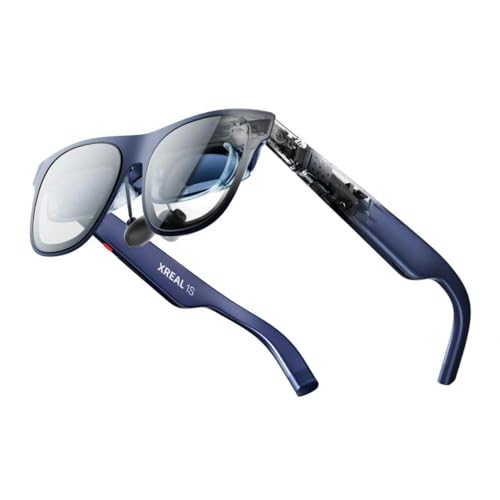
The Xreal 1S keeps the same lightweight, sunglasses-style design the brand is known for. The form factor remains compact and travel-friendly, aimed at users who want a wearable screen that connects to phones, laptops, or consoles via USB-C.
Xreal has updated the display where it counts. The resolution increases to 1200p Full HD, brightness reaches 700 nits, and the field of view expands slightly to 52 degrees. The shift to a 16:10 aspect ratio stands out as a practical move, especially for productivity tasks like document editing, browsing and split-screen work.
A reinforced USB-C port improves durability, and a redesigned travel case reflects Xreal’s focus on everyday portability. The refresh rate stays at 120Hz, maintaining smooth motion for gaming and video playback.
Real-time 3D comes built in
The headline feature is Real 3D, which allows the Xreal 1S to convert standard 2D video into 3D directly on the device. Powered by Xreal’s X1 spatial computing chip, the feature works across common video sources and gaming setups without requiring additional apps or special video formats.
Once enabled, the conversion applies to regular streaming content, locally stored videos and compatible consoles. Users can toggle the feature on or off, treating 3D as an enhancement rather than a default viewing mode. Xreal also confirmed that Real 3D will arrive on the Xreal One Pro via a software update.
A clear focus on private screens
Xreal continues to frame its AR glasses as personal displays rather than multifunction wearables. The 1S supports the company’s optional detachable Eye camera for first-person photos and video, but the core experience centers on private viewing and screen extension.
This approach places the Xreal 1S firmly in the category of wearable monitors. It’s designed for watching content on the go, extending a laptop workspace, or gaming on a larger virtual screen without carrying a full headset.
Xreal at CES 2026: live updates
A price drop that broadens the audience
The reduced price may be the most strategic part of the launch. By lowering the cost while improving core specs, Xreal is making AR glasses easier to approach for first-time buyers who are curious about wearable displays but hesitant to invest heavily.
For users already familiar with Xreal’s ecosystem, the 1S represents a refinement of the company’s formula. For newcomers, it offers a clearer entry point into AR viewing without added complexity.