Disturbing study finds using AI is turning humans into robots
Do bots become more like us, or do we start to resemble them?
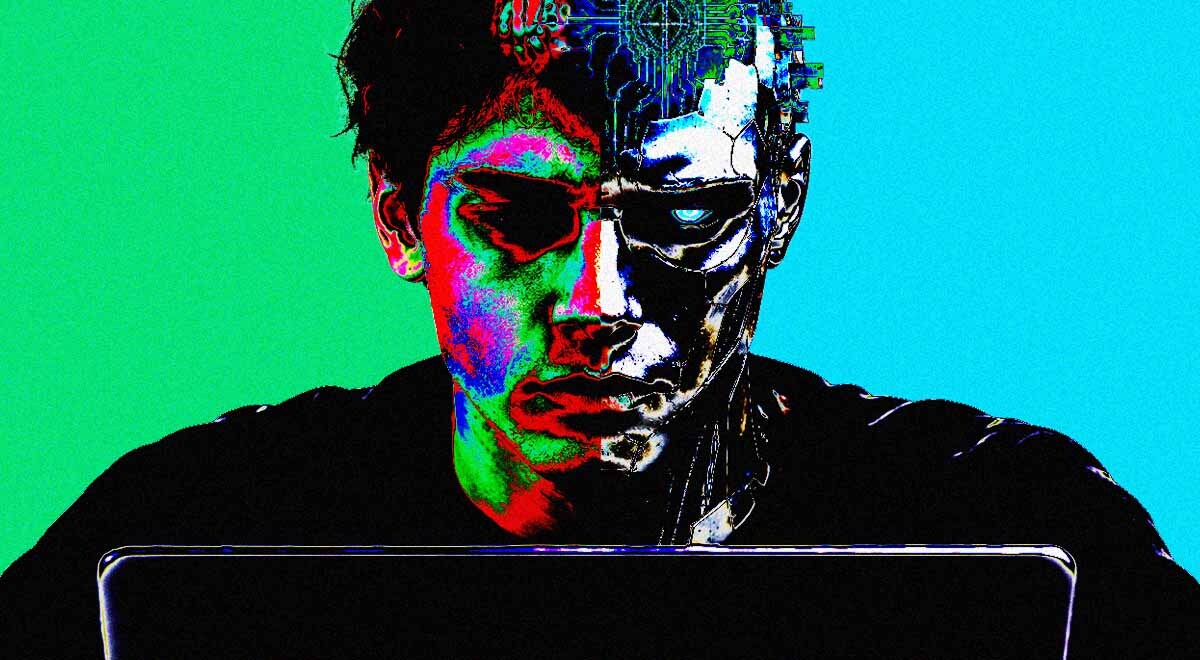
Study finds using AI is turning humans into robots. By Cybernews.

 Follow us
- Researchers say repeated AI chatbot use can influence how people communicate and see themselves.
- Customer service bots may encourage users to mirror machine-like pacing, logic, and confidence.
- The study calls this trend “robotoid humanness,” where humans adapt to machine-friendly behavior.
- Researchers warn that repeated mirroring may affect identity, self-worth, and confirmation bias.
Key Takeaways by nexos.ai, reviewed by Cybernews staff.
The point of training large language models on vast amounts of human-made content is to make them behave more like us, humans. But a new study shows that the chatbots could actually be pushing us to be more like them, the machines.
A new paper in the journal AI & Society says that the more we use AI tools such as ChatGPT or Claude, the more influence these chatbots have on our behavior.
The trend is especially visible if we interact with AI in customer service settings, which we do since customer service is being outsourced to machines at a record pace.
In other words, the paradox is that interacting with robots displaying human-like behaviors, such as adaptive learning or empathetic engagement, can cause people to adopt robot-like traits.






As generative systems and socially responsive service agents enter everyday consumption, human-AI interaction increasingly resembles a quasi-social encounter rather than a utilitarian interface,writes an international team of researchers.
The giveaway seemingly is the ungrounded confidence so often felt in chatbot responses.
The researchers are calling the emerging phenomenon “robotoid humanness.” It references the “emergent drift in which consumers come to experience themselves as most fluent, correct, or socially viable when they become compatible with machine legibility, machine pacing, and machine logic.”
According to University of Birmingham marketing researcher Inci Toral-Manson, co-author of the study, it’s a “bi-directional influence, where robots become more like people, and people become more like robots.”
The reason why this happens is quite simple. After all, people in interactions use social cues from those they interact with, often subconsciously imitating others’ behaviors or expressions, also known as mirroring.
Has your password leaked?
“The consumer acts, the robot responds, and with repeated exposure, in time the consumer internalizes the exchange,” says Dr. Selcen Ozturkcan, Associate Professor of Business Administration at Linnaeus University, another co-author of the study.
“For people, the innate instinct to mirror can lead to people returning the robot’s communicative behaviors, making them more robot-like.”
The conversation on this topic is live. Join in the discussion.
This sort of mirroring can cause ethical concerns as “persistent mimicry can lead to a mimicking/mirroring feedback loop, where consumer identity is shaped.”
Besides, repeated exposure to algorithmically driven feedback can lead to confirmation bias and alter an individual’s self-perception or sense of self-worth, depending on factors such as technological readiness, cultural background, and personality traits.
