Altman, Trump, and Cook will dine with Xi. Will AI wars end?
Will they discuss the US-China beef over AI?
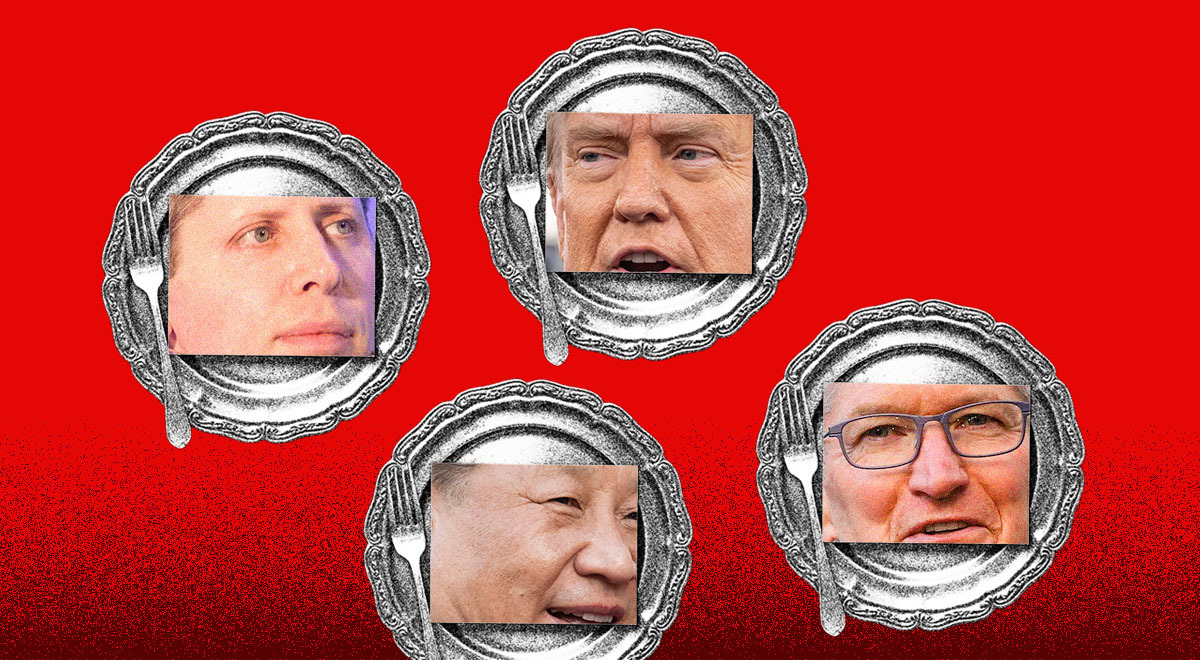
Illustration by Cybernews

 Follow us
- Tim Cook, Sam Altman, and Jensen Huang are expected at a Trump-Xi White House dinner.
- US and Chinese officials plan to discuss trade, economic issues, and shared risks from artificial intelligence.
- The meeting comes as AI researchers warn that powerful systems may advance faster than safety oversight.
- China has rejected some AI regulation debates as fearmongering and a way to limit its AI industry.
Key Takeaways by nexos.ai, reviewed by Cybernews staff.
Two of the technology industry’s most powerful figures will participate in a closely watched US-China meeting.
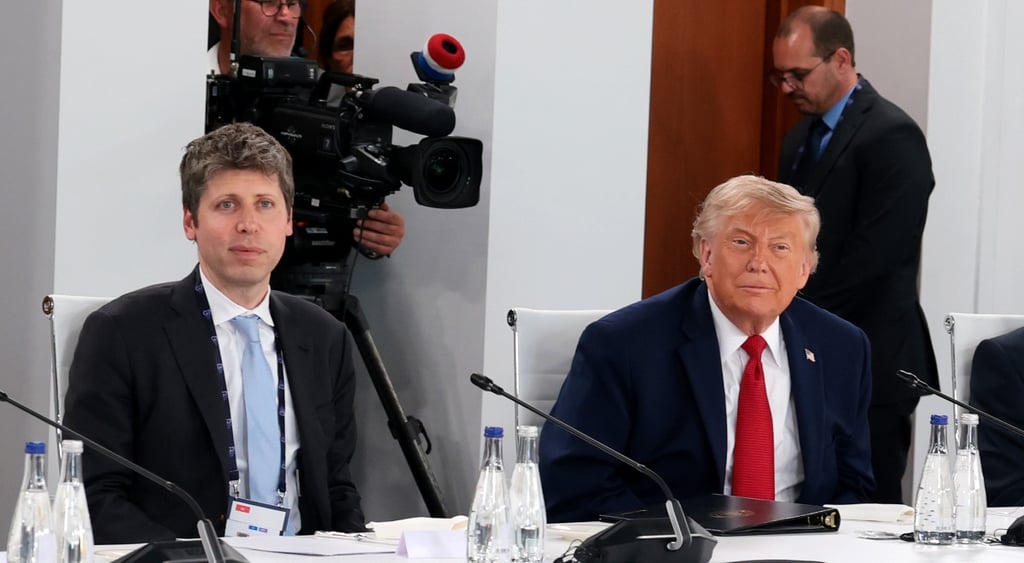
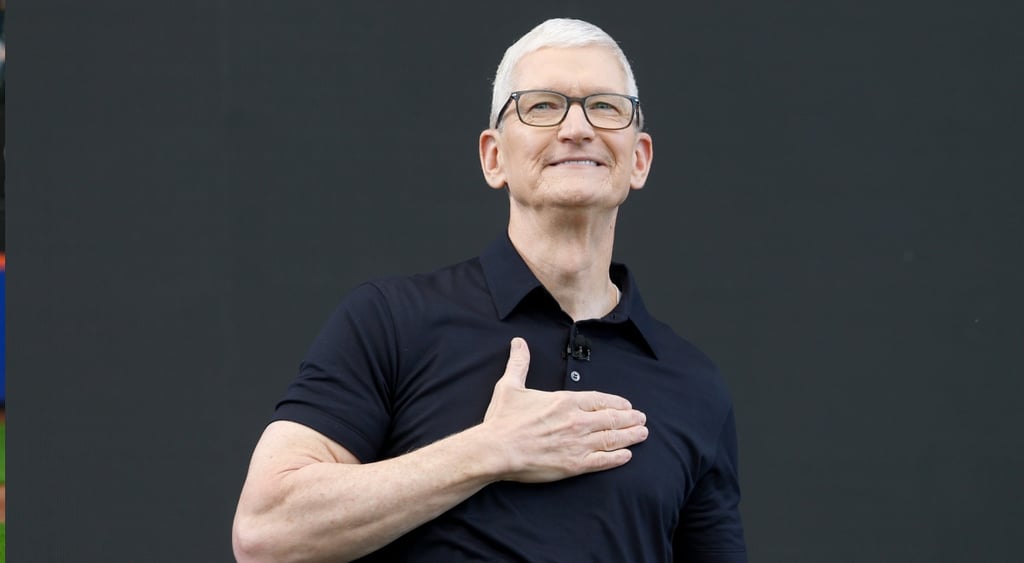
Apple executive chairman Tim Cook and OpenAI CEO Sam Altman are expected to sit down with US President Donald Trump and Chinese President Xi Jinping at a White House state dinner next week. Nvidia’s CEO Jensen Huang is also expected to attend.
Trump and Xi are expected to meet in Washington on September 24th, with the dinner being part of Xi's visit to the US.
The meeting comes amid continued disputes over technology and trade between Washington and Beijing, while both sides are also discussing areas where cooperation could be possible.






US Treasury Secretary Scott Bessent is scheduled to meet Chinese Vice Premier He Lifeng. The discussions are expected to include economic and trade issues as well as the shared risks surrounding AI.
According to media reports, Cook is expected to attend the dinner, as informed by a person familiar with the matter. OpenAI has confirmed that Altman will be there too.



Stay updated with our latest stories and follow us on social media
Be the first to discover new stories, ideas, and updates from our team.
The US and China’s Cold War over dominance in AI
The meeting is held as general pushback grows in the AI industry. Anthropic researcher Jacob Coxon recently resigned, saying leading AI companies were "gambling with our lives" as they race toward increasingly autonomous and potentially self-improving systems.
Hours after Coxon announced his resignation, another Anthropic researcher, Evan Hubinger, wrote on X that people in the company “do earnestly believe AI could kill all humans” within the next decade, giving the scenario over a 10% chance.
“I believe Anthropic is trying its best, but we do not yet have a plan to solve alignment for superintelligence and are not clearly on track to,” he wrote.
In July, even China president Xi Jinping warned that AI should “always remain under human control.”
Anthropic CEO Dario Amodei recently called for companies to slow the pace at which frontier AI capabilities advance, arguing that safety research and oversight need time to catch up.
However, Chinese authorities have dismissed discussions about regulations. China named them “fearmongering” and an excuse for the US to limit Beijing’s AI industry.
Have thoughts about this topic? Others do, too. Join them in the discussion.
“Fearmongering, confrontation, and vicious competition will only disrupt the process of global AI governance, which serves no one’s interest,” spokesperson Guo Jiakun said.
Earlier, Amodei wrote that the US should remain at the top of the AI race, as a Chinese lead may “pose grave danger for the US and the world.”
Previously, the US has accused Chinese companies of copying American AI models.