California climbers relying on AI advice rescued “exhausted, hungry, and thirsty”
Outsourcing thinking has consequences.
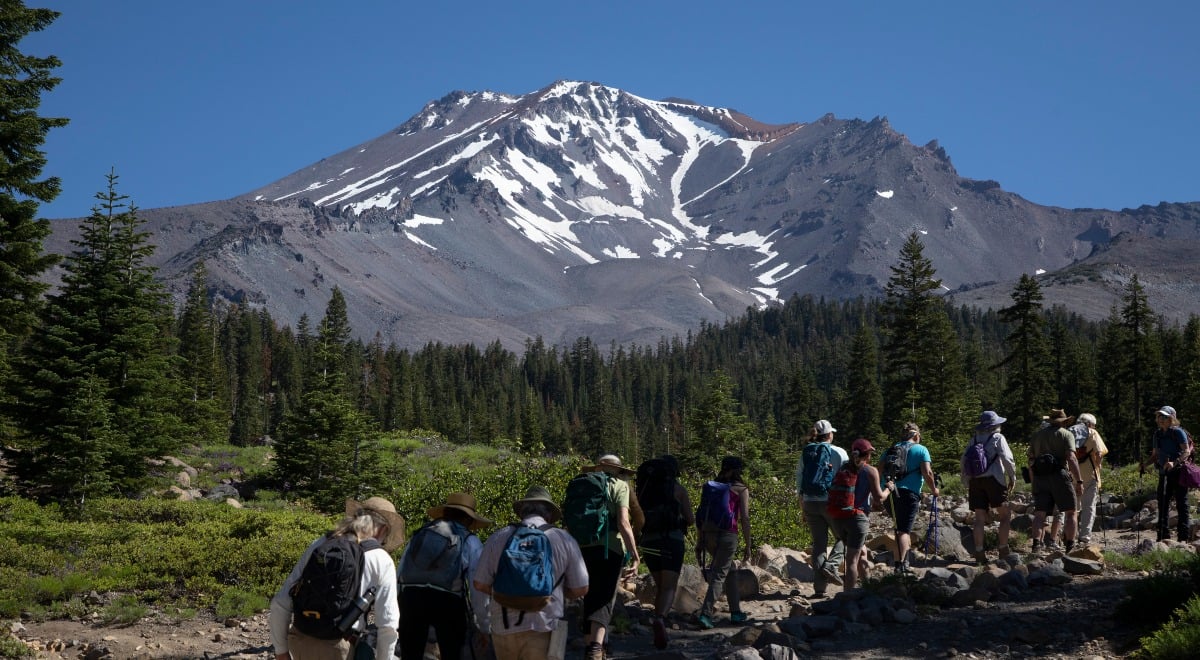
Image by Myung J. Chun/Los Angeles Times via Getty Images

 Follow us
- Three novice climbers ran short of food and water after relying on AI to plan their Mount Shasta supplies.
- They packed for an 8-hour climb, but the trip lasted more than two days.
- Rangers found the group exhausted, hungry, and thirsty after one climber injured a knee during descent.
- The Forest Service says climbers should use official guidance, not only AI, videos, or trail apps.
Key Takeaways by nexos.ai, reviewed by Cybernews staff.
Three novice climbers were rescued from Mount Shasta, California, after following AI advice left their water and food supplies running dry.
The group relied on an unnamed AI platform to determine what types of food to bring and how much food and water they would need for the trip.
As a result, they had enough supplies for an 8-hour climb, although the total journey, including ascent and descent from the mountain, took more than 2 days, according to the Shasta-Trinity National Forest Facebook page.






The climbers said AI recommended simple carbohydrates rather than fats, because they “take too long to digest.”
“We relied too much on AI rather than our own critical thinking,” the climbers told the rescuers.
In addition to AI, the group used YouTube videos and the AllTrails app to plan their climb rather than the official website.




Stay updated with our latest stories and follow us on social media
Be the first to discover new stories, ideas, and updates from our team.
“Exhausted, hungry, and thirsty”
The climbers set off from the Clear Creek Trailhead to climb Mount Shasta on August 29th, 2026.
They spent a night at the head springs of Clear Creek late, where they established a base camp in a prohibited site due to its close proximity to water.
The next day, the group continued their hike, carrying enough food and water for an 8-hour climb only.
Reaching 12,800 feet (3,901 meters), they spoke to 2 other climbing groups. One of them advised the climbers to turn around, while another encouraged them to continue attempting to reach the summit.
The conversation on this topic is live. Join in the discussion.
Despite not feeling well, the climbers decided to proceed and reached the summit of Mount Shasta at 7 p.m.
One of the climbers used the AllTrails app, but their phone battery died, and a backup battery charger didn’t work on their phone.
On their descent, they had to spend the unexpected night near 11,000 feet in a remote location in Mud Creek Canyon, lacking adequate food, water, warm layers, or an emergency bivy.
In addition, one of the climbers fell while descending and sustained a left knee injury, prompting a call to the rescuers.
Forest Service Climbing Rangers reached the group, which was “exhausted, hungry, and thirsty,” at 9:30 a.m. on August 31st.
AI is powering climbing mishaps
As the use of generative AI increases, so do cases of climbers receiving misleading advice. In high altitudes, such mistakes can have grave consequences.
A couple of hikers were rescued from the Polish Tatra Mountains in July 2026 after they consulted with ChatGPT on how to cut a corner to the Five Lakes Valley.
Last year, 2 hikers in Canada who also used ChatGPT to plan a route while ignoring weather conditions and being ill-equipped for snowy trails, got stranded on Unnecessary Mountain in British Columbia.