China has begun issuing ID cards to AI-generated humans
AI influencers can now have digital wallets.
Screenshot from The News Lens via Cybernews

 Follow us
- China is urging digital human companies to register AI personas for official identity cards.
- The IDs can let AI humans open digital currency wallets and form commercial partnerships.
- Virtual idol Yuri became China’s first AI person with a government-issued ID card.
- Regulators are also targeting misleading AI personas and chatbot services that could harm users.
Key Takeaways by nexos.ai, reviewed by Cybernews staff.
From online streaming and micro-dramas to state propaganda, AI-generated humans are increasingly appearing on screens in China. Now, the government wants them to have their own official IDs.
The Chinese government issued a new practice guide earlier this year for broadcasting and online video services, urging companies – at least 1.3 million firms in the digital human sector – to register their AI humans, ABC News Australia reports.
The identity allows AI humans to open a digital currency wallet and form commercial partnerships as part of a pilot program.
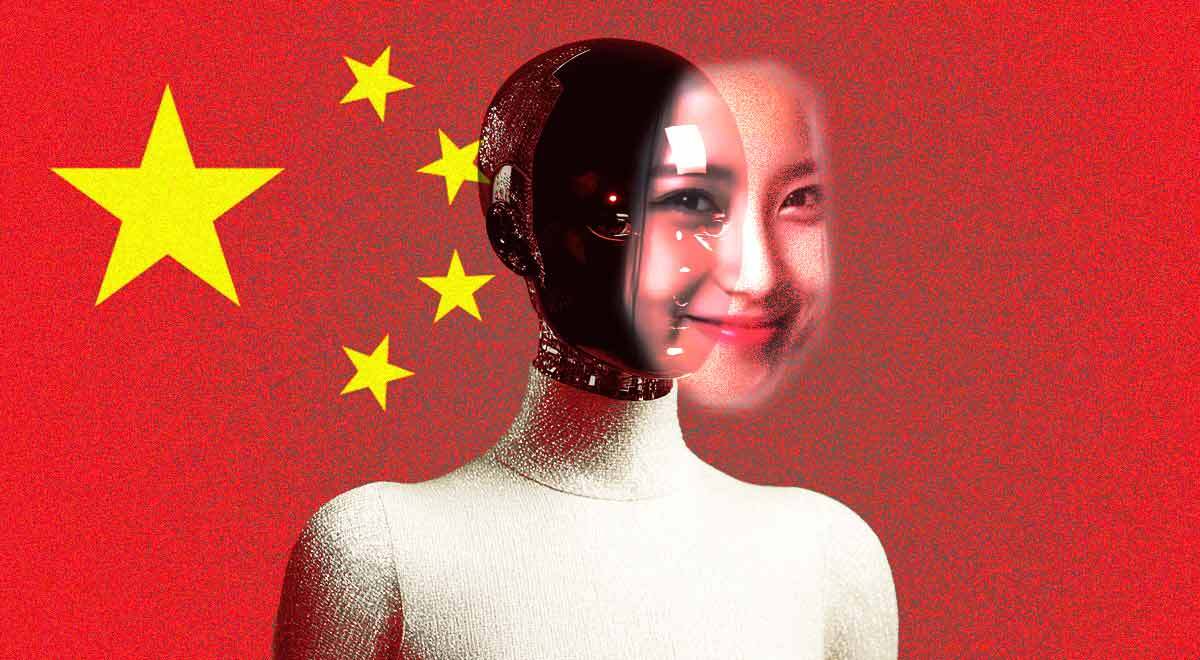
Yuri, a virtual idol and one of the most famous Chinese influencers, has become the first AI person to receive a government-issued ID card.






The document, which states its name, birthday, address, and facial features, also made Yuri the first licensed AI artist in the country.
While digital avatars were first used to mask the identities of people who wanted to express their opinions anonymously online, they soon expanded into entertainment and gaming, thanks to increased access to generative AI tools.
In 2025, the digital humans market in China was estimated at 48 billion yuan ($10 billion) and is rapidly growing.
For instance, AI-generated actress Fang Taozi, starring in the The Laid-off Girl drama, accumulated nearly 400,000 followers on social media within the first 2 months.
Its account shares AI-generated videos showing Taozi’s daily activities, such as cooking or exercising, which experts say make people relate to the AI persona.
Virtual influencers are not the only digital creatures attracting massive attention in China. AI pet micro-dramas, featuring animals in human-like situations, garner millions of views and earn their creators thousands of dollars.
Digital personas as a propaganda tool
The Chinese government, too, is an avid user of digital personas, employing them to deliver ideological education to Chinese Communist Party (CCP) members or respond to the public’s inquiries.
Despite an explosion in popularity, AI humans are coming under intense scrutiny, according to ABC News Australia. Digital personas posing as doctors have reportedly promoted misleading medical advice.
Americans, meanwhile, appear to be more wary of virtual influencers. A survey by YouGov/Meltwater found that only 28% consider AI acceptable in influencer marketing content, with a higher acceptance rate (53%) for AI in entertainment.
While embracing digital influencers, the Chinese government attempted to tackle AI companions – chatbots simulating relationships with humans.
China’s Cyberspace Administration (CAC) announced new rules in April 2026 to regulate human-like AI services. The agency instructed service providers to avoid “excessive dependence risks” and protect users’ mental health.
More specifically, the CAC prohibited companies from providing services that are designed to “replace social interaction, control user psychology, or induce addiction.”
Synthetic companions and influencers, however, are here to stay, as Yuri’s AI-generated lyrics go, “Lines blurred in this world, so surreal.”