Text watermark removers surge after AI labeling law comes into effect in the EU
“Authorship is a spectrum, not a binary.”
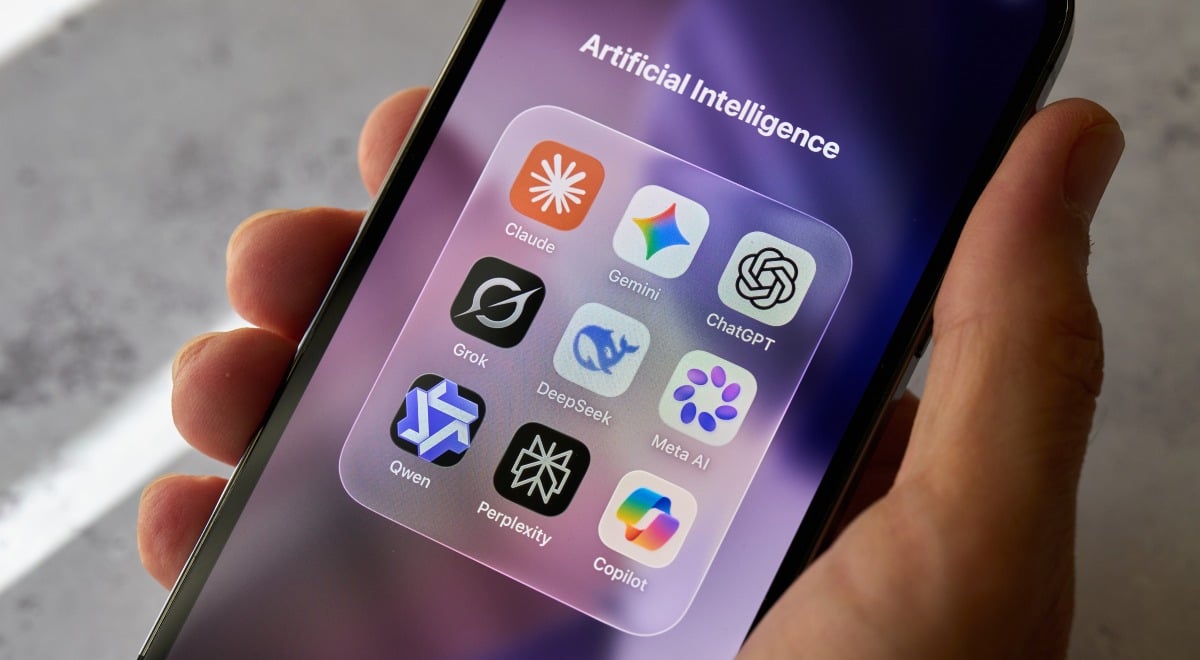
Image by Matteo Della Torre/NurPhoto via Getty Images

 Follow us
- Text watermark removers surged after the EU AI Act required clear labels for AI-generated content.
- Anthropic introduced invisible Claude text watermarks in the EU, with plans to expand the feature globally.
- A GitHub remover gained 13,000 stars, reflecting user resistance to disclosing AI use in writing.
- Critics warn watermarking can create false accusations, while experts say AI rules must adapt quickly.
Key Takeaways by nexos.ai, reviewed by Cybernews staff.
The creator of the text watermark remover says the technique used by Anthropic is “technically, legally, and ethically” wrong.
The EU AI Act, requiring AI-generated content to be clearly marked and labeled, came into effect on August 1st, 2026.
Days later, Anthropic, the leading US AI lab, introduced invisible text watermarks to flag the use of its chatbot and agent, Claude. While currently available only in the EU, watermarking will eventually be rolled out globally.
However, some are resisting disclosure of their use of AI.


A watermark remover has already gained 13,000 stars on GitHub, putting it among the top open-source projects on the platform, only 2 weeks after the landmark legislation came into force.
Creators say the watermark remover can “strip multi-vendor AI provenance marks from text and files” for privacy and hygiene reasons on user-owned content.




Stay updated with our latest stories and follow us on social media
Be the first to discover new stories, ideas, and updates from our team.
According to its GitHub page, the remover is compatible with Claude, Gemini/SynthID-Text ecosystems, OpenAI provenance surfaces, and open-LLM Kirchenbauer-style marks. The tool needs to be installed to run locally.
The remover was created by Guillaume Meyer, a Los Angeles-based entrepreneur, who explained his opposition to watermarks by calling the mechanism “wrong, technically, legally, ethically.”
Meyer argued that watermarking only reveals whether a machine was involved, rather than confirming that Claude is the original author.
“Authorship is a spectrum, not a binary,” he wrote on social media platform X.
Meyer also warned of the risks of false-positive flagging, such as a student accused of cheating or a writer accused of faking an article.
Luiza Jarovsky, the CEO of the AI, Tech & Privacy Academy, says the rise of watermark removers illustrates the challenges of regulating AI.
“AI rules should be future-proof by default and adapt rapidly, or they will be made obsolete months or weeks after enactment,” Jarovsky wrote on X.
How does AI watermarking work?
Amid growing confusion, Anthropic explained how its text watermarking method works in a blog post published on August 14th.
The company says that nothing is added to the text and that there are no hidden characters.
Instead, when the LLM selects the next word during text generation, it makes low-stakes choices that recur throughout the generated content. This leaves a pattern in Claude’s response, which is a watermark, according to the company.
Anthropic says the watermark is undetectable to the reader but detectable to anyone with a key that deciphers it.
With generative AI increasingly used in the writing process by students, workers, and professional authors, the introduction of watermarking was met with a strong backlash.
Some social media users called it “unethical” and “disgusting,” while others warned of “the stigma” when a résumé is flagged as AI-generated.
Unsurprisingly, multiple tools are popping up online, promising to remove invisible watermarks. For example, a website called Claude Watermark Remover rewrites Anthropic chatbot’s output to provide a “clean” version.
If this watermark removal saga sounds all too familiar, that’s because it is.
After OpenAI released its AI video generator, Sora 2, which produces highly realistic video content, watermark removers surged in demand within days.