EY sets aside $100M for employees for demonstrating human skills
The firm pays extra to get what they already pay for.
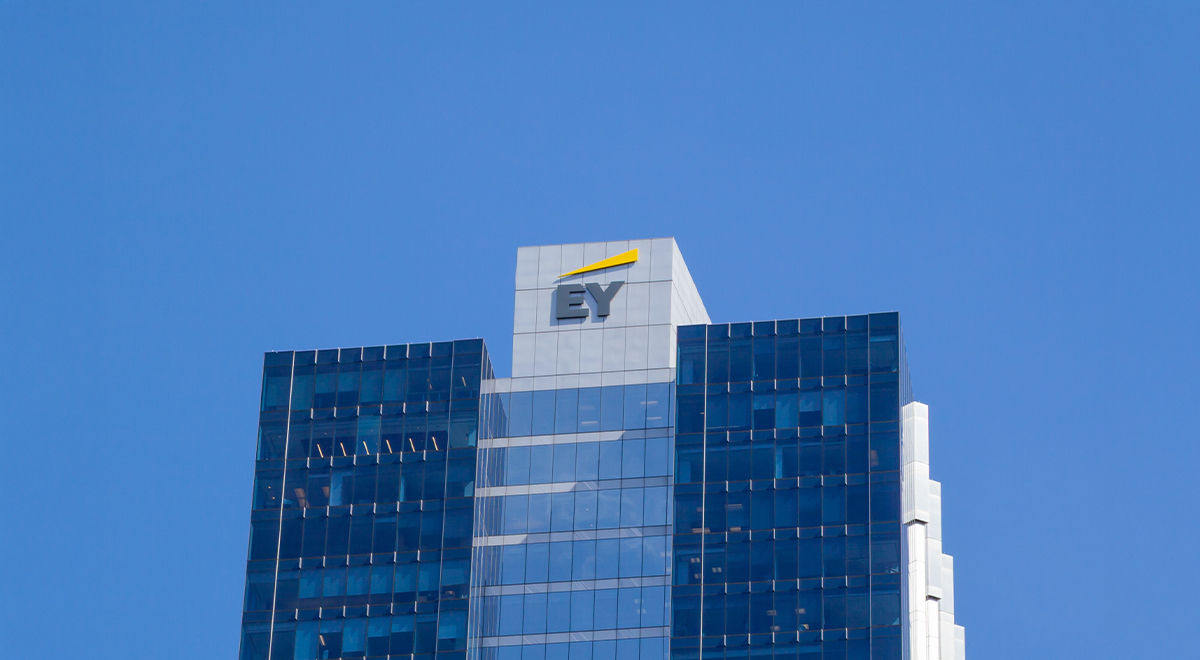
EY (Ernst & Young) office. Image by JHVEPhoto via Shutterstock.

 Follow us
- EY’s US division has set aside $100 million for bonuses tied to human skills.
- Employees and teams can earn rewards for innovation, adaptability, and sound judgment while also experimenting with AI.
- The program follows growing concern over workplace reliance on AI.
- Companies are trying to reduce low-quality AI content as it spreads across offices and social platforms.
Key Takeaways by nexos.ai, reviewed by Cybernews staff.
EY (formerly Ernst & Young) is dedicating $100 million in employee bonuses to those who can balance working with AI while still using their own brains.
The US division of EY is setting aside $100 million, which will be divided among teams and employees who show adaptability, innovation, and good judgment while also experimenting with AI.
Individual employees can earn up to $500 from the professional services company, and it will give cash rewards of up to $25,000 to people and teams that make a material difference within the company, according to the Wall Street Journal.
EY has set aside $100 million for this fiscal year. Employees can nominate colleagues at any level, and there’s no limit to how much of the reward an employee can receive.





Single employees and teams can receive between $10,000 and $25,000 for their significant contributions to the company.
The firm has said that this program is another way of attracting talent in a market that is in constant flux, WSJ journalists report.
The firm wants to reward skills and behaviors that will be most sought-after in the future, and these bonuses are meant to encourage critical thinking in professional environments that have become saturated with AI slop.



Stay updated with our latest stories and follow us on social media
Be the first to discover new stories, ideas, and updates from our team.
Too much AI in offices
While employees of major corporations and firms were initially encouraged to use AI at work, its use has become more pervasive and troublesome than many companies had expected.
EY itself came under fire after employees from the AI detector company GPTZero found that 70% of the citations within EY’s cybersecurity report were fabricated or broken.
The EY report was littered with fake citations, attributed to news outlets such as Forbes, McKinsey, Gartner, TechCrunch, and Wired.
As AI use has become ubiquitous, companies across the board have attempted to eradicate AI slop.
LinkedIn recently released an AI slop button that helps users report posts they believe are written using AI.
A study by Pangram found that AI-generated text was rapidly saturating social media, with LinkedIn as the main offender.